Understanding Sciatica:
Causes, Symptoms & Relief
Evidence-based information to help you understand and manage sciatic nerve pain. Learn about common triggers, effective at-home care, and when it's time to see a specialist.
Medical Disclaimer
Explore Sciatica Information
Navigate through our comprehensive resources to better understand your condition and discover pathways to relief.
What Is Sciatica?
Learn the basics of sciatic nerve pain, symptoms, and how it differs from general back pain.
Read BasicsCommon Causes
Discover what triggers sciatica, from herniated discs to spinal stenosis and lifestyle factors.
Explore CausesAt-Home Relief
Safe stretches, exercises, and home remedies to manage pain and improve mobility.
Find ReliefTreatment Options
Medical interventions, physical therapy, medications, and when surgery might be considered.
View TreatmentsFeatured Articles
Essential reading for understanding and managing sciatica.
Sciatica isn't a medical diagnosis in itself—it's a symptom of an underlying medical condition. Learn what it really means and how it affects the body.
Not all lower back pain is sciatica. Discover the distinct signs and symptoms that differentiate sciatic nerve pain from muscular back strain.
A herniated disc is the leading cause of sciatica. Understand how disc herniation occurs and how it compresses the sciatic nerve.
When sciatica strikes, should you reach for the heating pad or the ice pack? Learn the correct application of temperature therapy for nerve pain.
While resting might feel best, gentle movement is often key to recovery. Explore safe, effective stretches for sciatic nerve glide.
How targeted physical therapy and guided exercise programs can relieve sciatic nerve compression and prevent future flare-ups.
Top Sciatica Guides
In-depth resources on the most common sciatica topics.
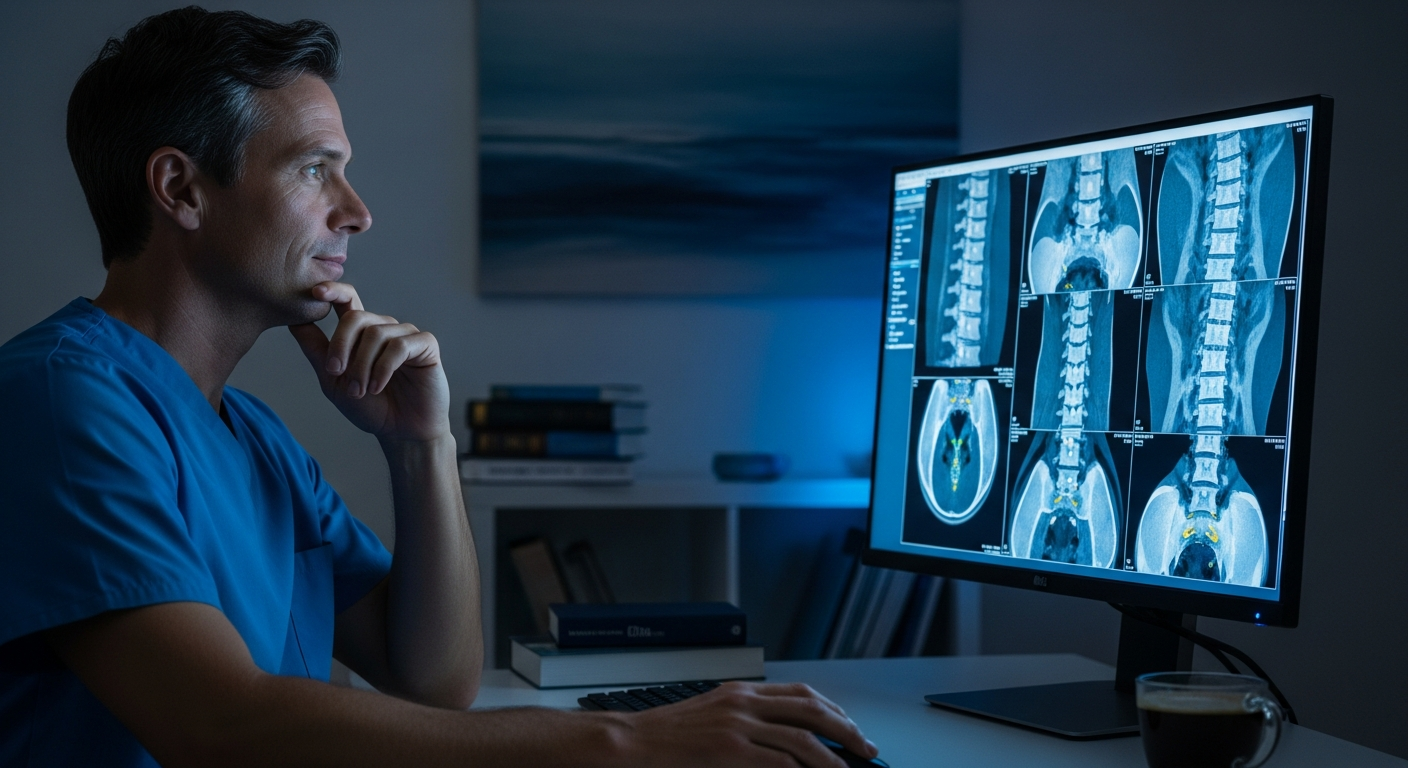
Sciatica Surgery Overview
A detailed look at surgical procedures for sciatica, including microdiscectomy, laminectomy, and spinal fusion.

Pregnancy and Sciatica
Why expectant mothers often experience sciatic pain and safe management strategies during pregnancy.
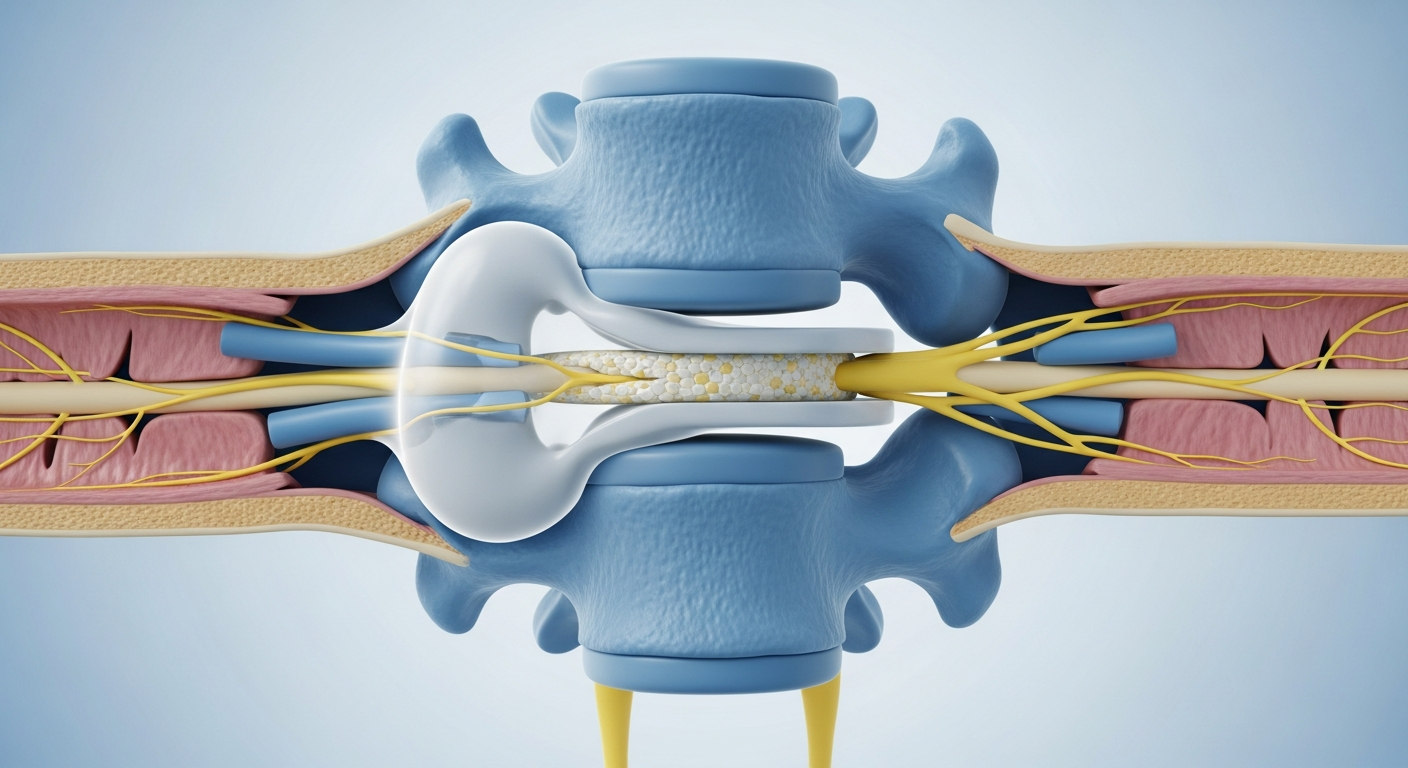
Herniated Discs and Sciatica
A herniated disc is the leading cause of sciatica. Understand how disc herniation compresses the sciatic nerve.
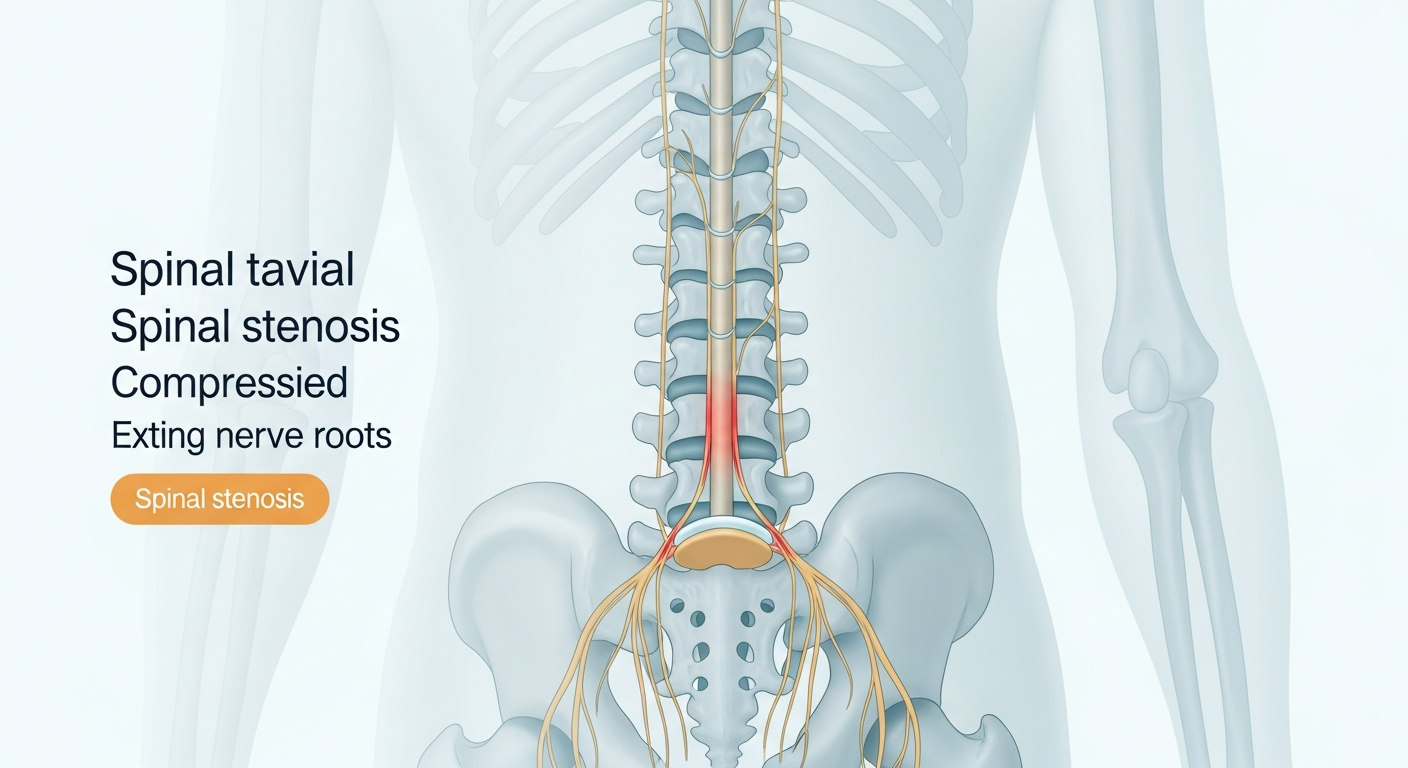
Lumbar Spinal Stenosis
How the narrowing of the spinal canal can compress sciatic nerve roots and cause radiating leg pain.
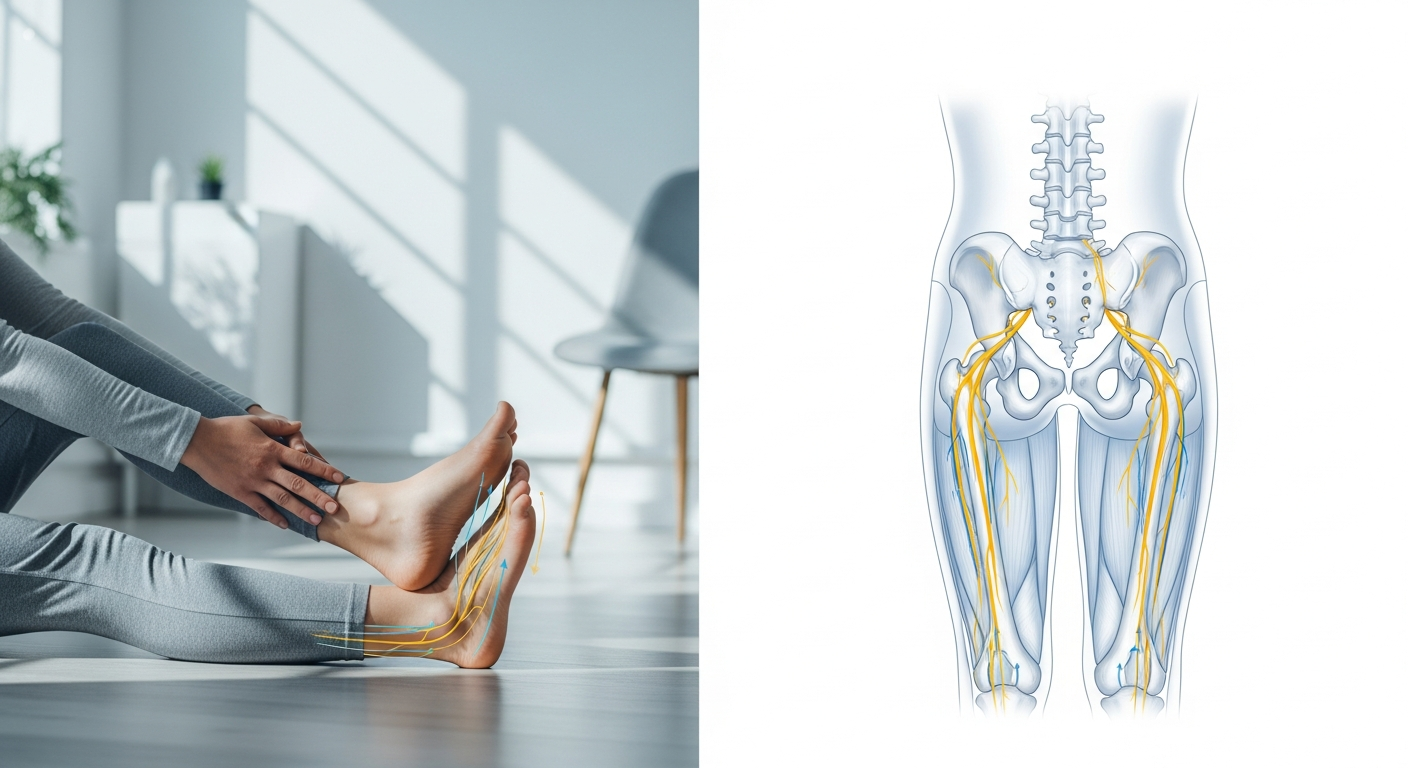
Sciatic Nerve Glide Exercises
Step-by-step guide to nerve gliding exercises that gently mobilize the sciatic nerve and reduce pain.

Physical Therapy for Sciatica
How targeted physical therapy and guided exercise programs can relieve sciatic nerve compression.
Red Flag Symptoms: When to Seek Immediate Care
While most sciatica resolves with time and self-care, certain symptoms require immediate medical evaluation to prevent permanent nerve damage. Do not ignore these warning signs.
- Progressive weakness in your leg or foot
- Loss of bowel or bladder control
- Numbness in your groin or inner thighs
- Sudden, severe pain following an accident