
Sciatica Triggers & Causes
- •Herniated/Bulging Discs
- •Spinal Stenosis
- •Piriformis Syndrome
- •Injury/Trauma

Have you noticed how a small shift in your daily routine can make a significant impact on your overall well-being? Understanding sciatica and its management is crucial for reclaiming control over your life. Here’s what you’ll discover about navigating this challenging condition.
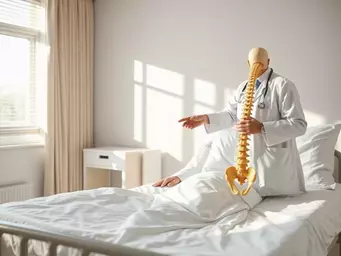
This visual summarizes key aspects of sciatica, including common causes, symptoms, and effective management strategies, highlighting how different approaches contribute to relief.
Living with sciatic nerve pain can be a challenging journey. Understanding the nature of this pain and its effects on daily life is the first step toward finding relief. Have you ever experienced a sharp pain that radiates from your lower back down through your leg? If so, you might be familiar with the term "sciatica," which describes pain related to the sciatic nerve, the longest nerve in the body.
Sciatica often occurs when the sciatic nerve gets compressed or irritated due to conditions like herniated discs, spinal stenosis, or even tight muscles. The more you understand about what’s happening in your body, the better equipped you are to manage your symptoms effectively!

Sciatica is characterized by pain that travels along the path of the sciatic nerve, which branches from your lower back through your hips and down each leg. This pain can result from a variety of underlying issues, including:
Each of these conditions can lead to pressure on the sciatic nerve, causing discomfort that varies in intensity from mild to severe. Understanding these causes can empower you to take proactive steps in your recovery.
Individuals suffering from sciatica often report a range of symptoms, including:
These symptoms can present significant challenges in everyday life, making it difficult to perform simple tasks. It's crucial to recognize that you are not alone in this struggle, and solutions are available to help you manage your pain effectively. For a deeper understanding of sciatica and its impact, you can refer to authoritative medical sources like the Wiley Online Library.
The irritation of the sciatic nerve can disrupt your daily activities, from work to exercise. This discomfort often leads to a cycle of pain and avoidance, where individuals may limit their movements to avoid exacerbating their symptoms. Have you found that certain activities trigger your pain? Identifying these triggers can help you develop a tailored approach to management.
Incorporating gentle movements and stretching can be beneficial in alleviating some discomfort. At Sciatica Solutions, we believe that knowledge is power—by understanding your condition better, you can take charge of your recovery journey! For more insights into how physical activity can help, explore research from recognized institutions like the National Center for Biotechnology Information (NCBI).
What do you think about incorporating yoga into your routine for managing sciatica? Have you experienced any benefits or challenges? Share your thoughts below:
As we’ve discussed, incorporating yoga into your routine can bring substantial benefits for managing sciatic nerve pain. Not only does it promote physical relief, but it also supports your overall well-being. Have you noticed how engaging in gentle movements can shift your mood? Yoga helps cultivate a sense of control, enabling you to take proactive steps toward managing your pain.
When practiced consistently, the benefits of yoga can contribute to decreasing nerve pain and improving the quality of life for individuals struggling with sciatica. It’s truly about finding what resonates best with your body! For more detailed research on the effectiveness of mind-body practices like yoga for pain management, consider sources like JAMA Network.

Every individual’s experience with sciatica is unique, which is why a personalized yoga routine is so essential. Have you thought about your specific pain triggers or limitations? Tailoring your practice to meet your individual needs can significantly enhance your recovery journey.
By listening to your body and adjusting your routine as needed, you empower yourself to foster effective pain management. Remember, it's all about progress, not perfection!
While yoga can be a powerful tool for relief, it’s crucial to know when to seek professional advice. If you experience worsening pain or persistent discomfort, a healthcare professional can provide additional insights and support. Have you considered keeping a log of your symptoms? This can be a great tool to share during your consultation.
Engaging with a professional ensures you’re on the right track and can help avoid any potential setbacks in your recovery.
Combining yoga with physical therapy can enhance your recovery and maximize results. In my experience as a physiotherapist, I’ve seen how these two approaches can work together harmoniously. Have you ever tried discussing your yoga practice with your physiotherapist? They might offer valuable adjustments or complementary exercises!
As you embark on your journey to relief, remember that integrating these practices can create a supportive environment for your healing process!
Here is a quick recap of the important points discussed in the article:
Stress and Sciatica: Finding Relief

Have you ever noticed how stress seems to magnify your pain? It’s a reality many face, especially
Preparing for Sciatica Surgery: Essentials
What if a simple understanding of your condition could lead to a better quality of life? For those g
Aquatic Therapy for Sciatica Recovery

Have you ever experienced the soothing relief of water enveloping you, easing tension and pain? Aqua

Stress and Sciatica: Finding Relief
Preparing for Sciatica Surgery: Essentials
Aquatic Therapy for Sciatica Recovery
Exploring Sciatica Medication Options
Ergonomic Solutions for Sciatica Relief