
Stress & Sciatica: The Connection
Stress triggers muscle tightening & inflammation, increasing pressure on the sciatic nerve.
- Muscle Tightness: Affects lower back.
- Inflammatory Response: Worsens symptoms.
- Nerve Sensitivity: Intensifies pain.
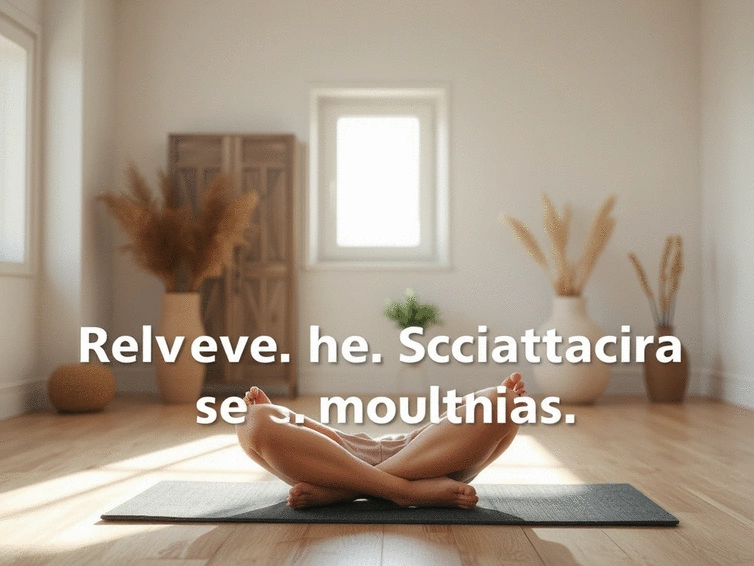
Have you ever noticed how stress seems to magnify your pain? It’s a reality many face, especially those dealing with conditions like sciatica. Understanding this connection can empower you to take control of your health and healing journey.
This visual represents the connection between stress and sciatica, detailing how stress exacerbates symptoms and outlining effective mind-body therapies for relief.
Stress triggers muscle tightening & inflammation, increasing pressure on the sciatic nerve.
*Journaling pain & stressors helps identify patterns.
Combining techniques addresses physical symptoms and enhances emotional resilience, leading to lasting pain management.
*Consistency is key for significant improvement.
Stress is something we all experience, but did you know it can significantly amplify sciatica symptoms? Understanding the connection between stress and pain is crucial for managing your sciatica effectively. As a physiotherapist, I often see how stress can lead to muscle tension and inflammation, which might worsen your pain. Let’s explore how this happens.
When stress strikes, our bodies respond in various ways. One of the major reactions is the tightening of muscles, particularly those around the spine. This tension can place additional pressure on the sciatic nerve, leading to an increase in pain. Learning to manage stress is not just about feeling better mentally; it can also play a significant role in your physical well-being!
It's important to recognize how our body reacts to stress. The physiological mechanisms behind this can be quite complex. Here are a few ways stress contributes to muscle tension and inflammation, as further explained by resources such as NIH's information on Sciatica:
By understanding these connections, you can take proactive steps towards managing your stress and, consequently, your sciatica pain.
Recognizing the signs that your sciatica might be linked to stress is vital for effective management. Here are common symptoms and triggers:

Keeping a journal of your pain levels and stressors can help you identify patterns. This can provide valuable insights when discussing your condition with a healthcare provider!
Chronic stress is a significant factor in ongoing nerve pain, including sciatica. When stress becomes a constant presence in your life, it can lead to persistent muscle tension and inflammation. This ongoing state can aggravate the sciatic nerve over time, leading to a cycle of pain that feels difficult to break.
As someone who has dedicated years to understanding sciatica and its management, I can emphasize the importance of addressing both physical and emotional health. Implementing stress management techniques is not just beneficial; it's essential for those experiencing sciatica symptoms.
Mind-body therapies can play a transformative role in managing both stress and sciatica pain. By integrating techniques like mindfulness and deep breathing, we can work towards holistic relief. In the following sections, we’ll explore several approaches you can incorporate into your routine.
Did you know? Regular practice of mindfulness meditation can help reduce stress and improve your pain tolerance. Consider dedicating just 10 minutes a day to mindfulness techniques; it may lead to significant improvements in your sciatica symptoms over time!
Integrating mind-body therapies into your routine can create a powerful synergy for managing sciatica. When we combine techniques like mindfulness, deep breathing, and gentle movement, we not only address physical symptoms but also enhance our emotional resilience. This holistic approach allows for greater overall well-being and can lead to lasting improvements in pain management.
Research shows that these therapies work together to reduce stress, which is often a significant contributor to sciatica pain. The National Center for Complementary and Integrative Health (NCCIH) provides valuable insights into how these mind-body practices can aid in pain relief. By understanding the cumulative benefits of these methods, you can make informed decisions that support your healing journey.
Each of these techniques complements the others, creating an environment conducive to healing. At Sciatica Solutions, we believe that embracing a blend of therapies can empower you to take control of your recovery.
Your emotional health plays a crucial role in how you experience physical pain. Stress and anxiety can exacerbate sciatica symptoms, making it essential to focus on emotional resilience. Strategies such as journaling, connecting with supportive friends, and practicing mindfulness can significantly improve your emotional well-being. For more information on the mind-body connection in chronic pain, you can refer to resources from institutions like Harvard Health.

As you work towards managing your sciatica, remember that emotional balance is key. Taking care of your mental health not only uplifts your spirits but also paves the way for physical relief. If you find yourself overwhelmed, don’t hesitate to reach out for professional support.
Integrating mind-body practices into your daily routine can be straightforward and rewarding. Here are some practical tips to help you get started:
These small adjustments can make a significant difference in your overall health and well-being. Remember, consistency is key! The more you practice, the more benefits you’ll experience.
Are you ready to take the first step toward integrating mind-body therapies into your life? At Sciatica Solutions, we believe that everyone deserves a chance at a pain-free existence. Start by trying out one of the techniques mentioned above, and gradually expand your practice as you feel more comfortable.
Your journey toward relief from sciatica can start today! Embrace these therapies and discover a new path toward managing stress and pain. Share your experiences with us, and let’s build a supportive community together!
Here is a quick recap of the important points discussed in the article:
Stress and Sciatica: Finding Relief
Have you ever noticed how stress seems to magnify your pain? It’s a reality many face, especially
Preparing for Sciatica Surgery: Essentials
What if a simple understanding of your condition could lead to a better quality of life? For those g
Aquatic Therapy for Sciatica Recovery

Have you ever experienced the soothing relief of water enveloping you, easing tension and pain? Aqua

Stress and Sciatica: Finding Relief
Preparing for Sciatica Surgery: Essentials
Aquatic Therapy for Sciatica Recovery
Exploring Sciatica Medication Options
Ergonomic Solutions for Sciatica Relief