
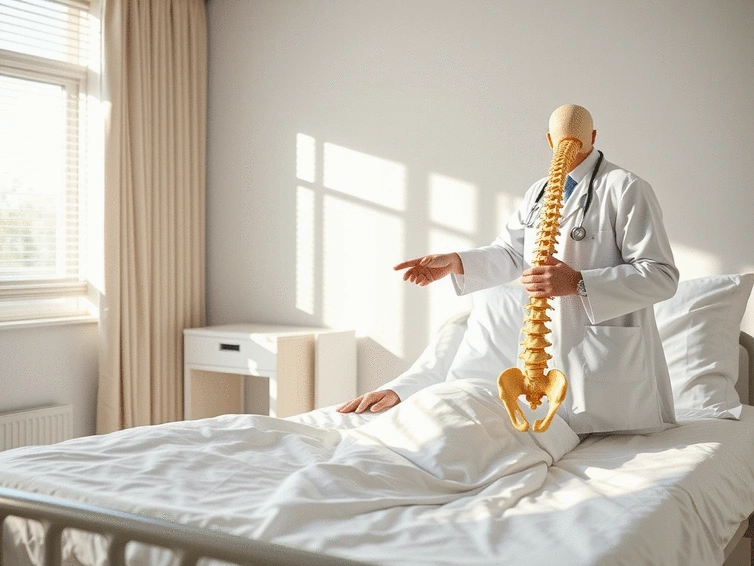
Preparing for Sciatica Surgery: Essentials
What if a simple understanding of your condition could lead to a better quality of life? For those grappling with sciatica, knowing when to consider surgery is essential. Let’s explore the key insights that can guide your recovery journey.
What You Will Learn
- Sciatica is characterized by symptoms such as persistent leg pain, tingling, and weakness, signaling when to seek medical advice.
- Surgical options like microdiscectomy, laminectomy, and spinal fusion offer different solutions based on the underlying cause of sciatica.
- Before opting for surgery, exploring conservative treatment options such as physical therapy and lifestyle modifications can provide relief.
- Understanding the risks associated with sciatica surgery, including infection and nerve damage, is crucial to making informed decisions.
- A well-planned recovery process is vital; it includes adhering to activity restrictions and engaging in physical therapy to ensure optimal healing.
- Emotional support during recovery is equally important—sharing experiences and joining support groups can enhance your healing journey.
Sciatica Surgery: Recovery Timeline and Key Considerations
Understanding the recovery process and potential risks associated with sciatica surgery is crucial for informed decision-making. The visual below outlines typical recovery milestones and important factors to consider.
Typical Recovery Timeline
- 1 Week 1: Rest, ice, basic mobility.
- 2 Weeks 2-3: Light activities, avoid heavy lifting.
- 3 Weeks 4-6: Start physical therapy.
- 4 Weeks 6-12: Gradual return to regular activities.
Key Risk Factors & Complications
- ! Infection
- ! Blood clots
- ! Nerve damage
- ! Persistent pain
Activity Restrictions & Therapy Goals
Avoid:
- • Heavy lifting/strenuous activities
- • Prolonged sitting/standing
- • Twisting motions
Goals:
- • Improve flexibility/mobility
- • Strengthen core/back muscles
- • Develop proper body mechanics
Pain & Emotional Support
Pain Management:
- • Follow medication guidance.
- • Communicate pain levels to provider.
Emotional Support:
- • Share experiences with family/friends.
- • Consider support groups.
- • Practice stress-relief techniques.
Understanding Sciatica Surgery: Key Information for Patients
Understanding your options when it comes to sciatica surgery is crucial for making informed decisions about your health. Sciatica occurs when the sciatic nerve, which runs from your lower back down to your legs, becomes compressed or irritated. This condition can lead to pain, tingling, and weakness in the affected leg. But when should surgery be considered? Let’s dive into what sciatica is and when surgical intervention might be necessary.
What is Sciatica and When is Surgery Necessary?
Overview of Sciatica and its Symptoms
Sciatica is often characterized by a sharp, shooting pain that extends from the lower back through the buttocks and down each leg. Symptoms can include:
- Persistent pain in one leg
- Tingling or numbness in the affected leg
- Weakness in the leg or foot
- Pain that worsens with prolonged sitting or standing
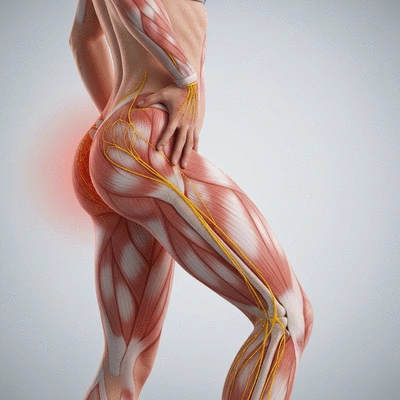
Recognizing these symptoms early can help you manage your condition effectively. Many patients experience relief through conservative treatment options, but in some cases, surgery may become necessary. For additional information on surgical considerations, you can refer to Mass General's Spine Surgery Patient Guide.
Types of Surgical Procedures for Sciatica
When conservative treatments fail to provide relief, your healthcare provider may suggest surgery. Here are some common surgical procedures:
- Microdiscectomy: Removing a portion of the herniated disc to relieve pressure on the nerve.
- Laminectomy: Removing part of the vertebra to create more space for the nerves.
- Spinal fusion: Joining two or more vertebrae together to stabilize the spine.
Each procedure offers different benefits depending on the underlying cause of your sciatica. It’s essential to discuss your options with your healthcare team to determine the best approach for your situation. For more detailed guidance on spinal systems, the FDA provides guidance documents.
Common Surgical Options: Discectomy, Laminectomy, and Spinal Fusion
Let’s take a closer look at these three common surgical options:
- Discectomy: This procedure is aimed at relieving nerve compression caused by herniated discs. It’s minimally invasive and can result in quick recovery.
- Laminectomy: Ideal for patients with spinal stenosis, this procedure helps relieve pressure on the nerves by removing the lamina (the back part of the vertebra).
- Spinal Fusion: Used when there’s instability in the spine, this surgery creates a solid mass by fusing two or more vertebrae together.
Understanding these options is vital as you make decisions about your treatment journey. I always encourage my patients to ask questions and ensure they feel comfortable with their choices.
Evaluating Your Treatment Options
Conservative vs. Surgical Approaches
Before deciding on surgery, consider exploring conservative treatment options. These may include physical therapy, pain management strategies, and lifestyle modifications. Many individuals find relief through these methods without needing surgical intervention.
However, if your symptoms persist or worsen, surgery might be the right choice for you. Weighing the benefits and risks of each approach is crucial, and I recommend discussing this thoroughly with your healthcare provider. For further insights into clinical guidelines for spine care, consult resources like Spine.org's Clinical Guidelines.
Consulting with Your Healthcare Team
Your healthcare team plays a vital role in your recovery journey. They can guide you in evaluating the necessity of surgery and what to expect during the process. I always remind my patients that open communication with their providers can lead to optimal outcomes!
Make sure to share your concerns and ask about the expected recovery process, potential complications, and how surgery fits into your overall treatment plan.
Understanding Risk Factors and Surgical Complications
Like any surgical procedure, there are risks involved. Common risks for sciatica surgery include:
- Infection
- Blood clots
- Nerve damage
- Persistent pain
Being aware of these risks can help you make informed choices about your treatment options. At Sciatica Solutions, we emphasize the importance of understanding all aspects of your care, as this knowledge empowers you to take charge of your recovery.
Pro Tip
Before deciding on surgery, consider keeping a detailed journal of your symptoms and any conservative treatments you’ve tried. This documentation can provide invaluable insights to your healthcare provider, helping them tailor a more effective treatment plan for your unique situation.
Frequently Asked Questions About Sciatica Surgery
- Q: What are the primary symptoms of sciatica?
- A: Sciatica is characterized by persistent pain, tingling, numbness, or weakness typically in one leg, often worsening with prolonged sitting or standing.
- Q: When is surgery generally considered for sciatica?
- A: Surgery is usually considered when conservative treatments (like physical therapy or medication) fail to provide relief, or if symptoms worsen or cause severe neurological deficits.
- Q: What are the main types of surgical procedures for sciatica?
- A: The main surgical procedures include microdiscectomy (removing part of a herniated disc), laminectomy (enlarging the spinal canal), and spinal fusion (joining vertebrae to stabilize the spine).
- Q: What are the typical recovery times after sciatica surgery?
- A: Recovery timelines vary, but generally involve rest and light mobility in week 1, gradual activity increase in weeks 2-3, physical therapy in weeks 4-6, and a gradual return to regular activities from weeks 6-12.
- Q: What are the potential risks and complications associated with sciatica surgery?
- A: Potential risks include infection, blood clots, nerve damage, and persistent pain.
- Q: What should I avoid during recovery from sciatica surgery?
- A: During recovery, it's advised to avoid heavy lifting, strenuous activities, prolonged sitting or standing, and twisting motions that could strain the back. Adhering to activity restrictions is crucial for a smooth recovery.
Planning for a Smooth Recovery After Sciatica Surgery
Recovering from sciatica surgery is a crucial phase in your healing journey. It's a time where you'll want to be informed and prepared to facilitate a smooth recovery. I understand that the thought of surgery can be daunting, but with the right planning, you can set yourself up for success!
Understanding the Recovery Process
The recovery process after sciatica surgery can vary, but having a general idea of what to expect will help alleviate some concerns. Generally, patients can anticipate a recovery timeline that spans several weeks. Initially, you might feel discomfort or tightness, but as days progress, you will start to notice improvements.
- First week: Rest and begin light movements as advised by your healthcare team.
- Weeks 2-3: Gradually increase activity levels, focusing on gentle exercises.
- Weeks 4-6: Begin physical therapy, aiming for range of motion and strength improvement.

It's essential to listen to your body during this period. Every individual's recovery is unique, and patience is key!
Typical Recovery Timeline for Sciatica Surgery
As I mentioned earlier, the recovery timeline will differ from person to person, but here’s a breakdown:
- Week 1: Focus mainly on rest, ice application, and basic mobility.
- Weeks 2-3: Light activities can resume, but avoid heavy lifting.
- Weeks 4-6: Start physical therapy sessions to enhance strength and flexibility.
- Weeks 6-12: Most patients can return to regular activities gradually.
Staying in touch with your healthcare provider during this time is important. They can help tailor your recovery based on your specific needs.
Activity Restrictions and Physical Therapy Goals
During your recovery, it’s vital to follow activity restrictions to avoid setbacks. Typically, you’ll want to refrain from:
- Heavy lifting or strenuous activities
- Prolonged sitting or standing
- Twisting motions that strain the back
Physical therapy plays a crucial role in your recovery. Your goals should include:
- Improving flexibility and mobility
- Strengthening core and back muscles
- Developing proper body mechanics to prevent future issues
Connecting with a physiotherapist who specializes in post-surgical recovery can make all the difference. They can guide you through tailored exercises and ensure you’re progressing safely!
Managing Pain Relief and Emotional Support During Recovery
Managing pain effectively during your recovery is essential. Your healthcare provider will likely prescribe medication to help with this. It's important to follow their guidance on dosages and duration. Additionally, don't hesitate to communicate if you feel the pain is not under control.
Emotional support is equally important during this time. I encourage you to:
- Share your experiences with family and friends
- Consider joining support groups for individuals recovering from similar surgeries
- Practice stress-relief techniques, such as meditation or gentle yoga
Remember, you’re not alone on this journey! Leaning on your support system and taking care of your emotional well-being can enhance your recovery experience.
Recap of Key Points
Here is a quick recap of the important points discussed in the article:
- Sciatica is characterized by pain, tingling, and weakness in the legs due to nerve compression.
- Common surgical options include microdiscectomy, laminectomy, and spinal fusion, each addressing specific underlying causes.
- Before considering surgery, exploring conservative treatment options like physical therapy and pain management is crucial.
- Post-surgery recovery typically spans several weeks, with a gradual increase in activity and physical therapy involvement.
- Managing pain and emotional support during recovery are essential for optimal healing.



Stress and Sciatica: Finding Relief
Preparing for Sciatica Surgery: Essentials
Aquatic Therapy for Sciatica Recovery
Exploring Sciatica Medication Options
Ergonomic Solutions for Sciatica Relief