
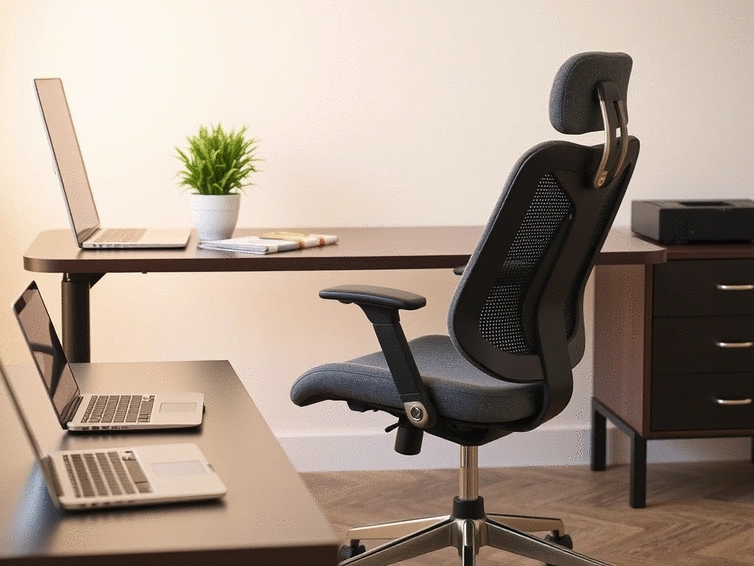
Ergonomic Solutions for Sciatica Relief
As you embark on your journey to understand sciatica, consider this: nearly 40% of people will experience sciatic pain at some point in their lives. This statistic underscores the importance of awareness and effective management strategies for those who face this challenge.
What You Will Learn
- Sciatica is a broad term encompassing various issues related to the sciatic nerve, often exacerbated by prolonged sitting.
- Common causes include herniated discs, spinal stenosis, and muscle inflammation, affecting those with sedentary lifestyles or specific risk factors.
- Prolonged sitting increases pressure on spinal discs and reduces blood flow, which can worsen sciatica symptoms.
- Simple ergonomic adjustments, like investing in a supportive chair and maintaining proper posture, can significantly alleviate discomfort.
- Incorporating regular breaks and stretching into your daily routine is essential for managing pain and promoting recovery.
- Seeking professional help, such as physical therapy or chiropractic care, can provide tailored strategies for effective pain management.
Sciatica Triggers & Ergonomic Solutions
Understanding the common causes of sciatica and practical steps to alleviate its symptoms, especially for those with sedentary habits.
Understanding Sciatica and Its Connection to Prolonged Sitting
Understanding sciatica can feel overwhelming, especially if you find yourself in pain after long hours at your desk. Sciatica refers to pain that travels along the sciatic nerve, which originates from the lower back and extends down through the legs. This condition can affect anyone, but it’s often seen in people who spend significant time sitting, particularly in poor postural positions.
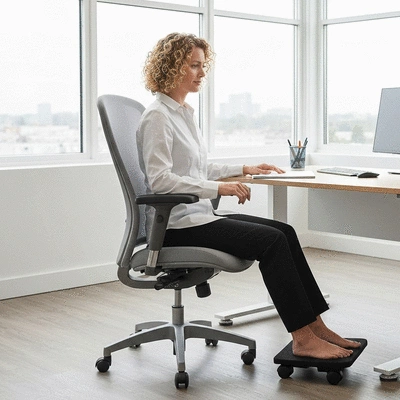
Have you ever experienced that sharp, shooting pain down your leg after hours of desk work? You’re not alone. Many individuals, including those who engage in sedentary occupations, may find themselves grappling with sciatica symptoms. Recognizing the signs, such as tingling, numbness, or weakness in the legs, is crucial for early intervention and effective management.
What is Sciatica and Who Is Affected?
Sciatica is not just one condition; it encompasses a range of issues related to the sciatic nerve. The most common causes include herniated discs, spinal stenosis, and muscle inflammation. For a deeper dive into the mechanisms of sciatica and its impact, you can refer to research on the mechanisms of sciatic neuropathy. While anyone can experience sciatica, certain groups are more prone to it. This includes individuals with sedentary lifestyles, pregnant women, and older adults.
- Individuals who sit for prolonged periods
- People with physically demanding jobs
- Older adults experiencing age-related changes in spine health
It's essential to understand that while sciatica can be painful, effective management strategies are readily available. By learning about the condition, you can take proactive steps towards relief and recovery.
The Impact of Prolonged Sitting on Sciatica Symptoms
Have you ever noticed that your pain tends to worsen after a long day of sitting? Prolonged sitting compresses the discs in your spine and can irritate the sciatic nerve. This irritation exacerbates symptoms, making it crucial to understand the connection. Studies, such as those found on PubMed Central regarding the effect of sitting posture on lumbar disc pressure, highlight how different sitting positions can impact spinal health.
- Increased pressure on spinal discs
- Reduced blood flow to the lower body
- Weakened core and back muscles leading to poor posture
To combat these effects, it's vital to recognize the importance of breaks, stretches, and proper ergonomics. By making small changes to your sitting habits, you can significantly impact your sciatic pain.
The Role of the Sciatic Nerve in Pain Perception
The sciatic nerve plays a crucial role in transmitting signals between your lower back and legs, making it central to the experience of sciatica. When this nerve becomes compressed or irritated, it can lead to sharp pain, tingling, or even numbness in your legs. Understanding how this nerve operates can empower you to make informed choices about your treatment.
Have you ever wondered what happens when the sciatic nerve gets pinched? When this occurs, the body responds with pain signals, often causing discomfort that radiates from the lower back down through the legs. Recognizing these patterns can help in pinpointing effective management strategies.
Pro Tip
To alleviate sciatica symptoms related to prolonged sitting, consider incorporating a simple stretching routine every hour. Stretching your hamstrings, hip flexors, and lower back can help relieve tension and improve blood circulation, reducing the risk of nerve irritation.
Frequently Asked Questions About Sciatica and Prolonged Sitting
Q1: What is sciatica?
A1: Sciatica is a term for pain that radiates along the path of the sciatic nerve, which branches from your lower back through your hips and buttocks and down each leg. It typically affects only one side of your body. It's often caused by a herniated disc, bone spur on the spine, or narrowing of the spine (spinal stenosis) that compresses part of the nerve.
Q2: How does prolonged sitting contribute to sciatica?
A2: Prolonged sitting can worsen sciatica by increasing pressure on the spinal discs and the sciatic nerve itself. It can also lead to reduced blood flow to the lower body and weaken core and back muscles, which are crucial for maintaining good posture and spinal support.
Q3: What are the common symptoms of sciatica?
A3: Common symptoms include pain that radiates from your lower back down your leg, often described as sharp, shooting, or burning. You might also experience tingling, numbness, or weakness in the affected leg or foot.
Q4: What ergonomic adjustments can help alleviate sciatica pain?
A4: Ergonomic adjustments include using a supportive office chair with good lumbar support, maintaining optimal chair height so your feet are flat on the floor or a footrest, and ensuring your monitor is at eye level. Regular breaks to stretch and move around are also crucial.
Q5: When should I seek professional help for sciatica?
A5: You should seek professional help if your pain is severe, progressively worsening, or accompanied by muscle weakness, numbness, or loss of bowel or bladder control. Physical therapists and chiropractors can provide tailored treatment plans.
Conclusion: Taking Action for Your Comfort
As we wrap up, it's essential to reflect on the key ergonomic tips we discussed for relieving sciatica pain. By making simple adjustments to your workspace and posture, you can significantly improve your comfort while working long hours. Remember, sciatica is often exacerbated by poor sitting habits, so taking proactive steps can lead to lasting relief.
Here are the main points to remember:
- Invest in a supportive office chair with lumbar support.
- Maintain optimal chair height to promote good posture.
- Utilize footrests to keep your legs aligned.
- Take regular breaks to stretch and move around.
- Incorporate exercises that strengthen your core and back muscles.
Implementing these strategies is your first step toward managing sciatica effectively. I encourage you to take charge of your comfort today!
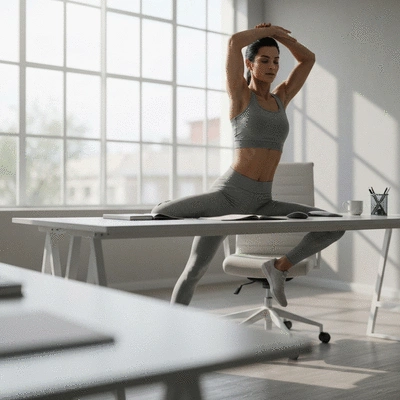
Encouraging Consistent Healthy Habits for Long-Term Pain Management
Establishing a routine that promotes healthy habits is crucial for long-term pain management. At Sciatica Solutions, we believe in empowering patients to take control of their recovery journey. Cultivating good habits, like regular stretching, staying active, and focusing on ergonomics, can make a world of difference. For those interested in clinical trials and emerging treatments, you can explore ongoing studies such as those listed on ClinicalTrials.gov.
Consider keeping a wellness journal to track your progress and identify what works best for you. This not only helps you stay accountable but also reinforces the positive changes you're making. Remember, small consistent actions lead to significant improvements over time!
Additional Resources for Sciatica Sufferers
Where to Find Professional Guidance and Support: Physical Therapy and Chiropractic Care Options
If you're navigating the complexities of sciatica, seeking professional guidance can provide the support you need. Physical therapists and chiropractors are excellent resources for tailored treatment plans. They can help you identify specific exercises that cater to your unique situation while addressing any underlying issues contributing to your pain.
- Research local physiotherapy clinics with experience in treating sciatica.
- Consult with a chiropractor for spinal adjustments and pain relief techniques.
- Look for online resources or telehealth options for additional support.
Don’t hesitate to reach out for help; there’s no need to manage this alone!
Downloadable Checklist for Ergonomic Workspaces: Essential Items for Comfort and Productivity
To enhance your workspace setup, I’ve created a handy downloadable checklist for ergonomic workspaces. This checklist includes all essential items to ensure comfort and productivity:
- Ergonomic office chair
- Adjustable desk
- Footrest
- Monitor riser
- Wrist support for keyboard
Feel free to download this checklist from our website, What Is Sciatica, and use it as a guide to create an environment that supports your health and well-being. Together, we can find effective strategies to reclaim your comfort and enhance your quality of life!
Recap of Key Points
Here is a quick recap of the important points discussed in the article:
- Understand sciatica as pain along the sciatic nerve, often worsened by prolonged sitting.
- Common causes of sciatica include herniated discs, spinal stenosis, and muscle inflammation.
- Prolonged sitting increases spinal disc pressure and reduces blood flow, aggravating sciatica symptoms.
- Incorporate ergonomic adjustments in your workspace to improve posture and comfort.
- Regular breaks and stretches can significantly alleviate sciatica pain and improve overall comfort.
- Consider professional guidance from physiotherapists or chiropractors for tailored treatment plans.


Stress and Sciatica: Finding Relief
Preparing for Sciatica Surgery: Essentials
Aquatic Therapy for Sciatica Recovery
Exploring Sciatica Medication Options
Ergonomic Solutions for Sciatica Relief