
Benefit 1Nerve Compression Relief
Stabilizes the lower back, reducing pressure on the sciatic nerve for immediate discomfort reduction.
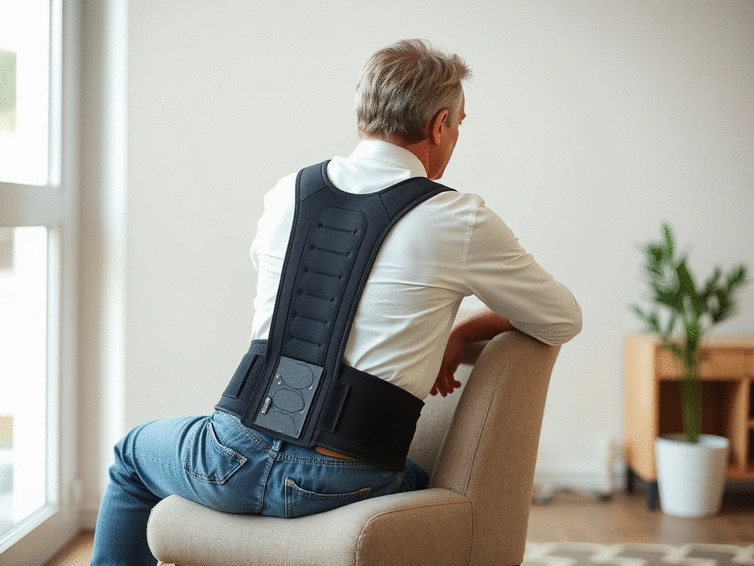
What if the key to alleviating your sciatica pain lies in the stability and support of a back brace? Understanding the science behind these devices can transform your approach to pain management.
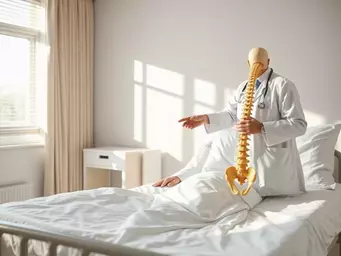
Back braces offer crucial support, compression, and posture correction to relieve sciatica symptoms. The visual below highlights the key benefits and how different types of braces target specific needs.
Stabilizes the lower back, reducing pressure on the sciatic nerve for immediate discomfort reduction.
Gentle compression enhances circulation, while support minimizes muscle fatigue during activity.
Aligns the spine, reducing pain triggers and allowing for more comfortable, enhanced movement.
By alleviating strain, braces help speed up the healing process and reduce pain flare-ups.
Living with sciatica can be a challenge, and finding effective ways to manage pain is essential. One tool that many people find helpful is a back brace. These devices can provide much-needed support and stability to the lower back, helping to alleviate discomfort and enhance daily function. But how exactly do back braces assist in sciatica management? Let's break it down!
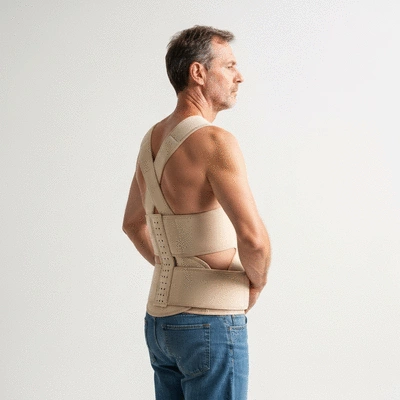
Back braces work by offering compression and support, which can relieve pressure on the sciatic nerve. This is especially beneficial for those experiencing sharp pain or discomfort during everyday activities. By stabilizing the spine and improving posture, back braces can help reduce painful symptoms, allowing individuals to engage more comfortably in their daily lives. For more information on when to consider a back brace, you can refer to Spine-health.com.
Back braces serve multiple purposes when it comes to managing sciatica pain. They not only provide structural support but also encourage better posture and movement patterns. Here are some key ways that back braces can help:
Incorporating a back brace into your routine can be a game changer! However, it’s crucial to combine this support with appropriate exercises and education about your condition. The World Health Organization (WHO) also provides valuable guidelines on chronic low back pain management, which can complement the use of back braces.
When we talk about the physiological effects of wearing a back brace, it's important to understand how these devices interact with your body. A well-fitted brace can help improve blood circulation in the lumbar region, which is vital for healing. Additionally, back braces can:
As a physiotherapist, I often encourage my patients to explore back braces while also participating in guided physical therapy exercises tailored to their needs. Combining these strategies can lead to better outcomes and greater relief! Research published in PMC NCBI further explores the effectiveness of various interventions for low back pain, including the role of supportive devices.
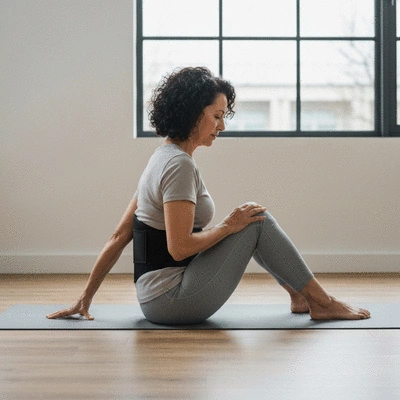
Sciatica symptoms can vary widely from person to person, but common experiences include sharp pain, tingling, and numbness in the lower back and legs. Recognizing how back braces can address these symptoms is crucial. Here are some connections to consider:
Understanding your symptoms and how they relate to the use of back braces is a key step in managing your sciatica. If you’re uncertain about which brace may work best for you, consider reaching out to a healthcare professional for personalized advice!
What has been your experience with using back braces for sciatica management? Share your thoughts below:
When it comes to finding relief from sciatica, the type of back brace you choose can make a significant difference! Understanding the various options available allows you to select the right support for your specific needs. Let’s dive into the different types of back braces and how they can help.
Each type of back brace serves a unique purpose in managing sciatica symptoms. Here’s a quick overview of the most common options:
Choosing the right brace depends on your specific symptoms and the support you need. If you’re unsure, consider consulting with a physiotherapist for personalized recommendations.
Comfort is crucial when selecting a back brace, as a well-fitting brace can encourage consistent use. Here are some features to look for:
These features not only enhance comfort but also contribute to the effectiveness of the brace in managing your sciatica symptoms. Prioritizing comfort can significantly increase your compliance and overall satisfaction.
When it comes to back braces, you have two primary options: over-the-counter (OTC) braces and custom-designed solutions. Let’s explore the differences:
While OTC options can be convenient, if you find yourself struggling with persistent symptoms, investing in a custom back brace might be worthwhile. Don't hesitate to reach out to your physiotherapist for guidance on what’s best for you!
Here is a quick recap of the important points discussed in the article:
Stress and Sciatica: Finding Relief
Have you ever noticed how stress seems to magnify your pain? It’s a reality many face, especially
Preparing for Sciatica Surgery: Essentials
What if a simple understanding of your condition could lead to a better quality of life? For those g
Aquatic Therapy for Sciatica Recovery

Have you ever experienced the soothing relief of water enveloping you, easing tension and pain? Aqua

Stress and Sciatica: Finding Relief
Preparing for Sciatica Surgery: Essentials
Aquatic Therapy for Sciatica Recovery
Exploring Sciatica Medication Options
Ergonomic Solutions for Sciatica Relief