Sciatica Surgery: When Is It Necessary and What Are the Risks?

Sciatica Surgery: Necessity and Risks

Have you ever wondered when it's time to consider surgery for that nagging pain down your leg? Understanding sciatica can be complex, but knowing when surgical intervention is necessary can empower you to take control of your health.

What You Will Learn

  • Recognizing Symptoms: Sharp pain, tingling, and weakness in the legs are key indicators of sciatica that require attention.
  • When to Seek Surgery: Persistent pain and neurological symptoms may necessitate surgical evaluation.
  • Types of Surgical Options: Common procedures include laminectomy, microdiscectomy, and spinal fusion, each tailored to specific conditions.
  • Risks of Surgery: It's crucial to be aware of potential risks such as infections or nerve damage before undergoing any surgical procedure.

Sciatica Surgical Interventions: Key Considerations and Options

Understanding when surgical intervention becomes necessary for sciatica and the different techniques involved is crucial for informed decision-making.

When Surgical Intervention Might Be Necessary

  • Severe, persistent pain
  • Neurological deficits (weakness, numbness)
  • Herniated discs compressing nerves
  • Cauda equina syndrome (urgent)

Consult a healthcare provider for assessment.

Common Surgical Techniques

  • Laminectomy: Removes part of vertebra to relieve pressure.
  • Microdiscectomy: Minimally invasive (removes herniated disc part).
  • Spinal Fusion: Joins vertebrae to stabilize the spine.

Each technique suits specific conditions.

Sciatica Surgery Explained: Understanding the Need for Surgical Intervention

Sciatica can be a perplexing condition that many individuals struggle to understand. At its core, sciatica refers to pain that radiates along the sciatic nerve, which runs from the lower back through the hips and buttocks and down each leg. Have you experienced sharp, shooting pain, tingling, or numbness in your legs? These are common symptoms of sciatica, often arising from issues such as herniated discs or spinal stenosis. Let’s delve deeper into what these symptoms mean and when surgical interventions might become necessary.

Recognizing the signs of sciatica is crucial for early intervention. Typical symptoms include:

  • Sharp pain in the lower back
  • Tingling or numbness in the legs
  • Weakness in the affected leg or foot
  • Pain that worsens with prolonged sitting or standing

If you're experiencing these symptoms, knowing when to seek help is essential. While many can find relief through conservative treatments, some cases may escalate, necessitating surgical options.

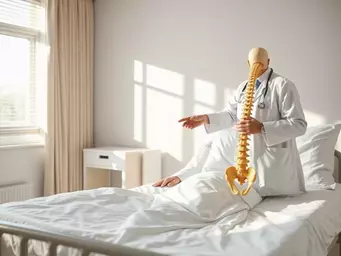
Doctor explaining sciatica diagnosis to a patient using a spinal model

Defining Sciatica and Its Symptoms

As I often remind my patients, understanding sciatica is the first step toward managing it effectively. The discomfort you feel can stem from a variety of sources, with herniated discs being among the most common culprits, pushing against the nerve root. It’s important to communicate openly with your healthcare provider about your symptoms to pinpoint the underlying cause.

Recognizing when surgery might be warranted can be daunting. It's not a decision taken lightly. Often, patients might consider surgery when they face:

  • Severe pain that persists despite conservative treatments
  • Significant impact on daily activities and quality of life
  • Progressive neurological symptoms that worsen over time

Addressing these symptoms promptly with a healthcare professional can help determine whether surgical intervention is necessary.

Understanding Surgical Options for Sciatica

When conservative treatments fall short, surgical options may come into play. Understanding these options is vital for informed decision-making. The most commonly discussed procedures include:

  • Laminectomy: Removing the portion of the vertebra that is pressing on the nerve.
  • Microdiscectomy: A minimally invasive surgery to remove the herniated part of a disc.
  • Spinal fusion: Joining two or more vertebrae together to stabilize the spine.

Each option has its own set of benefits and considerations. As a physiotherapist, my goal is to ensure that patients are equipped with the knowledge they need to navigate these choices effectively. Engaging in discussions about potential outcomes and recovery can empower you in your recovery journey!
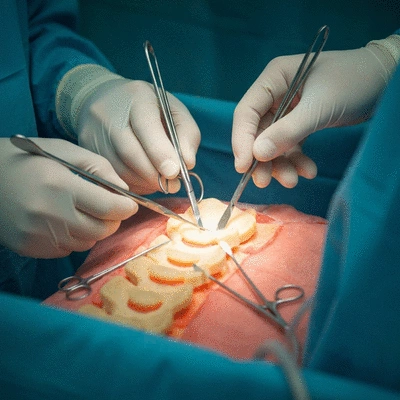
A detailed image of a spinal fusion surgery with surgical tools and a surgeon's hands

Common Surgical Techniques: Laminectomy, Microdiscectomy, and Spinal Fusion

Let’s take a closer look at these common surgical techniques. Understanding each can help demystify the process:

  • Laminectomy: This procedure focuses on relieving pressure on the spinal cord or nerves. It involves removing the lamina, part of the vertebra. Patients often experience immediate relief post-surgery.
  • Microdiscectomy: This is a less invasive approach, often performed on an outpatient basis. The surgeon removes only the herniated portion of the disc affecting the nerve root, which can lead to quicker recovery.
  • Spinal fusion: This technique is recommended when spinal stability is compromised. It involves fusing two or more vertebrae, which can help reduce pain but may limit motion in that area.

Each of these techniques has its own suitability based on individual cases. If you're considering surgery, discussing the best option with your healthcare provider is essential for a personalized approach to your recovery.

Interactive Poll: Your Experience Matters!

Have you or someone you know experienced sciatica? We're curious about your journey! What treatment options have you explored? Share your thoughts below:

Frequently Asked Questions About Sciatica Surgery

Here are some common questions regarding sciatica and surgical interventions:

  • What are the main symptoms of sciatica?
    The main symptoms include sharp pain in the lower back, tingling or numbness in the legs, weakness in the affected leg or foot, and pain that worsens with prolonged sitting or standing.
  • When should I consider surgery for sciatica?
    Surgery may be considered if you experience severe, persistent pain despite conservative treatments, significant impact on daily activities, progressive neurological symptoms, or in urgent cases like cauda equina syndrome.
  • What are the common surgical procedures for sciatica?
    The most common procedures are laminectomy (removing part of the vertebra to relieve pressure), microdiscectomy (a minimally invasive removal of a herniated disc portion), and spinal fusion (joining vertebrae to stabilize the spine).
  • What are the risks associated with sciatica surgery?
    Potential risks include infections, bleeding, and nerve damage. It is crucial to discuss these with your healthcare provider.
  • How can I ensure the best outcome if I undergo sciatica surgery?
    Engage in open dialogue with your healthcare providers, ask questions, clearly communicate your symptoms and concerns, and consider a second opinion to ensure a tailored treatment plan and informed decision-making.

Summarizing the Journey Through Sciatica Surgery

Understanding sciatica surgery is crucial for anyone facing the possibility of surgical intervention. As I guide my patients through their treatment options at Sciatica Solutions, I often emphasize the importance of identifying when surgery becomes necessary. Here are some key takeaways that can help clarify this journey for you.

Key Takeaways on When Surgery is Necessary and Associated Risks

Surgery may be a viable option when conservative treatments fail to alleviate symptoms. It’s important to consider these factors before making a decision:

  • Severe and persistent pain: If you experience debilitating pain that limits your daily activities.
  • Neurological deficits: Symptoms like weakness or numbness in the legs may indicate a need for surgical intervention.
  • Herniated discs: An assessment by a healthcare provider can determine if a herniated disc is compressing nerves.
  • Cauda equina syndrome: This rare but serious condition requires immediate surgical attention to prevent permanent damage.

Additionally, being informed about the risks associated with surgery—such as infections, bleeding, and nerve damage—can help in making an educated decision. Always discuss these risks openly with your healthcare provider to ensure you’re fully aware of what surgery entails.

Encouraging Open Dialogue with Healthcare Providers for Tailored Treatment Plans

At Sciatica Solutions, I encourage my patients to engage in open dialogue with their healthcare providers. Shared decision-making is vital in developing a tailored treatment plan that fits your individual needs. Here are some steps to foster effective communication:

  • Ask questions: Don't hesitate to ask your doctor about the risks and benefits of surgery.
  • Discuss your symptoms: Clearly communicate how your symptoms affect your daily life.
  • Consider your lifestyle: Talk about how surgery may impact your work and personal routines.
  • Seek a second opinion: It's perfectly acceptable to consult another expert for additional insights.

By fostering an environment of trust and understanding, you can work together with your provider to find the best approach for managing your sciatica.

Patient Testimonials: Real Experiences with Sciatica Surgery

Hearing from others who have undergone surgery can provide valuable insights. Here are a few patient testimonials that might resonate with you:

  • “After struggling with pain for months, my surgery was a turning point. I finally feel like myself again!”
  • “I was nervous about the surgery, but my doctor took the time to explain everything. I’m grateful for their support!”
  • “The recovery was tough, but with the right rehabilitation plan, I was back to my normal activities sooner than I expected.”

These testimonials highlight the importance of individualized care and the potential for a successful recovery. If surgery is part of your journey, know that you're not alone, and there are many resources available to support you.

Recap of Key Points

Here is a quick recap of the important points discussed in the article:

  • Recognizing Symptoms: Common symptoms of sciatica include sharp pain in the lower back, tingling or numbness in the legs, and pain that worsens with prolonged sitting or standing.
  • When to Consider Surgery: Surgical intervention may be necessary for severe and persistent pain, significant impact on daily activities, or progressive neurological symptoms.
  • Surgical Options: Key procedures include laminectomy, microdiscectomy, and spinal fusion, each with unique benefits and considerations.
  • Importance of Communication: Engaging in open dialogue with healthcare providers can help tailor treatment plans and ensure informed decision-making.
  • Understanding Risks: Be aware of potential risks associated with surgery, including infections, bleeding, and nerve damage.