
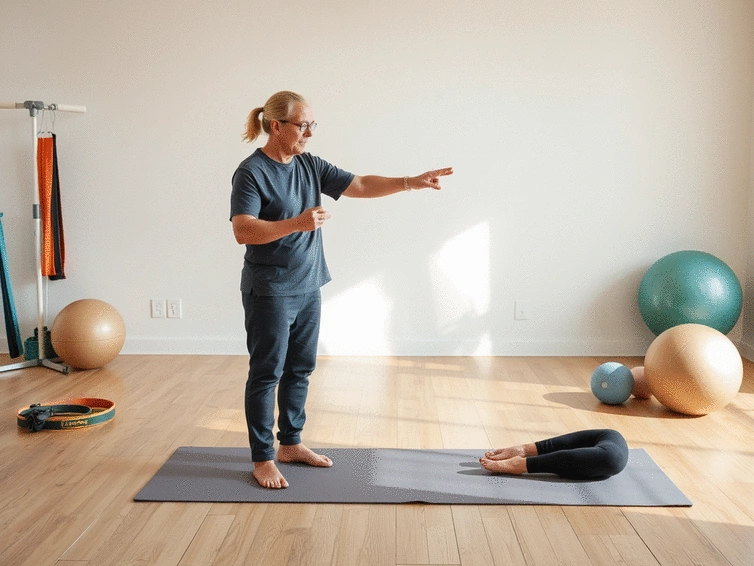
Relief from Sciatica Through Therapy
Are you struggling with persistent pain that radiates down your legs? You’re not alone. Understanding sciatica and its underlying causes can be the first step towards finding relief and reclaiming your life. Let's explore the key insights into managing this condition effectively.
What You Will Learn
- Sciatica Explained: It is a specific type of pain resulting from irritation or compression of the sciatic nerve, often linked to conditions like herniated discs or spinal stenosis.
- Identifying Symptoms: Common symptoms include sharp pain, tingling, numbness, and muscle weakness in the legs, which are crucial for early intervention.
- Connection to Lower Back Pain: Many experience a close relationship between sciatica and lower back pain, emphasizing the need for a comprehensive management approach.
- Benefits of Physical Therapy: Tailored physical therapy can lead to significant pain reduction, improved mobility, and increased confidence in managing daily activities.
- Value of Patient Education: Understanding your condition and triggers is essential in developing effective pain management strategies and regaining control over your health.
- Proactive Steps for Relief: Scheduling an evaluation with a qualified physical therapist is a vital first step in creating a personalized treatment plan.
Understanding Sciatica: Causes, Symptoms, and Treatment Approaches
This visual outlines the common causes, recognizable symptoms, and various treatment options for sciatica, along with patient benefits.
Understanding Sciatica: Causes and Symptoms
Sciatica is more than just a buzzword; it refers to a specific type of pain caused by irritation or compression of the sciatic nerve. This nerve runs from the lower back down through each leg, and when something goes awry—like a herniated disc or spinal stenosis—it can lead to discomfort or even debilitating pain. Understanding what sciatica is and how it develops is crucial in managing your symptoms effectively. For a deeper dive into the neurological aspects of sciatic nerve entrapment, you can refer to this article on sciatic nerve entrapment.
So, how does sciatica develop? It often begins with an underlying issue in the spine. Conditions such as degenerative disc disease, spondylolisthesis, or even pregnancy can place pressure on the sciatic nerve. Have you been experiencing lower back pain or leg discomfort? These could be signs that you’re dealing with sciatica.
What is Sciatica and How Does It Develop?
Sciatica typically occurs when the sciatic nerve is compressed or irritated. This can happen for several reasons, including:
- Herniated discs: Discs that have slipped out of place can pinch the nerve.
- Spinal stenosis: A narrowing of the spinal canal can lead to nerve compression.
- Injuries: Trauma to the back can also result in nerve irritation.
Ultimately, understanding the underlying causes can help you and your healthcare provider tailor a management plan that addresses your specific needs.
Recognizing the Symptoms of Sciatica
Identifying the symptoms of sciatica is the first step toward effective treatment. Common signs include:
- Pain: This may be sharp, shooting pain that radiates down the leg.
- Tingling or numbness: You may feel a pins-and-needles sensation in your legs or feet.
- Weakness: Some people experience muscle weakness in the affected leg.
Are you familiar with these symptoms? If you notice any of them, it's essential to seek guidance. Understanding your body’s signals is key to taking control of your recovery.
The Connection Between Sciatica and Lower Back Pain
Many individuals experience a close relationship between sciatica and lower back pain. In fact, sciatica often originates from issues in the lumbar region of the spine. This connection can lead to:
- Increased discomfort: Lower back pain can exacerbate sciatica symptoms.
- Difficulty with mobility: Pain in the back can limit your ability to move comfortably.
- Diminished quality of life: Chronic pain can affect your day-to-day activities.
Recognizing this link can empower you to take proactive steps toward relief. When we address both lower back pain and sciatica together, it often leads to better outcomes in managing your condition.
Pro Tip
Did you know? Incorporating regular stretching and low-impact exercises into your daily routine can significantly alleviate sciatica symptoms? Gentle activities like walking, swimming, or yoga can enhance flexibility, strengthen core muscles, and improve posture, all of which can help relieve pressure on the sciatic nerve.
Real Patient Experiences: Testimonials and Success Stories
Hearing from others who have walked the same path can be incredibly empowering. At Sciatica Solutions, we often receive heartwarming testimonials from our patients who have successfully managed their sciatica through physical therapy. These stories not only inspire those currently suffering but also highlight the transformative power of targeted treatment.
For example, one patient shared how physical therapy not only alleviated her sciatic pain but also improved her overall quality of life. She mentioned, "After just a few sessions, I started feeling more like myself again. I could finally play with my kids without wincing in pain!" This kind of progress is what we strive for at Sciatica Solutions.
How Others Have Benefited from Physical Therapy for Sciatica
Many patients have found relief through various physical therapy techniques tailored to their individual needs. Here are some common benefits reported:
- Reduced Pain: Many individuals experience significant pain reduction, allowing them to engage in daily activities.
- Increased Mobility: Improved flexibility and strength help patients regain their ability to move freely.
- Empowerment: Education about their condition enables patients to take control of their recovery journey.
- Enhanced Confidence: As pain decreases, many feel more confident in their physical abilities.
These testimonials serve as a reminder that recovery is possible. They illustrate how, with the right guidance and effort, individuals can reclaim their lives from the grip of sciatica.
Learning from Patient Education: Insights on Pain Management
At Sciatica Solutions, we emphasize the importance of patient education. Understanding the condition is a crucial step in managing pain effectively. Through our resources, patients learn about:
- Understanding Sciatica: Knowing what causes their pain empowers individuals to make informed decisions.
- Identifying Triggers: Keeping track of activities that exacerbate pain can lead to better management strategies.
- Implementing Home Exercises: Engaging in guided exercises at home can complement physical therapy sessions.
By focusing on education, we aim to equip patients with the tools they need to manage their sciatica more effectively, fostering a sense of control over their health.
Frequently Asked Questions About Sciatica
Q: What is sciatica?
A: Sciatica is a type of pain that results from the irritation or compression of the sciatic nerve, which runs from the lower back down through each leg. It's often caused by conditions like herniated discs or spinal stenosis.
Q: What are the main symptoms of sciatica?
A: Common symptoms include sharp, shooting pain down the leg, tingling or numbness (often described as "pins-and-needles"), and muscle weakness in the affected leg.
Q: How is sciatica connected to lower back pain?
A: Sciatica frequently originates from issues in the lumbar (lower) region of the spine. Lower back pain can exacerbate sciatica symptoms, limiting mobility and impacting quality of life.
Q: What are the benefits of physical therapy for sciatica?
A: Physical therapy can significantly reduce pain, increase mobility, empower patients through education about their condition, and enhance confidence in managing daily activities.
Q: Why is patient education important in managing sciatica?
A: Understanding your condition, identifying triggers, and learning effective home exercises are crucial for developing better management strategies and fostering a sense of control over your recovery.
Q: What steps should I take if I suspect I have sciatica?
A: The first proactive step is to schedule an evaluation with a qualified physical therapist. Early intervention can lead to a quicker recovery and a personalized treatment plan.
Q: Are there other treatment options besides physical therapy?
A: Yes, other options include chiropractic care for spinal alignment and nerve pressure relief, and occupational therapy to help adapt daily activities to avoid exacerbating pain. Often, a combination of therapies yields the best results.
Taking the First Steps Towards Relief
Are you ready to take the first step towards sciatica relief? It can feel daunting, but starting your journey with a professional can make all the difference. I encourage anyone struggling with sciatica to consider scheduling an evaluation with a physical therapist. This initial assessment is crucial in determining an effective treatment plan tailored to your specific needs. For more insights into the effectiveness of physiotherapy, you might find this clinical practice guideline on low back pain helpful.
Encouragement to Schedule an Evaluation with a Physical Therapist
Scheduling an evaluation is a proactive step in managing your condition. During this visit, a therapist will assess your pain, discuss your symptoms, and create a personalized treatment plan. Remember, early intervention can lead to quicker recovery! Don’t hesitate to reach out—every journey starts with the first step.
Resources for Finding Qualified Professionals
Finding the right physical therapist is vital for your recovery. At Sciatica Solutions, we recommend checking the following resources:
- Professional Associations: Look for therapists who are members of recognized organizations like the American Physical Therapy Association (APTA).
- Referrals: Ask your healthcare provider for recommendations based on your specific needs.
- Patient Reviews: Online reviews can provide insight into other patients' experiences with therapists.
Taking the time to find a qualified professional can significantly enhance your healing journey! You can also find additional information on physical therapy treatments for sciatica, including current and emerging approaches, by reviewing this resource on conservative treatments for sciatica.
Exploring Treatment Options: Chiropractic Care and Occupational Therapy
While physical therapy is a cornerstone of sciatica management, you might also want to explore other treatment options. Chiropractors can provide spinal adjustments that may relieve nerve pressure, while occupational therapists can help you adapt daily activities to avoid exacerbating your pain. Here’s a quick overview:
- Chiropractic Care: Focuses on spinal alignment to alleviate discomfort and improve mobility.
- Occupational Therapy: Aims to optimize daily routines and help patients engage in meaningful activities without pain.
- Combined Approaches: Many patients find that a blend of therapies yields the best results.
Remember, communication with your healthcare team is key! Discussing various treatment modalities can help create a comprehensive plan that suits your needs.
Recap of Key Points
Here is a quick recap of the important points discussed in the article:
- Sciatica Overview: Sciatica is pain stemming from irritation or compression of the sciatic nerve, commonly caused by herniated discs or spinal stenosis.
- Symptoms Recognition: Key symptoms include sharp pain, tingling, numbness, and muscle weakness in the legs.
- Connection to Lower Back Pain: Sciatica often correlates with lower back pain, which may exacerbate symptoms and hinder mobility.
- Benefits of Physical Therapy: Physical therapy can lead to reduced pain, increased mobility, and an empowered understanding of the condition.
- Importance of Patient Education: Knowledge about sciatica helps patients identify triggers and implement effective home exercises.
- Seek Professional Help: Scheduling an evaluation with a physical therapist is crucial for creating a personalized treatment plan.



Stress and Sciatica: Finding Relief
Preparing for Sciatica Surgery: Essentials
Aquatic Therapy for Sciatica Recovery
Exploring Sciatica Medication Options
Ergonomic Solutions for Sciatica Relief