
Stretching Surrounding Tissues
Relieves pressure on the sciatic nerve by mobilizing adjacent structures.
Mechanism

Have you ever found yourself struggling with persistent nerve pain? You’re not alone. Sciatica can impact daily life in profound ways, but there’s hope. Nerve glide exercises offer a path to relief, promoting better mobility and reducing discomfort. Let’s uncover the essential insights into these transformative techniques.
Nerve glide exercises help alleviate sciatica symptoms by promoting nerve mobility and reducing sensitivity. The visual below highlights the core mechanisms at play and the key benefits experienced through consistent practice.
Relieves pressure on the sciatic nerve by mobilizing adjacent structures.
Promotes smoother nerve movement by facilitating internal lubrication.
Reduces restrictions around the sciatic nerve, enhancing flexibility.
Regular practice leads to noticeable reduction in discomfort for many individuals.
When dealing with sciatica, nerve glide exercises can be a game changer! These exercises are designed to help mobilize the sciatic nerve, reducing sensitivity and promoting better function. As someone who has worked with many patients suffering from nerve pain, I’ve seen firsthand how these techniques can enhance recovery and improve quality of life.
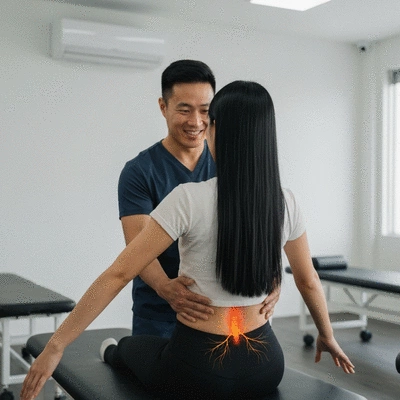
In this section, we’ll dive deep into the concept of nerve gliding, discuss its benefits, and provide you with step-by-step instructions to help you incorporate these exercises into your routine. Let’s get started on the path to better mobility and relief!
Nerve gliding refers to a series of gentle movements aimed at increasing the mobility of the sciatic nerve. This technique can be particularly beneficial for those experiencing symptoms of sciatica, such as pain, tingling, or numbness along the nerve pathway. By promoting nerve mobility, we can help alleviate discomfort and improve overall function.
Understanding the importance of nerve gliding is crucial for anyone looking to manage their sciatica effectively. By incorporating these movements into your daily routine, you can foster healing and regain control over your body.
Nerve glide exercises work by facilitating the movement of the nerve through surrounding tissues, which can often become tight or restricted. This process helps to reduce inflammation and decrease pain associated with sciatica. Let’s explore the mechanisms behind this beneficial practice.
When the sciatic nerve is compressed or inflamed, it can lead to a heightened sensitivity, making even minor movements painful. Nerve glide exercises help counteract this by:
These mechanisms collectively contribute to a decrease in nerve sensitivity, allowing for a greater range of motion and reduced discomfort. By understanding how these exercises work, you can appreciate their value in your recovery journey.
The sciatic nerve is the longest nerve in the body, extending from the lower back down to the feet. It plays a vital role in innervating the lower limbs, and when it’s compromised, the effects can be debilitating. Recognizing the anatomy of the sciatic nerve helps us understand why nerve glide exercises are so important.
Common conditions that affect the sciatic nerve include:
By addressing these conditions through targeted exercises, we can enhance nerve function and reduce pain. Remember, the goal is to empower you with knowledge and tools to take charge of your recovery.
Now that we have a solid understanding of nerve gliding, let’s get into the practical aspect. Below, I’ll outline some effective nerve glide exercises that you can incorporate into your routine to help manage sciatica symptoms.
Did you know? Incorporating gentle stretches before performing nerve glide exercises can significantly enhance their effectiveness. These preliminary stretches help warm up the muscles and surrounding tissues, making it easier for the sciatic nerve to glide smoothly. Consider adding a few minutes of light stretching to your routine to maximize your relief!
As we wrap up our discussion on nerve glide exercises, it's essential to reflect on the benefits these techniques offer for those dealing with sciatica. Nerve gliding not only helps in reducing nerve sensitivity but also promotes better mobility and flexibility in the sciatic nerve. By incorporating these exercises into your routine, you can experience improved pain management and a greater sense of control over your recovery journey!
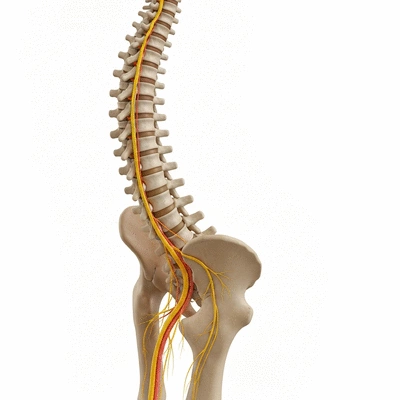
Moreover, practicing nerve glide exercises can empower you to understand your body better. Engaging in these movements can lead to increased awareness of how your body responds to different positions and activities. I encourage you to take the time to explore various techniques and find what works best for you. Remember, every small step counts towards achieving lasting relief from nerve pain!
These benefits highlight the importance of being proactive in your rehabilitation. As I often share with my patients at Sciatica Solutions, taking control of your health is key to navigating the complexities of sciatica. Further insights into the mechanisms of nerve glide exercises can be found in articles on PubMed Central.
While nerve glide exercises are generally safe, it’s crucial to approach them with care. Always listen to your body and avoid pushing through any pain. If something doesn’t feel right, don’t hesitate to consult a healthcare professional. At Sciatica Solutions, we believe in fostering a culture of ongoing learning. By keeping up with reliable resources and techniques, you can continue to enhance your recovery.
Regularly revisiting your practice and seeking feedback from trusted sources is vital. Remember, each person’s journey is unique, and what works for one person may differ from another. Embrace the learning process and be kind to yourself along the way.
To further support your journey, I encourage you to explore the resources available on our website, What Is Sciatica. We offer a range of articles, guides, and even video demonstrations to illustrate various nerve glide techniques. These visual aids can be invaluable in helping you understand the movements better and perform them safely.
Having access to reliable information at your fingertips can make a significant difference in your progress. Consider bookmarking our site for quick and easy reference as you continue your rehabilitation journey!
If you’re uncertain about how to implement these exercises or need personalized adjustments, consulting with a physiotherapist can be immensely beneficial. A professional can provide tailored advice based on your specific condition, goals, and physical capabilities. At Sciatica Solutions, we’re dedicated to helping you navigate these options and encourage you to take that next step toward a healthier, pain-free life.
Having a knowledgeable partner in your journey can enhance your understanding and execution of nerve glide exercises, ensuring safety and effectiveness in your practice.
As you integrate nerve glide exercises into your routine, consider pairing them with other pain management strategies. This holistic approach may include strengthening exercises, proper ergonomics, and mindfulness techniques to promote overall well-being. Remember, your recovery doesn’t have to be a solitary journey—sharing your experiences and learning from others can create a supportive community.
As you move forward, keep in mind that lasting relief is achievable with the right knowledge and tools. Together, we can explore the best strategies for managing your sciatica and empowering your recovery!
Here is a quick recap of the important points discussed in the article:
Stress and Sciatica: Finding Relief
Have you ever noticed how stress seems to magnify your pain? It’s a reality many face, especially
Preparing for Sciatica Surgery: Essentials
What if a simple understanding of your condition could lead to a better quality of life? For those g
Aquatic Therapy for Sciatica Recovery

Have you ever experienced the soothing relief of water enveloping you, easing tension and pain? Aqua

Stress and Sciatica: Finding Relief
Preparing for Sciatica Surgery: Essentials
Aquatic Therapy for Sciatica Recovery
Exploring Sciatica Medication Options
Ergonomic Solutions for Sciatica Relief