
Managing Chronic Sciatica Pain Tips
How often do we overlook the impact of our lifestyle on chronic pain? Understanding the underlying causes of chronic sciatica can empower you to take control of your recovery journey.
What You Will Learn
- Chronic sciatica is often caused by herniated discs, spinal stenosis, and other factors that compress the sciatic nerve.
- Common symptoms include sharp pain radiating down the leg, tingling, and muscle weakness.
- Creating a structured 12-week home exercise program can significantly aid in managing symptoms and enhancing recovery.
- Incorporating mental health practices and lifestyle changes, such as mindfulness and regular exercise, can improve overall outcomes in pain management.
- Maintaining a healthy weight through proper nutrition is essential for reducing strain on the spine and alleviating sciatic nerve pain.
Chronic Sciatica Management: A 12-Week Program Overview
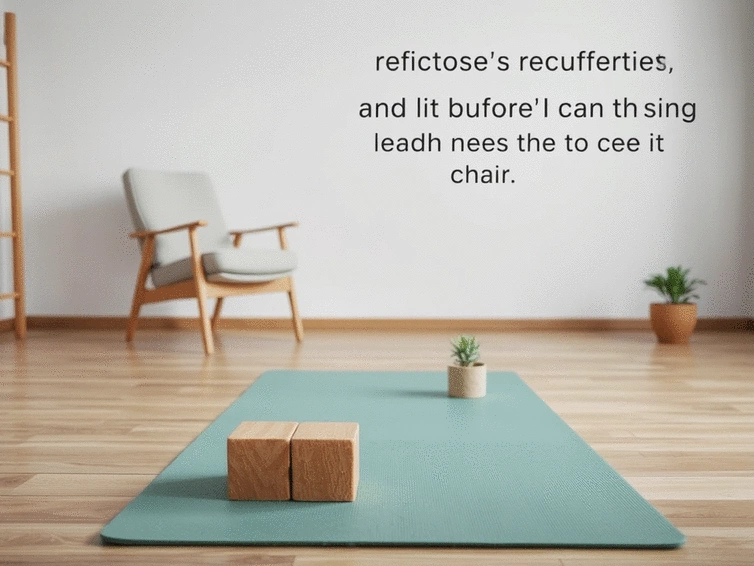
This visual outlines the key stages and considerations for a 12-week home program to manage chronic sciatica, focusing on physical progression and holistic health.
12-Week Home Program: Physical Progression
Weeks 1-4: Gentle stretching & mobility to improve flexibility.
Weeks 5-8: Core strengthening (abdominal & back muscles).
Weeks 9-12: Functional movements for endurance.
Holistic Approach: Mental & Lifestyle
Mental Health: Mindfulness, stress reduction, consistent sleep.
Lifestyle: Regular physical activity to boost mood & energy.
Weight Management: Healthy diet (fruits, veggies, whole grains, lean proteins).
Understanding Chronic Sciatica: Causes and Symptoms
Chronic sciatica is a condition that can significantly impact your daily life. It's characterized by persistent pain along the sciatic nerve, which runs from your lower back down to your legs. But what exactly causes chronic sciatica? The most common culprits include herniated discs, spinal stenosis, and even degenerative disc disease. These issues can compress or irritate the sciatic nerve, leading to discomfort that can be challenging to manage.
Many of my patients often ask, "How did this happen?" Understanding the underlying factors is crucial for effective recovery. A combination of age, lifestyle choices, and even genetics can contribute to the development of chronic sciatica. By recognizing these causes, we can tailor a management plan that addresses your unique situation. For further reading on the complexities of sciatica and its treatment, you can refer to insights from the National Institutes of Health.

What is Chronic Sciatica and How Does It Occur?
Chronic sciatica refers to nerve pain that persists for extended periods, typically longer than three months. This condition occurs when the sciatic nerve becomes compressed or inflamed. Common scenarios leading to this include heavy lifting, prolonged sitting, or injuries that strain the lower back. Understanding these triggers can help you avoid exacerbating the pain.
- Herniated or bulging discs
- Spinal stenosis (narrowing of the spinal canal)
- Piriformis syndrome (muscle irritation around the sciatic nerve)
- Injury or trauma to the lower back
By identifying potential causes, you can work with your healthcare provider to create a proactive approach to managing your condition. Remember, knowledge is power, and it can lead to effective pain relief strategies. Detailed information on the etiology and diagnosis of sciatica is also available from sources like NCBI Bookshelves.
Common Symptoms of Chronic Sciatica Pain
The symptoms of chronic sciatica can vary from person to person. However, some common signs to look out for include:
- Sharp, shooting pain that radiates down one leg
- Tingling or numbness in the lower back, buttocks, or legs
- Weakness in the affected leg
These symptoms can fluctuate, often intensifying with certain activities or prolonged sitting. I always encourage my patients to keep a diary of their symptoms. Tracking when and how the pain occurs can provide valuable insights to guide your treatment.
Understanding the Role of the Sciatic Nerve in Pain Perception
The sciatic nerve is the longest nerve in the body, and when it gets compressed or irritated, it can result in a range of uncomfortable sensations. This nerve plays a crucial role in connecting the spinal cord with the legs and feet. When damage or irritation occurs, the pain can manifest not only as discomfort but also as muscle weakness and altered reflexes.
It’s essential to understand that sciatica is not just about pain; it’s about how your body responds to its environment. By focusing on rehabilitation and education, I aim to empower my patients to recognize their body's signals and respond proactively. Together, we can develop a personalized plan that addresses your specific needs and enhances your quality of life. The World Health Organization also provides guidelines on chronic low back pain, which often includes sciatica.
Pro Tip
Did you know? Keeping a detailed symptom diary can significantly enhance your understanding of chronic sciatica. By noting the intensity of your pain, activities that trigger discomfort, and periods of relief, you can provide your healthcare provider with valuable insights. This information can lead to a more tailored and effective management plan, helping you navigate your recovery journey with confidence.
Building a Sustainable Long-Term Plan for Sciatica Management
Managing chronic sciatica is a journey, not a sprint. At Sciatica Solutions, we believe that creating a sustainable long-term plan is essential for achieving lasting relief. A well-structured approach not only helps you manage your symptoms but also empowers you to take control of your recovery. Let’s explore how to build this plan effectively!
Creating Your 12-Week Home Program: Goals and Progress Metrics
Establishing a 12-week home program can be a game changer in your sciatica management. Start by setting clear, achievable goals that focus on both your physical health and overall well-being. Here’s a simple framework to get you started:
- Week 1-4: Focus on gentle stretching and mobility exercises to improve flexibility.
- Week 5-8: Introduce core strengthening exercises that target your abdominal and back muscles.
- Week 9-12: Incorporate functional movements that mimic daily activities to build endurance.
As you progress, it’s vital to track your achievements. Keeping a journal of your pain levels, exercises completed, and any changes in your symptoms can provide valuable insights. This will not only help you stay motivated but also allow you to communicate effectively with your healthcare provider.

Incorporating Mental Health and Lifestyle Changes for Better Outcomes
Your mental health plays a crucial role in managing chronic pain, including sciatica. Incorporating mental health strategies into your routine can significantly enhance your recovery. Consider these actionable steps:
- Practice mindfulness meditation to reduce stress and improve focus.
- Engage in regular physical activity to boost your mood and energy levels.
- Establish a consistent sleep schedule to support your body's healing processes.
By addressing both your physical and mental health, you can create a more holistic approach to your sciatica management. Remember, it's okay to seek help from professionals like therapists or counselors who specialize in pain management.
Understanding the Importance of Weight Management and Nutrition
Weight management can significantly impact your recovery from chronic sciatica. Maintaining a healthy weight reduces the strain on your spine and the sciatic nerve. Here are some dietary tips to consider:
- Incorporate plenty of fruits and vegetables for essential nutrients and antioxidants.
- Opt for whole grains instead of refined grains to support better digestion.
- Choose lean proteins to aid in muscle repair and recovery.
Keeping an eye on your nutrition and weight not only contributes to pain relief but also enhances your overall well-being. If you're unsure where to start, consider consulting with a nutritionist who understands the unique needs of those with chronic pain.
Frequently Asked Questions About Chronic Sciatica
- What are the primary causes of chronic sciatica?
- Chronic sciatica is most commonly caused by herniated discs, spinal stenosis (narrowing of the spinal canal), and degenerative disc disease, which can compress or irritate the sciatic nerve.
- How long does pain need to persist to be considered chronic sciatica?
- Chronic sciatica refers to nerve pain that persists for an extended period, typically longer than three months.
- What are the common symptoms of chronic sciatica?
- Common symptoms include sharp, shooting pain radiating down one leg, tingling or numbness in the lower back, buttocks, or legs, and weakness in the affected leg.
- Can lifestyle changes help manage chronic sciatica?
- Yes, incorporating lifestyle changes such as regular exercise, mindfulness, stress reduction, consistent sleep, and maintaining a healthy weight through proper nutrition can significantly improve outcomes.
- Why is tracking symptoms important for sciatica management?
- Tracking symptoms helps you and your healthcare provider understand when and how the pain occurs, what activities trigger discomfort, and periods of relief, leading to a more tailored and effective management plan.
- What is the structure of a typical 12-week home program for sciatica?
- A typical 12-week program progresses from gentle stretching and mobility (Weeks 1-4) to core strengthening (Weeks 5-8), and finally to functional movements for endurance (Weeks 9-12).
Recap of Key Points
Here is a quick recap of the important points discussed in the article:
- Chronic sciatica is primarily caused by herniated discs, spinal stenosis, and degenerative disc disease.
- Understanding your triggers—such as heavy lifting or prolonged sitting—is key to managing pain.
- Common symptoms include sharp pain, tingling, and weakness in the affected leg.
- Creating a structured 12-week home program can significantly aid in recovery.
- Incorporating mental health strategies and lifestyle changes is essential for better outcomes.
- Maintaining a healthy weight and proper nutrition can reduce strain on the spine and support recovery.



Stress and Sciatica: Finding Relief
Preparing for Sciatica Surgery: Essentials
Aquatic Therapy for Sciatica Recovery
Exploring Sciatica Medication Options
Ergonomic Solutions for Sciatica Relief