
Heat Therapy
- Benefit: Relaxes muscles
- Benefit: Improves blood circulation
- Used for: Muscle stiffness
- Used for: Chronic pain
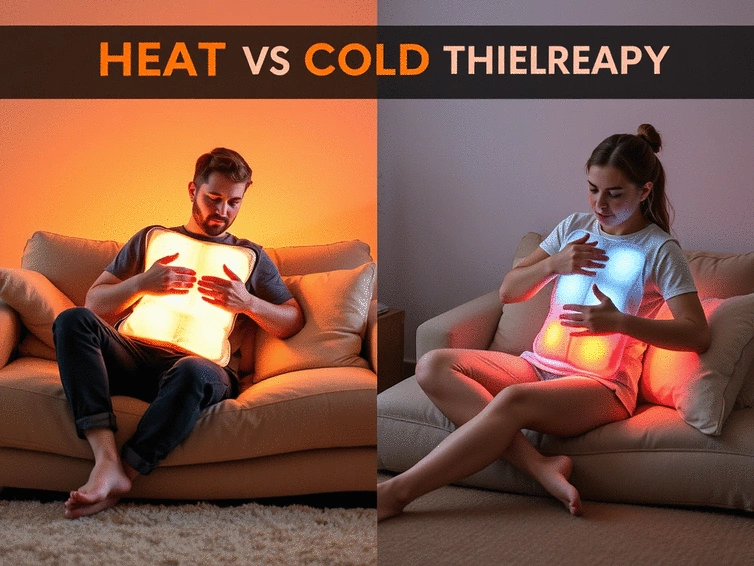
Did you know that integrating heat and cold therapy can greatly enhance your relief from sciatica pain? Understanding these methods empowers you to take control of your pain management journey!
This visual outlines the distinct applications and benefits of heat and cold therapy in managing sciatica symptoms, offering practical insights into their specific roles in pain management.
Understanding how to effectively manage sciatica can feel overwhelming. One of the best approaches involves utilizing heat and cold therapy to alleviate pain. Both therapies play a significant role in managing discomfort and enhancing recovery. In this section, we'll explore what sciatica is, how it affects you, and how heat and cold can help.
Sciatica refers to pain that travels along the sciatic nerve, which runs from your lower back down through your legs. This pain can be debilitating and is often caused by conditions like herniated discs or spinal stenosis. Have you ever felt a sharp pain radiating down your leg after sitting for too long? That's your sciatic nerve sending distress signals! For a deeper understanding of sciatica, including its causes and symptoms, you can refer to authoritative sources like the National Center for Biotechnology Information (NCBI).
Sciatica affects many people, often leading to discomfort that can interfere with daily activities. The pain typically starts in the lower back, traveling down to one leg. Other symptoms might include tingling, numbness, or weakness in the leg. Understanding these symptoms can empower you to seek the right treatment. For more comprehensive information on sciatica symptoms, consider visiting the Cleveland Clinic's detailed guide.
Recognizing these symptoms is crucial for effective management. It's important to consult with healthcare providers for a comprehensive evaluation and tailored treatment plan.
Heat and cold therapy are two powerful tools in your pain management toolkit. Each has its unique benefits that can complement your recovery journey. Heat therapy can help relax muscles and improve blood circulation, while cold therapy can reduce inflammation and numb sharp pain. Integrating both into your routine can boost your comfort levels.
By alternating between heat and cold, you might find a balanced approach that works best for your needs. Remember, the goal is to empower yourself with knowledge and tools that help you manage your sciatica effectively!
Recognizing the signs of sciatica is the first step in treatment. Besides the typical pain, other nerve-related symptoms can arise, making it essential to pay attention to your body. Identifying these symptoms early can lead to a more effective management plan. Have you noticed any patterns in your pain? Keeping a pain journal might help!
Understanding these symptoms not only aids in identifying sciatica but also empowers you to make informed decisions about seeking appropriate treatment. As we navigate the complexities of sciatica together, remember that you're not alone in this journey!
How do you prefer to apply heat and cold therapy for your sciatica relief? Share your favorite methods or tips below:
When it comes to managing sciatica pain, implementing heat and cold therapy can be a game-changer. At Sciatica Solutions, I aim to equip you with practical steps that are easy to follow at home. With just a few adjustments, you can incorporate these therapies into your daily routine for noticeable relief. Let’s dive into how to make your own treatments and blend them with other pain management strategies!
Creating your own heat and cold packs at home can be both cost-effective and convenient. Here are a few simple recipes to get you started:
Having these DIY packs readily available means you can easily apply heat or cold therapy whenever you need it. Just remember, consistent application is key to reaping the benefits! For more information on the efficacy of these therapies, including a systematic review on physical therapy interventions for sciatica, you can explore resources like the Wiley Online Library.
One of the best ways to enhance the effects of heat and cold therapy is to combine them with other pain management strategies. Here are some effective methods to consider:
Combining these approaches not only maximizes the effectiveness of heat and cold therapy but also empowers you to take an active role in your pain management journey. You deserve to feel better!
Self-care is an essential aspect of managing sciatica effectively. Here are some strategies you can incorporate into your home routine:
By prioritizing self-care and being proactive, you can create a supportive environment that encourages healing. Remember, at Sciatica Solutions, I’m here to support you every step of the way in your journey to relief!
Here is a quick recap of the important points discussed in the article:
Stress and Sciatica: Finding Relief

Have you ever noticed how stress seems to magnify your pain? It’s a reality many face, especially
Preparing for Sciatica Surgery: Essentials
What if a simple understanding of your condition could lead to a better quality of life? For those g
Aquatic Therapy for Sciatica Recovery

Have you ever experienced the soothing relief of water enveloping you, easing tension and pain? Aqua

Stress and Sciatica: Finding Relief
Preparing for Sciatica Surgery: Essentials
Aquatic Therapy for Sciatica Recovery
Exploring Sciatica Medication Options
Ergonomic Solutions for Sciatica Relief