
Red Flags for Immediate Medical Attention
- ● Loss of bladder/bowel control
- ● Severe weakness in legs
- ● Sudden intense pain onset
- ● Symptoms escalate rapidly
- ● Cauda Equina Syndrome signs

When experiencing pain, are you left wondering if it's time to seek medical help? Understanding the signs and symptoms of sciatica can significantly impact your recovery. Let’s explore what you need to know to take control of your health.
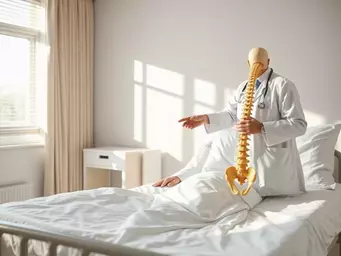
This visual outlines critical red flags indicating when medical intervention is necessary for sciatica and maps out the typical treatment progression.
Understanding sciatica and knowing when to seek medical intervention can make a huge difference in your recovery journey. Have you ever found yourself unsure whether your pain warrants a trip to the doctor? As someone who has dedicated over a decade to helping patients like you, I can tell you that recognizing the signs of sciatica is the first step toward effective management. Let’s dive into the symptoms that should raise a red flag, guiding you toward the right course of action.
Many individuals wonder, what are the common symptoms of sciatica? Typically, patients report pain that radiates from the lower back down through the buttock and into one leg. You might also experience:
While these symptoms can be uncomfortable, they don't always indicate a severe issue. However, it's essential to act if you notice certain other signs that could suggest a more serious condition.
It’s natural to have questions about when to seek help. If you experience any of the following symptoms, do not wait to consult a healthcare professional. According to the National Center for Biotechnology Information (NCBI), prompt medical evaluation for these red flags is crucial:
Recognizing these red flags can empower you to take action, ultimately leading to timely intervention and better outcomes.
As a physiotherapist, I’ve seen how important timely diagnosis can be. One condition that stands out is Cauda Equina Syndrome, a rare but serious condition that requires immediate medical attention. It occurs when the nerve roots at the end of the spinal cord become compressed, potentially leading to permanent damage if not treated quickly.
Recognizing the symptoms of Cauda Equina Syndrome can be a game-changer for your health. Key symptoms include:
If you notice any of these symptoms, I urge you to seek medical help immediately. Your prompt action could prevent lasting complications.
There are other emergency symptoms you should never ignore. If you experience symptoms like:
You should treat these situations as emergencies. Getting the help you need when it counts can safeguard your health and well-being.
Lastly, persistent pain that doesn’t seem to improve with rest or over-the-counter medications is a noteworthy warning sign. If you find yourself relying heavily on pain relief medications or if your pain disrupts daily activities, it’s time to consult a healthcare professional. Remember, don’t hesitate to reach out for help; you deserve to feel better!
Now that we've discussed when to seek help, let’s explore the underlying causes of sciatica, which can greatly inform your treatment options. The most common cause is nerve compression, often resulting from herniated discs or spinal stenosis. Understanding these causes can help demystify your condition and empower you to take control of your recovery.
A herniated disc occurs when the soft material inside the disc pushes out, pressing on the nearby nerve roots. Meanwhile, spinal stenosis involves the narrowing of the spinal canal, which can exacerbate nerve compression. Both conditions can lead to the painful symptoms you might be experiencing.
It’s also important to differentiate between acute and chronic sciatica. Acute sciatica lasts for a short duration, often resolving with conservative treatments. Chronic sciatica, however, persists for more than three months and may require more intensive management. By understanding the nature of your condition, we can develop an effective treatment plan tailored to your needs.
Did you know? Keeping a symptom diary can significantly enhance your communication with healthcare providers. By noting the intensity and frequency of your pain, as well as any activities that exacerbate it, you can provide valuable insights that help in diagnosing and tailoring your treatment plan effectively.
Common symptoms include sharp, shooting pain radiating from the lower back down through the buttock and into one leg, tingling or numbness in the legs, and muscle weakness. Pain often worsens with sitting or standing.
You should seek immediate medical attention if you experience red flags such as loss of bladder or bowel control, severe weakness in the legs, sudden onset of intense pain, or symptoms that escalate rapidly.
Cauda Equina Syndrome is a rare but serious condition where nerve roots at the end of the spinal cord become compressed. It requires immediate medical attention to prevent permanent damage. Symptoms include severe low back pain, loss of feeling in the saddle area, and difficulty walking.
The most common cause of sciatica is nerve compression, often resulting from a herniated disc (where the disc material presses on nerve roots) or spinal stenosis (narrowing of the spinal canal).
Initial treatment typically involves conservative approaches such as over-the-counter or prescription medications for pain and inflammation, physical therapy to strengthen muscles and improve flexibility, and alternative therapies like acupuncture or massage therapy.
Surgery is considered if conservative treatments fail to provide relief for severe and persistent symptoms. Minimally invasive procedures like microdiscectomy or foraminotomy are common. Spinal fusion may be considered in rare cases for significant structural issues.

When you're dealing with sciatica, exploring treatment options is vital for your recovery journey! The good news is that there are many approaches available, ranging from conservative methods to more invasive surgical interventions. Here, I’ll guide you through various treatment options that can help alleviate your pain and improve your quality of life.
Before considering more invasive treatments, it’s often advisable to start with conservative options. These methods can help manage your pain effectively and often involve lifestyle changes or non-invasive therapies. The National Institute for Health and Care Excellence (NICE) recommends conservative management as the first line of treatment for sciatica.
Medications can play a key role in managing sciatica pain. Over-the-counter options like ibuprofen or naproxen can help reduce inflammation and alleviate discomfort. In some cases, prescription medications may be necessary to control more intense pain.
Over-the-counter pain relievers are usually the first line of defense against sciatica. They can help reduce swelling and numb pain. However, if your pain persists or worsens, your healthcare provider might recommend stronger prescription medications to help manage your symptoms.
Physical therapy is an essential part of recovery from sciatica. A licensed physiotherapist can create a personalized exercise plan aimed at strengthening your back and leg muscles, which ultimately supports your spine. I can't emphasize enough how vital this process is for your healing!
Many individuals find relief through alternative therapies, such as acupuncture or massage therapy. These methods can complement traditional treatments by addressing pain from different angles. Acupuncture, for instance, involves inserting thin needles at specific points in the body, potentially relieving pain and enhancing overall wellness.
While most cases of sciatica can be managed through conservative treatments, there are instances where surgical intervention becomes necessary. It’s essential to discuss these options with your healthcare provider if you aren’t experiencing relief.
For those facing severe and persistent symptoms, minimally invasive procedures like microdiscectomy or foraminotomy may be recommended. These techniques aim to relieve pressure on the sciatic nerve effectively. They often lead to quicker recovery times and less postoperative pain.
In rare cases, if you have significant structural issues in your spine, spinal fusion may be considered. This surgery stabilizes the spine and can alleviate pain caused by conditions like degenerative disc disease. It’s important to carefully weigh the risks and benefits with your doctor.

Creating a personalized treatment pathway is essential for effective management of sciatica. Every individual’s experience is unique, and your treatment plan should reflect your specific needs and circumstances. The World Health Organization (WHO) emphasizes the importance of personalized, non-pharmacological approaches for chronic low back pain, which often includes sciatica.
Incorporating self-care strategies, such as regular exercise, maintaining a healthy weight, and practicing good posture, can significantly impact your recovery. Simple activities like gentle stretching can also help ease tension and improve flexibility.
It’s beneficial to work with various specialists throughout your journey. Engaging with physiotherapists, chiropractors, or pain management specialists can provide you with a well-rounded approach to managing your sciatica and improving your quality of life. Don’t hesitate to reach out for help when needed!
Lastly, always remember the significance of follow-up care. Regular check-ins with your healthcare provider can help monitor your progress and make necessary adjustments to your treatment plan. This proactive approach ensures that you’re on the right path toward recovery.
Here is a quick recap of the important points discussed in the article:
Stress and Sciatica: Finding Relief

Have you ever noticed how stress seems to magnify your pain? It’s a reality many face, especially
Preparing for Sciatica Surgery: Essentials
What if a simple understanding of your condition could lead to a better quality of life? For those g
Aquatic Therapy for Sciatica Recovery

Have you ever experienced the soothing relief of water enveloping you, easing tension and pain? Aqua

Stress and Sciatica: Finding Relief
Preparing for Sciatica Surgery: Essentials
Aquatic Therapy for Sciatica Recovery
Exploring Sciatica Medication Options
Ergonomic Solutions for Sciatica Relief