

Sciatica Relief: OTC and Topicals
Have you ever paused mid-stride, only to feel a searing pain radiating down your leg? For countless individuals, this is the reality of sciatica—a condition that can disrupt daily life in an instant. Understanding the nature of this pain is essential for managing it effectively.
What You Will Learn
- Sciatica is a symptom of underlying issues, including herniated discs, spinal stenosis, and muscular tightness.
- Recognizing symptoms like sharp pain, tingling, and weakness can empower you to seek appropriate treatment.
- Over-the-counter (OTC) medications, such as NSAIDs and acetaminophen, can provide temporary relief but do not address the root causes of pain.
- It's crucial to consult with healthcare providers for a comprehensive pain management strategy, especially when symptoms persist.
- Real-world testimonials highlight varied experiences with OTC treatments, underscoring the importance of individualized care and lifestyle adjustments.
- Understanding the limitations of OTC medications can guide you towards more effective long-term treatment options.
Understanding Sciatica and OTC Treatment Limitations
While over-the-counter medications offer temporary relief, it's crucial to understand their role in managing sciatica and when to seek professional medical advice.
Common Sciatica Symptoms
- Sharp, shooting pain in leg
- Tingling or numbness
- Weakness in leg/foot
- Pain worsens with sitting
Recognizing these helps in early management.
OTC Limitations: Temporary vs. Root Cause
OTC Focus:
- Reduce inflammation
- Relieve pain
- Regain mobility
Underlying Causes:
- Herniated discs
- Spinal stenosis
- Piriformis syndrome
OTC offers temporary relief, not a cure for root issues.
When to Seek Professional Guidance
- Pain disrupts daily life/sleep
- Pain lasts > a few weeks
- Symptoms worsen despite OTCs
- New neurological symptoms
Professional diagnosis is key for effective treatment.
Key Diagnostic Approaches
- Physical examinations
- Imaging tests (X-rays, MRIs)
- Neurological assessments
These help determine the best course of action.
Understanding Sciatica Pain and the Role of Over-the-Counter Treatments
Sciatica can feel like a rollercoaster ride, can't it? One moment, you’re going about your day, and the next, a sharp pain shoots down your leg. So, what exactly is sciatica? It refers to pain that travels along the sciatic nerve, which runs from your lower back down each leg. This discomfort often stems from issues such as herniated discs, spinal stenosis, or even muscular tightness. It's essential to recognize these common symptoms:
- Sharp, shooting pain in the leg
- Tingling or numbness in the affected leg
- Weakness in the leg or foot
- Pain that worsens with sitting or standing
Understanding these symptoms can be a powerful first step in managing your condition. If you’ve ever experienced this pain, you know how challenging everyday tasks can become. It’s important to actively engage in your recovery process, and knowing what to look for is half the battle!
What is Sciatica and Its Common Symptoms?
Sciatica isn't just one condition; it's a symptom of underlying issues with the sciatic nerve. Many individuals wonder: why does this happen? The nerve can be compressed or irritated due to various factors, leading to that excruciating pain. Recognizing these triggers is key. For many, prolonged sitting, heavy lifting, or even sudden movements can kickstart those sciatica symptoms.
If you’re nodding in agreement, it might be time to assess your daily habits. Keeping a journal of your activities and how they affect your pain can be eye-opening. Remember, knowledge empowers you towards effective treatment!
How OTC Medications Can Alleviate Sciatica Discomfort
Now that we’ve covered what sciatica is and its symptoms, let’s talk about relief. Over-the-counter (OTC) medications can play a significant role in alleviating discomfort. But how do they work? These medications typically reduce inflammation, relieve pain, and help you regain mobility.
- NSAIDs like ibuprofen and naproxen target inflammation directly. For a deeper dive into their effectiveness, you can refer to this Cochrane review on NSAIDs for sciatica.
- Acetaminophen offers a safe option for mild to moderate pain relief.
- Topical treatments such as creams and patches provide localized relief.
Using OTC medications responsibly can help you manage your sciatica symptoms while you work on recovery strategies. However, it's important to remember that these are just part of a broader approach to treatment. As a physiotherapist, I often emphasize the need for a comprehensive plan that includes movement and physical therapy alongside medication.
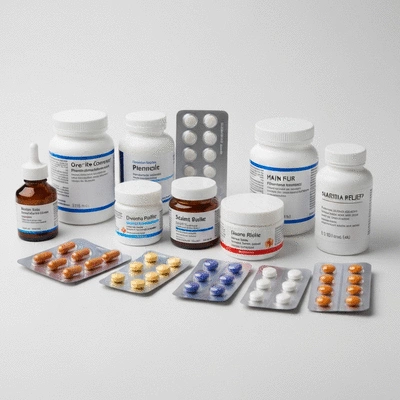
Exploring Types of Over-the-Counter Medications for Sciatica Relief
When it comes to OTC medications, understanding your options is crucial. Each type of medication works differently and can target your sciatica pain effectively. By exploring various options, you can make informed decisions about your treatment.
Pro Tip
Did you know? Keeping a pain journal can significantly enhance your understanding of sciatica. By recording the activities that trigger your pain, as well as the effectiveness of various treatments, you can identify patterns and make informed decisions about your management plan. This proactive approach not only empowers you but also provides valuable insights for your healthcare provider during consultations.
Evaluating the Limitations of Over-the-Counter Treatments for Sciatica
While over-the-counter (OTC) treatments can offer some immediate relief from sciatica pain, it’s essential to recognize their limitations. I often remind my patients at Sciatica Solutions that these medications are designed for short-term management rather than addressing the underlying causes of pain. Many individuals find themselves reliant on OTC solutions without fully understanding that their sciatica may stem from specific issues such as herniated discs or spinal stenosis.
In my practice, I've seen how the temporary effects of OTC medications can lead to frustration when the underlying problem remains unaddressed. It’s crucial for anyone suffering from sciatica to be aware that while these medications can ease discomfort, they do not provide a long-term solution. This realization can help guide you toward a more comprehensive pain management strategy. For more insights into the management of chronic low back pain, which often includes sciatica, consider reviewing this resource on non-pharmacological approaches.
Temporary Relief vs. Addressing Underlying Causes like Herniated Discs
OTC treatments primarily focus on symptom relief, which can sometimes mask more serious issues. Here are some common underlying causes of sciatica that you may want to consider:
- Herniated discs: A bulging or ruptured disc can compress the sciatic nerve, leading to pain.
- Spinal stenosis: Narrowing of the spinal canal may press on the nerve roots.
- Spondylolisthesis: A slipped vertebra can cause nerve compression.
- Piriformis syndrome: Tightness in the piriformis muscle can irritate the sciatic nerve.
Understanding these conditions is vital. While taking NSAIDs or acetaminophen might help with the pain, it’s important to consult with a healthcare provider for a proper diagnosis and treatment plan that addresses these underlying issues.

When to Consider Prescription Alternatives for Severe Pain
In some cases, OTC treatments simply aren’t enough. If you find yourself relying on these medications for prolonged periods, it may be time to speak with your healthcare provider about prescription alternatives. Here are some signs that suggest it might be time to seek stronger medications:
- Pain that disrupts daily activities or sleep
- Persistent pain lasting more than a few weeks
- Symptoms that worsen despite using OTC medications
- Neurological symptoms such as weakness or numbness
As someone who has worked extensively with patients suffering from sciatica, I’ve seen firsthand how transitioning to prescription options can provide the necessary relief to help patients regain their quality of life. Always consult your doctor to determine the best approach tailored to your specific needs. Further information on the multifaceted nature of sciatica and its management can be found in this review on sciatica management.
Real-World Insights: Patient Experiences and Testimonials
Hearing from others who have faced similar challenges can offer comfort and direction. At Sciatica Solutions, we often share real-life testimonials to provide insights into the effectiveness of various OTC treatments. These stories not only illustrate what has worked for others but can also offer hope and community support.
It’s valuable to remember that each experience is unique, and what works for one person may not work for another. This is why gathering a range of patient experiences can be enlightening and helpful in navigating your own journey with sciatica.
Understanding the Effectiveness of OTC Treatments from Real Users
Many individuals have shared their experiences with OTC treatments, providing a wealth of information. Here are some common findings:
- Most users report a temporary decrease in pain when using NSAIDs.
- Others find acetaminophen effective but may have to use it more frequently.
- Topical applications, like capsaicin cream, have a loyal following among those seeking localized relief.
While these treatments can provide a necessary stopgap, they rarely offer a permanent solution. It’s essential to reflect on these insights as part of your own pain management strategy.
Learning from Others: What Worked and What Didn’t
Through patient testimonials, we also discover that some treatments are not as effective as they might seem. Common themes include:
- Some find that certain topical creams have little to no effect on their symptoms.
- Many individuals report that while OTC medications help, they still need to explore additional therapies.
- A significant number mention that lifestyle changes, in conjunction with OTC treatments, have led to better outcomes.
As you navigate your own journey with sciatica, consider these experiences. They can guide you toward a more informed decision-making process regarding your treatment options.
Next Steps: Consulting with Healthcare Providers
One of the most important steps you can take in managing your sciatica is to consult with a healthcare professional. I can’t stress enough how crucial professional guidance is to accurately diagnose and treat your condition. Working together, we can develop a comprehensive plan tailored to your needs at Sciatica Solutions.
Whether you’re exploring OTC options or considering other treatments, your healthcare provider can help ensure you make informed decisions for your recovery.
Why Professional Guidance is Crucial for Sciatica Management
Having a knowledgeable partner in your healthcare journey can make all the difference. Here’s why:
- They can help identify the underlying causes of your sciatica.
- They can recommend the best treatment options for your specific case.
- Professional advice can help you avoid potential complications from self-treatment.
In short, working closely with your healthcare provider will empower you to take control of your recovery process.
Questions to Ask Your Doctor About OTC Treatments
When you meet with your healthcare provider, consider asking the following questions:
- What OTC medications do you recommend for my specific symptoms?
- Are there any risks or side effects I should be aware of?
- How long should I use these treatments before seeking alternatives?
- What lifestyle changes can I make to improve my condition?
Having these questions ready can help ensure you get the most out of your consultation and feel confident in your pain management plan.
Understanding Diagnostic Approaches for Sciatica
Finally, it’s essential to understand the diagnostic approaches your healthcare provider may use to evaluate your sciatica. Common methods include:
- Physical examinations to assess pain and mobility
- Imaging tests, such as X-rays or MRIs, to look for structural issues
- Neurological assessments to evaluate nerve function
These evaluations are critical in determining the best course of action for your pain management. With the right information and support, you can take significant steps toward recovery.
Frequently Asked Questions About Sciatica and OTC Treatments
- Q: What is sciatica?
- A: Sciatica is a condition characterized by pain that radiates along the sciatic nerve, which extends from the lower back down each leg. It is typically a symptom of underlying issues like herniated discs, spinal stenosis, or muscular tightness.
- Q: What are the common symptoms of sciatica?
- A: Common symptoms include sharp, shooting pain in the leg, tingling or numbness, weakness in the leg or foot, and pain that worsens with sitting or standing.
- Q: How do over-the-counter (OTC) medications help with sciatica?
- A: OTC medications such as NSAIDs (ibuprofen, naproxen) and acetaminophen help by reducing inflammation, relieving pain, and improving mobility. Topical treatments like creams and patches can also provide localized relief.
- Q: Do OTC medications cure sciatica?
- A: No, OTC medications provide temporary relief from sciatica symptoms but do not address the underlying causes of the condition. They are part of a management strategy, not a cure.
- Q: When should I consult a doctor for my sciatica?
- A: You should consult a doctor if your pain disrupts daily activities or sleep, lasts more than a few weeks, worsens despite OTC medications, or if you experience new neurological symptoms like weakness or numbness.
- Q: What are some underlying causes of sciatica?
- A: Common underlying causes include herniated discs, spinal stenosis, spondylolisthesis (slipped vertebra), and piriformis syndrome (tight piriformis muscle).
- Q: What diagnostic tests might a doctor use for sciatica?
- A: Diagnostic approaches can include physical examinations to assess pain and mobility, imaging tests (like X-rays or MRIs) to identify structural issues, and neurological assessments to evaluate nerve function.
Recap of Key Points
Here is a quick recap of the important points discussed in the article:
- Sciatica pain travels along the sciatic nerve, often caused by issues like herniated discs or spinal stenosis.
- Common symptoms include sharp pain, tingling, numbness, and weakness in the legs.
- Over-the-counter (OTC) medications can provide temporary relief, but they do not address underlying causes.
- It's important to consult with healthcare professionals for proper diagnosis and long-term treatment plans.
- Lifestyle changes and physical therapy play a crucial role in managing sciatica effectively.



Stress and Sciatica: Finding Relief
Preparing for Sciatica Surgery: Essentials
Aquatic Therapy for Sciatica Recovery
Exploring Sciatica Medication Options
Ergonomic Solutions for Sciatica Relief