
Physical Therapy
Focuses on strengthening and stretching exercises, guided by a physiotherapist. Often a first-line treatment for long-term relief.
StrengtheningFlexibility
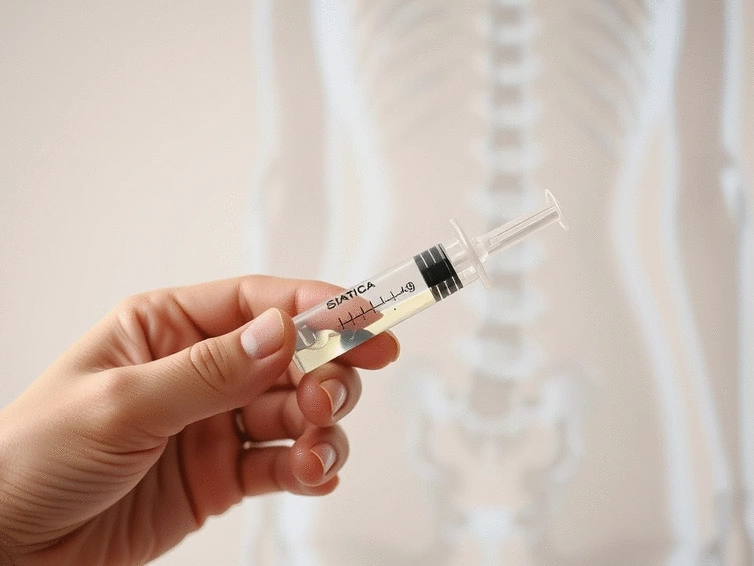
Have you been struggling with sciatica pain and feeling overwhelmed by your treatment options? Understanding the various non-surgical methods can empower you to find relief and improve your quality of life. Let's uncover the essential insights that can guide you on your journey to recovery.
This visual summarizes key non-surgical treatment options for sciatica, highlighting their primary benefits and applications.
Focuses on strengthening and stretching exercises, guided by a physiotherapist. Often a first-line treatment for long-term relief.
Over-the-counter or prescription drugs to manage pain and inflammation. Short-term relief.
Direct delivery of medication to reduce inflammation around the nerve. Temporary, targeted relief.
Complementary approaches to alleviate pain and improve spinal alignment. Can enhance recovery.
When it comes to managing sciatica, I find that exploring non-surgical treatment options can be incredibly beneficial. Many individuals experience relief through a variety of methods that don't require invasive procedures. Here’s a look at some of the most common non-surgical treatments, their effectiveness, and the evidence supporting their use.
Understanding the landscape of non-surgical treatments is crucial. Here’s a quick overview:
Each of these options has varying levels of evidence supporting their effectiveness, so it's essential to consult with a healthcare provider to determine the best path forward for your unique situation. The Journal of Orthopaedic & Sports Physical Therapy often publishes research on the efficacy of these treatments.

Sciatica refers to pain that radiates along the path of the sciatic nerve, which runs from your lower back through your hips and buttocks and down each leg. Typically, sciatica affects only one side of the body. The symptoms can include sharp pain, tingling, or numbness. But what causes this discomfort?
Recognizing these underlying factors can help you make informed decisions about your treatment options and recovery. For further understanding of chronic low back pain, which often includes sciatica, the WHO offers comprehensive guidelines.
While many cases of sciatica respond well to conservative treatment, there are certain signs that indicate you should seek help from a healthcare professional. If you experience:
Don't hesitate to reach out for a thorough evaluation. Early intervention is crucial for managing these symptoms effectively.
Taking proactive steps at home can make a significant difference in managing your sciatica symptoms. Here are some first-line treatments to consider:
Applying heat or cold can relieve pain and reduce inflammation. Heat therapy, such as warm compresses, helps relax tight muscles, while cold therapy can numb sharp pain and decrease swelling. I often recommend alternating between the two for optimal results!
Adjusting your daily activities can provide significant relief. Focus on avoiding prolonged sitting and heavy lifting. Incorporating gentle stretches and strengthening exercises can also support your recovery. Here are a few best practices to keep in mind:
Non-Steroidal Anti-Inflammatory Drugs (NSAIDs), like ibuprofen, can be effective for alleviating pain and reducing inflammation. However, it's essential to use them as directed and be aware of potential side effects, especially with long-term use. If you're unsure whether NSAIDs are right for you, please consult a healthcare provider.
To help you get started on your recovery journey, I’ve prepared a downloadable exercise plan tailored for sciatica relief. This plan includes a variety of strengthening and stretching exercises that can be done at home. Remember, consistency is key!
As you progress in your treatment, rehabilitation modalities can play a vital role in recovery. These approaches can enhance your healing and prevent future flare-ups.
Working with a physiotherapist can help tailor a treatment plan specific to your needs. They will guide you through exercises aimed at strengthening core muscles and improving flexibility, which are essential for supporting your spine and reducing sciatica symptoms.
Transcutaneous Electrical Nerve Stimulation (TENS) is an effective method that uses electrical impulses to relieve pain. It can be particularly beneficial for those looking for drug-free options to manage their discomfort. I’ve seen many patients benefit from incorporating TENS into their treatment plans.
Chiropractic care and massage therapy are also valuable for managing sciatica. Chiropractic adjustments can improve spinal alignment, while massage therapy can relieve muscle tension and improve circulation. Both approaches can enhance your overall recovery experience!

Many individuals find relief through acupuncture, which involves inserting thin needles at specific points on the body. This ancient practice can help alleviate pain and improve overall well-being, complementing other treatment methods. Research on complementary and alternative medicine, such as that found in PMC NCBI, suggests its potential benefits in pain management.
When non-surgical methods are not enough, medications may be necessary. Let’s break down some common options.
NSAIDs are often the first line of defense against sciatica pain. They work by reducing inflammation and providing pain relief. However, it’s crucial to monitor for side effects, especially with extended use. Some may experience gastrointestinal issues or cardiovascular risks.
In cases of severe muscle spasms, muscle relaxants can help relieve discomfort. Additionally, Serotonin-Norepinephrine Reuptake Inhibitors (SNRIs) may be prescribed if nerve pain persists. Always discuss potential side effects and expected outcomes with your healthcare provider.
Corticosteroids can offer powerful relief by reducing inflammation in the affected area. Trigger point injections are another option, targeting specific muscle knots that may contribute to pain. Both methods can be useful, especially when other treatments haven’t provided sufficient relief.
For some individuals, injections are a viable treatment option to relieve pain and inflammation.
Epidural steroid injections are commonly used to deliver anti-inflammatory medication directly to the epidural space around the spinal cord. These injections can provide significant relief for many individuals suffering from sciatica caused by nerve root irritation.
Nerve blocks involve injecting anesthetic near a nerve to block pain signals from reaching the brain. This method can be especially effective for localized pain, providing temporary relief and allowing for participation in physical therapy.
While injections can be effective, it’s essential to discuss potential risks, such as infection or bleeding. The outcomes vary; some individuals may experience significant relief, while others may find only temporary improvement. Always consult your healthcare provider to weigh the benefits against the risks.
In addition to treatments, making lifestyle changes can significantly impact your sciatica symptoms. Poor ergonomics, incorrect posture, and unhealthy eating habits can contribute to your pain. Here are some modifications to consider:
Choosing the right treatment for sciatica can be overwhelming. Consider utilizing a decision flowchart that outlines various options based on your symptoms and preferences. This visual aid can guide you through the decision-making process.
Insurance coverage can vary for different treatments, so it’s essential to understand your options. Some treatments, like physical therapy, may be covered, while others might require out-of-pocket expenses. Be sure to consult with your insurance provider to clarify your benefits.
Your journey to managing sciatica involves understanding your condition and taking proactive steps. Let’s explore some self-care strategies and frequently asked questions.
In the initial hours after experiencing sciatica pain, focus on rest and application of cold therapy to reduce inflammation. Gradually incorporate gentle movements as tolerated to avoid stiffness.
It's crucial to remain vigilant for any worsening symptoms. If you notice significant changes, such as weakness or loss of bladder control, don't hesitate to reach out to your healthcare provider for guidance.
Many patients have questions regarding injections for sciatica. Common inquiries include types of injections, what to expect during the procedure, and recovery times. Consider discussing these topics with your healthcare provider to ensure you feel informed and prepared.
Have you tried any non-surgical treatment options for your sciatica? We want to hear about your experiences! Please select one of the options below:
As we've explored, managing sciatica can be a journey filled with various non-surgical treatment options. Each approach offers unique benefits that can help alleviate pain and enhance your quality of life. Whether it’s through targeted exercises, pain-relieving medications, or alternative therapies, the right treatment can pave your path to recovery!
It's crucial to take time to understand these options and find what works best for you. Here’s a quick summary of the highlighted treatments:
Each of these treatment avenues has its merit, and navigating this landscape can seem daunting. I encourage you to reflect on what resonates with your experience and consider discussing it with a healthcare professional. Together, you can create a tailored plan that addresses your specific needs and goals.
Are you ready to take the next steps toward relief? I wholeheartedly recommend consulting with healthcare professionals who can guide you through the myriad of treatment options available. Whether it's a physiotherapist or a chiropractor, their expertise can be invaluable as you embark on your journey to recovery!
Remember, staying informed and proactive about your health is essential. Explore the resources available on Sciatica Solutions and reach out with any questions or concerns. Have you been keeping a journal of your symptoms and activities? This can provide critical insights for you and your provider. Let's work together toward a pain-free life!
Here is a quick recap of the important points discussed in the article:
Stress and Sciatica: Finding Relief
Have you ever noticed how stress seems to magnify your pain? It’s a reality many face, especially
Preparing for Sciatica Surgery: Essentials
What if a simple understanding of your condition could lead to a better quality of life? For those g
Aquatic Therapy for Sciatica Recovery

Have you ever experienced the soothing relief of water enveloping you, easing tension and pain? Aqua

Stress and Sciatica: Finding Relief
Preparing for Sciatica Surgery: Essentials
Aquatic Therapy for Sciatica Recovery
Exploring Sciatica Medication Options
Ergonomic Solutions for Sciatica Relief