
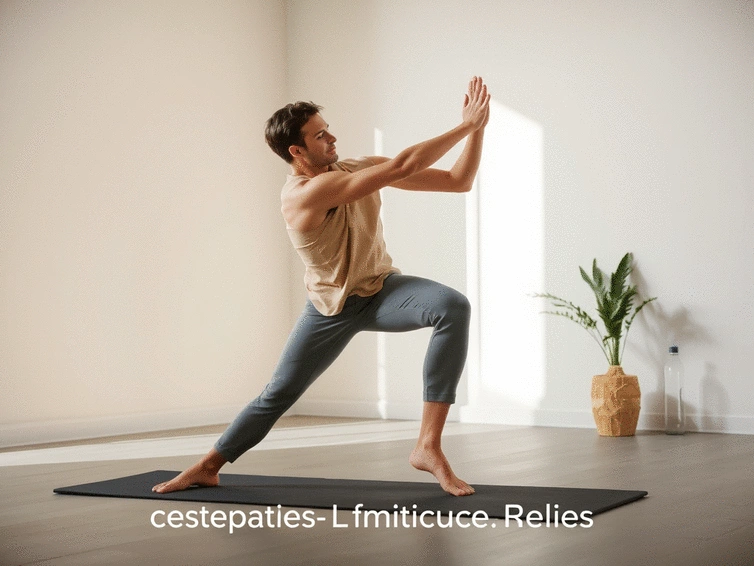
Movement and Stretching for Sciatica
Did you know that understanding the root causes of your pain can empower you to take control of your recovery? Let's delve into the essential insights about sciatica that can help you navigate this challenging condition.
What You Will Learn
- Sciatica pain is a symptom of an underlying issue, often related to nerve compression or irritation.
- Common causes include herniated disks, spinal stenosis, bone spurs, and piriformis syndrome.
- Symptoms can include sharp pain, tingling, numbness, and muscle weakness in the legs.
- Daily habits such as proper ergonomics and posture can significantly impact sciatica management and prevention.
Sciatica: Causes, Symptoms & Management
Understanding what causes sciatica and how to manage its symptoms is crucial for relief. The visual below details key aspects of sciatica, its common causes, and effective management strategies.
Symptoms of Sciatica
- ✓ Radiating Pain: Lower back to legs
- ✓ Tingling or Numbness: Pins-and-needles
- ✓ Muscle Weakness: In legs or feet
Common Causes
- ● Herniated Disks: Compressing the nerve
- ● Spinal Stenosis: Narrowing of spinal canal
- ● Bone Spurs: Irritating the nerve
- ● Piriformis Syndrome: Tight muscle pressure
Daily Habits for Prevention
- ★ Adjust Chair Height: Good spinal alignment
- ★ Support Cushion: For prolonged sitting
- ★ Frequent Breaks: Stand and stretch
- ★ Neutral Spine: Use standing desk, hip hinge
Potential Benefits of Chiropractic Adjustments
- ✔ Improved Spinal Alignment: Reduces nerve irritation
- ✔ Enhanced Mobility: Greater ease in movement
- ✔ Complementary Support: Aids stretching/exercise
Understanding Sciatica: Causes and Symptoms
Sciatica can be a confusing and painful condition to navigate. As a physiotherapist, I often see individuals struggling to understand their symptoms and the underlying causes. Sciatica pain refers to discomfort that travels along the sciatic nerve, which runs from the lower back down through the legs. Recognizing what’s happening in your body is the first step towards finding relief.
Many of my patients ask, “What exactly is sciatica pain?” Sciatica typically manifests as sharp, shooting pain, tingling, or even numbness in the legs. This can often be exacerbated by activities such as sitting for long periods or lifting heavy objects. It’s important to understand that while the pain may be intense, there are effective ways to manage and alleviate it.
What is Sciatica Pain?
Sciatica pain is not a condition itself, but rather a symptom of an underlying issue. When the sciatic nerve gets compressed or irritated, it can lead to discomfort that radiates from the lower back to the legs. This can be a result of various factors, including disk issues or spinal stenosis. It’s vital to identify the root cause so that appropriate treatment can be administered. Research on interventions for sciatica, such as those discussed on ClinicalTrials.gov, highlights the ongoing efforts to find effective treatments.
- Radiating Pain: Pain that travels from the lower back to the legs.
- Tingling or Numbness: Often described as a pins-and-needles sensation.
- Muscle Weakness: Issues may arise in the legs or feet.
Understanding these symptoms can empower you to take action. If you find yourself experiencing these sensations frequently, it might be time to seek professional guidance.
Common Causes of Sciatica Pain
Several factors can lead to the development of sciatica pain. For many, the discomfort begins with herniated disks, but there are other common culprits as well. Knowing these causes can help you avoid triggers in your daily life. A deeper understanding of the biomechanics of the lumbar spine, as explored in articles like those found on PMC NCBI, can further illuminate how these issues contribute to sciatica.
- Herniated Disks: Disks that bulge out can compress the sciatic nerve.
- Spinal Stenosis: A narrowing of the spinal canal can lead to nerve pressure.
- Bone Spurs: Extra bone growth can irritate the nerve.
- Piriformis Syndrome: Tightness in this muscle can compress the sciatic nerve.
Identifying these causes is essential for developing personalized management strategies. At Sciatica Solutions, we focus on educating our readers about these factors to empower them in their recovery journey.
Piriformis Syndrome: A Common Cause of Sciatica
Piriformis syndrome is often overlooked but is a significant contributor to sciatic pain. This condition occurs when the piriformis muscle, located in the buttocks, becomes tight or inflamed, putting pressure on the sciatic nerve. Understanding how this syndrome affects your body can help you find relief.
- Symptoms: Pain in the buttock that may radiate down the leg.
- Trigger Points: Tenderness in the piriformis muscle upon palpation.
- Aggravating Activities: Prolonged sitting, walking, or climbing stairs can worsen the pain.

By incorporating targeted stretches and movements, you can alleviate the tightness in the piriformis muscle. Remember, education is key! Understanding your body and its responses can guide your recovery effectively.
Pro Tip
Did you know? Incorporating gentle stretching and mobility exercises into your daily routine can significantly alleviate sciatica pain. Focus on stretches that target the lower back, hips, and hamstrings to help relieve tension and improve flexibility. Regular movement not only aids recovery but also strengthens the muscles that support your spine. Start with simple stretches, like the seated hamstring stretch or the piriformis stretch, and gradually build your routine as your comfort level increases.
Recap: Movement and Stretching for Sciatica Pain Relief
As we wrap up our discussion on movement and stretching for managing sciatica pain, it's essential to highlight the role daily habits play in your recovery journey. Simple adjustments can make a big difference in how your body feels. Remember, it's not just about the stretches you do but also how you position your body throughout the day!
Incorporating ergonomics into your daily routine and paying attention to your posture can significantly help prevent sciatic discomfort. Here are some daily habits you might consider:
- Adjust your chair height to maintain good spinal alignment
- Use a support cushion while sitting for long periods
- Take frequent breaks to stand and stretch, especially during prolonged sitting
- Keep your feet flat on the floor or use a footrest to promote good posture
By integrating these habits, you can create a more comfortable environment that supports your recovery from sciatica.
Daily Habits for Preventing Sciatica Pain: Ergonomics and Posture
It's no surprise that our daily routines can either contribute to or alleviate pain. At Sciatica Solutions, I often emphasize how important it is to be mindful of your posture. Did you know that slouching can put extra pressure on your spine? Maintaining a neutral spine position can help reduce the likelihood of nerve irritation and pain. For more information on rehabilitation strategies and their effectiveness, you can refer to studies published on PMC NCBI.
- Consider using a standing desk to encourage better posture throughout your workday.
- Practice ‘hip hinge’ movements when bending down, which can alleviate strain on your lower back.
- Engage your core muscles when lifting to provide more stability.
These adjustments may feel trivial, but they can result in significant long-term benefits!
Exploring Chiropractic Adjustments and Their Benefits
Chiropractic care can be an excellent complement to your movement and stretching regimen. Many patients express that receiving adjustments helps relieve pressure on the sciatic nerve, providing much-needed relief. If you're considering this approach, here are a few benefits to ponder:
- Improved spinal alignment, which can reduce nerve irritation
- Enhanced mobility, allowing for greater ease in movement
- Complementary support to your stretching and exercise routine

Chiropractic adjustments can become a vital part of your overall pain management strategy. If you’re curious about how this might fit into your recovery, reaching out to a local chiropractic professional could be your next step!
Next Steps: Building Your Pain Relief Routine
Now that you have a solid understanding of movement and stretching for managing sciatica, it’s time to build a personalized routine that suits your needs. This journey is unique for everyone, and having a structured plan can help you stay on track towards relief.
Downloadable 7-Day Sciatica Relief Plan
To assist you in creating your routine, we offer a downloadable 7-day sciatica relief plan that includes daily stretches, movement tips, and lifestyle adjustments. This resource can act as a roadmap, guiding you through the steps to find relief effectively.
FAQs: Common Questions About Sciatica Management
Many individuals have questions about managing sciatica, and it's completely normal to seek clarity. I encourage you to explore our FAQ section on the website, where I address common concerns and provide insights based on my experience as a physiotherapist.
Frequently Asked Questions About Sciatica
What is sciatica pain?
Sciatica pain is discomfort that travels along the sciatic nerve, typically from the lower back down through the legs. It’s a symptom of an underlying issue, not a condition itself, usually caused by nerve compression or irritation.
What are the common symptoms of sciatica?
Common symptoms include sharp, radiating pain from the lower back to the legs, tingling or numbness (often described as pins-and-needles), and muscle weakness in the legs or feet.
What causes sciatica?
Sciatica can be caused by various factors, including herniated disks (which compress the nerve), spinal stenosis (narrowing of the spinal canal), bone spurs (irritating the nerve), and piriformis syndrome (tight muscle pressure on the nerve).
How can daily habits help prevent or manage sciatica?
Daily habits such as maintaining proper spinal alignment, using support cushions for prolonged sitting, taking frequent breaks to stand and stretch, and practicing good posture (e.g., using a standing desk or hip hinge movements) can significantly help in preventing and managing sciatica.
Can chiropractic adjustments help with sciatica?
Yes, chiropractic adjustments can be beneficial for sciatica by improving spinal alignment, which reduces nerve irritation, enhancing mobility, and providing complementary support to stretching and exercise routines.
Understanding Physical Rehabilitation Options for Sciatica
Lastly, understanding your options for physical rehabilitation can empower you to take control of your recovery. Whether it’s personalized physiotherapy sessions or structured exercise programs, such interventions can significantly impact your journey towards pain relief. Don't hesitate to reach out if you have questions or need guidance on the best path for you!
Recap of Key Points
Here is a quick recap of the important points discussed in the article:
- Sciatica pain is a symptom of an underlying issue, often resulting from nerve compression or irritation.
- Key symptoms include sharp, shooting pain, tingling, numbness, and muscle weakness in the legs.
- Common causes of sciatica include herniated disks, spinal stenosis, bone spurs, and piriformis syndrome.
- Daily habits that support recovery include maintaining good posture, using ergonomic furniture, and taking regular breaks.
- Incorporating stretching and movement is essential for managing sciatica pain effectively.
- Chiropractic care can complement your recovery routine by improving spinal alignment and mobility.


Stress and Sciatica: Finding Relief
Preparing for Sciatica Surgery: Essentials
Aquatic Therapy for Sciatica Recovery
Exploring Sciatica Medication Options
Ergonomic Solutions for Sciatica Relief