
Common Causes
- Herniated discs
- Spinal stenosis
- Piriformis syndrome

Effective management of sciatica involves understanding various treatment options, including heat and cold therapy. Are you aware of how these therapies can impact your recovery journey?
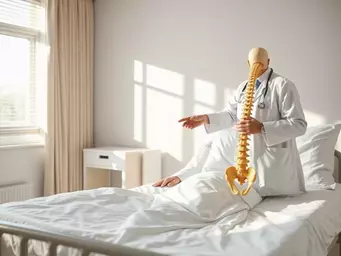
This visual outlines the key applications and limitations of heat and cold therapy for sciatica, alongside crucial long-term management and alternative approaches.
When it comes to managing sciatica pain, understanding the role of heat and cold therapy is essential. Sciatica occurs when the sciatic nerve, which runs from your lower back down through your legs, gets compressed or irritated. This can lead to a variety of painful symptoms, including sharp pain, numbness, and tingling sensations. Have you ever felt a sudden jolt of pain that makes it hard to move? That’s a common experience for those dealing with sciatica!
It’s crucial to grasp why sciatica causes such discomfort. Often, the pain is triggered by underlying issues like herniated discs or spinal stenosis, where pressure on the nerve leads to inflammation. Understanding these root causes can empower you to make informed choices about your therapy options and find effective relief.

Sciatica is not a diagnosis in itself but rather a symptom of an underlying condition. The pain often arises from nerve root irritation in the lumbar spine, which can result from various factors including injury, degenerative disc disease, or even prolonged sitting. When the sciatic nerve becomes compressed, it can lead to debilitating pain that radiates down the leg. Have you noticed that certain activities seem to make your pain worse? Identifying these triggers can help in managing your symptoms.
By understanding these potential causes, we can tailor our approach to treatment. At Sciatica Solutions, we emphasize the importance of education in managing your symptoms effectively. Knowledge is power, and the more you know, the better equipped you are to seek relief!
Effective management of sciatica symptoms can significantly enhance your quality of life. As a physiotherapist with over a decade of experience, I have seen firsthand how proper management can lead to lasting relief. One of the most effective approaches includes utilizing both heat and cold therapy to help reduce inflammation and improve muscle function.
Incorporating these therapies can help you regain control of your movements and activities. Remember, the journey to recovery doesn’t have to be a solo endeavor. By actively participating in your treatment plan and seeking out resources like the ones at Sciatica Solutions, you are taking a significant step towards managing your sciatica more effectively.
What has been your experience with heat and cold therapy for managing sciatica symptoms? Share your thoughts below:
When it comes to managing sciatica, making informed choices is essential. As someone who has spent over a decade in physiotherapy, I’ve seen many patients struggle with the decision of whether to use heat or cold therapy. It's important to understand not only the benefits but also the limitations of these treatments. While they can provide relief, they are not a cure-all for every situation.
One key limitation to consider is that while cold therapy can help reduce inflammation and numb sharp pain in the short term, it may not address the underlying muscle tension. Similarly, heat therapy can soothe discomfort but may aggravate inflammation if the underlying cause is acute. Knowing when to apply each type of therapy can make a significant difference in your recovery journey.

For additional strategies on managing sciatica pain at home, you might find valuable insights on Mount Nittany Health's recommendations for self-care.
It’s vital to remember that these therapies should be part of a broader management strategy. While they can provide temporary relief, they need to be accompanied by lifestyle changes and possibly other therapeutic interventions to achieve lasting results.
As I often tell my patients at Sciatica Solutions, effective management of sciatica involves more than just pain relief techniques. It’s about creating a holistic approach to your health. Incorporating physical activity, maintaining a healthy weight, and practicing good posture are all critical components of a long-term management plan. Have you considered these factors in your journey?
By integrating these lifestyle adjustments with heat and cold therapies, you can create a balanced approach that enhances your overall well-being and helps manage sciatica symptoms more effectively.
In addition to heat and cold therapy, there are several alternative therapies that may provide relief from sciatica symptoms. As a physiotherapist, I've witnessed the positive impact of various complementary approaches. Research indicates the effectiveness of some non-pharmacological interventions, including several complementary and alternative medicine techniques. Some of the methods I recommend include:
Exploring these alternative therapies can offer additional avenues for managing pain and enhancing recovery. Each individual’s experience with sciatica is unique, so a combination of therapies may lead to the best outcomes.
Here is a quick recap of the important points discussed in the article:
Stress and Sciatica: Finding Relief

Have you ever noticed how stress seems to magnify your pain? It’s a reality many face, especially
Preparing for Sciatica Surgery: Essentials
What if a simple understanding of your condition could lead to a better quality of life? For those g
Aquatic Therapy for Sciatica Recovery

Have you ever experienced the soothing relief of water enveloping you, easing tension and pain? Aqua

Stress and Sciatica: Finding Relief
Preparing for Sciatica Surgery: Essentials
Aquatic Therapy for Sciatica Recovery
Exploring Sciatica Medication Options
Ergonomic Solutions for Sciatica Relief