

Exercise Tips for Sciatica Relief
Have you ever winced in pain while reaching for something just out of arm's reach? For many, this discomfort is all too familiar, stemming from the often-debilitating condition known as sciatica. By understanding its nuances, you can take proactive steps toward relief and regain control over your daily life.
What You Will Learn
- Sciatica is not just a symptom but a collection of symptoms often caused by issues like herniated discs and spinal stenosis.
- Common symptoms of sciatica include sharp pain, tingling sensations, numbness, and muscle weakness in the legs.
- Understanding nerve compression is key to addressing sciatica effectively, as it often leads to the pain experienced.
- A consistent exercise routine, including specific stretches and strength training, can significantly alleviate sciatica symptoms and improve quality of life.
- Building a support network and utilizing available resources can enhance your journey toward recovery and provide motivation.
- Consulting with healthcare professionals to develop personalized rehabilitation programs is essential for long-term success in managing sciatica.
Understanding Sciatica: Causes and Symptoms
Sciatica is more than just pain; it's a complex condition rooted in nerve irritation. Below is a visual representation of its common causes and associated symptoms.
Common Causes of Sciatica
- Herniated Discs
- Spinal Stenosis
- Degenerative Disc Disease
- Pregnancy
- Bone Spurs
- Injuries
- Inflammation
Key Symptoms of Sciatica
- Sharp Pain (Lower back to leg)
- Tingling Sensations
- Numbness
- Muscle Weakness
Effective Sciatica Exercises
- Knee-to-Chest Stretch
- Pelvic Tilt
- Sciatic Nerve Glide
- Hamstring Stretch
- Piriformis Stretch
- Gluteal Strengthening
- Foam Rolling
Support & Resources
- Online Support Groups
- Community Workshops
- Social Media Groups
- Physiotherapy Clinics
- In-depth Articles & Guides
- Exercise Demonstration Videos
- Expert Webinars
Understanding Sciatica and Its Impact on Daily Life
Understanding sciatica is crucial for anyone experiencing its effects. Sciatica refers to pain that travels along the sciatic nerve, which runs from your lower back down through each leg. This condition often arises from underlying issues like herniated discs or spinal stenosis, causing discomfort that can disrupt daily activities. Have you ever felt a sharp pain when bending down or a dull ache while sitting for a prolonged period? You’re not alone in this struggle.

At Sciatica Solutions, we believe that by educating ourselves on the condition, we can take proactive steps toward relief. Learning about sciatica's causes helps empower individuals to make informed decisions about their health. So, what exactly causes sciatica? Let's explore that.
What Is Sciatica and What Causes It?
Sciatica is more than just a symptom; it's a collection of symptoms originating from the sciatic nerve's irritation. The National Institute of Neurological Disorders and Stroke (NINDS) provides comprehensive information, explaining that the most common causes include:
- Herniated Discs: These occur when the soft material inside the spinal disc bulges out and compresses nearby nerves.
- Spinal Stenosis: A narrowing of the spinal canal that can put pressure on the sciatic nerve.
- Degenerative Disc Disease: As discs wear out over time, they may lead to nerve compression.
- Sciatica Due to Pregnancy: The growing uterus can apply pressure on the sciatic nerve.
By understanding these causes, we can better address the underlying issues that lead to sciatica pain.
Common Symptoms Associated with Sciatica Pain
Sciatica manifests in various ways, and understanding these symptoms can help in identifying the condition. Common signs include:
- Sharp Pain: Often felt in the lower back and can radiate down the leg.
- Tingling Sensations: A feeling of pins and needles that may occur in the leg or foot.
- Numbness: A loss of sensation that can affect mobility.
- Muscle Weakness: Difficulty in moving the leg or foot.
Recognizing these symptoms is the first step toward seeking appropriate treatment. It’s essential to note that sciatica can vary widely from person to person, making personalized care vital.
Exploring the Connection Between Sciatica and Nerve Compression
The connection between sciatica and nerve compression is a key aspect of understanding this condition. When any part of the spinal column compresses the sciatic nerve, it can lead to the symptoms we discussed. This could be due to:
- Bone Spurs: These bony growths can form on the vertebrae and press against nerves.
- Injuries: Trauma to the lower back can cause immediate compression.
- Inflammation: Conditions like arthritis can lead to swelling that affects nerve pathways.
As a physiotherapist, I’ve seen firsthand how this compression impacts my patients' lives. Understanding the underlying mechanisms of nerve compression is crucial in devising effective treatment plans that address not just the symptoms but the root causes of sciatica, as highlighted in research on nerve compression in the lumbar spine.
Pro Tip
To enhance your recovery from sciatica, consider incorporating mindfulness practices such as meditation or yoga into your routine. These techniques not only promote relaxation but can also help alleviate pain by reducing tension in the body. Listening to your body and practicing stress management can significantly complement your physical exercises for a holistic approach to pain relief.
Frequently Asked Questions (FAQs) About Sciatica
Q: What is sciatica?
A: Sciatica is a condition characterized by pain that radiates along the sciatic nerve, which runs from your lower back down through each leg. It is typically caused by nerve irritation due to underlying issues like herniated discs or spinal stenosis.
Q: What are the most common causes of sciatica?
A: The most common causes include herniated discs, spinal stenosis, degenerative disc disease, pregnancy, bone spurs, injuries, and inflammation.
Q: What are the key symptoms of sciatica?
A: Key symptoms often include sharp pain in the lower back radiating to the leg, tingling sensations (pins and needles), numbness, and muscle weakness in the affected leg or foot.
Q: How does nerve compression relate to sciatica?
A: Nerve compression is a primary cause of sciatica. When the sciatic nerve is compressed by factors like bone spurs, herniated discs, or inflammation, it leads to the characteristic pain and other symptoms.
Q: What exercises are effective for sciatica pain relief?
A: Effective exercises include the Knee-to-Chest Stretch, Pelvic Tilt, Sciatic Nerve Glide, Hamstring Stretch, Piriformis Stretch, Gluteal Strengthening, and Foam Rolling. Harvard Health provides a guide on gentle stretches for sciatica.
Q: How important is consistency in managing sciatica?
A: Consistency is crucial for long-term relief and recovery. Regular adherence to an exercise routine and other management strategies can significantly improve symptoms and quality of life.
Recap of Key Takeaways on Sciatica Management
As we wrap up our discussion on managing sciatica, it's important to highlight some key takeaways that can empower you on your journey to relief. Understanding the nature of sciatica and how it affects daily life is crucial, but implementing effective strategies is what truly makes a difference. By focusing on targeted exercises and maintaining a consistent routine, you can significantly reduce your pain and improve your quality of life.
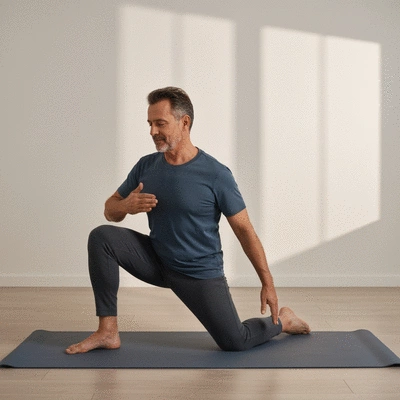
Here’s a quick recap of the most effective exercises and their roles in managing sciatica:
- Knee-to-Chest Stretch: A gentle way to relieve lower back tension.
- Pelvic Tilt: Helps in strengthening the core and stabilizing the pelvis.
- Sciatic Nerve Glide: A technique designed to mobilize the sciatic nerve.
- Hamstring Stretch: Alleviates tightness in the lower back and legs.
- Piriformis Stretch: Targets the hip area to relieve pressure on the sciatic nerve.
- Incorporating Gluteal Exercises: Provides enhanced support for the lower back.
- Foam Rolling Techniques: Offers muscle relief and promotes flexibility.
Implementing these exercises regularly can create a pathway towards relief. Keep in mind that consistency is key!
Effective Use of Exercises for Pain Relief
The exercises mentioned above not only provide immediate relief but also contribute to long-term recovery. It's essential to practice them as part of your routine. In my experience as a physiotherapist, many patients find success when they integrate these exercises into their daily lives. They not only help in reducing pain but also empower you to take control of your situation. For additional guidance on beneficial movements, Harvard Health offers advice on gentle stretches to help relieve pain and improve mobility.
Have you found certain exercises more helpful than others? Your journey is unique, and understanding what works best for you is vital. I encourage you to keep a record of your progress. This can help you identify which exercises offer the most relief and allow you to communicate effectively with your healthcare team.
Commitment to Consistency for Best Results
Just like any aspect of health, consistency is crucial. Committing to a daily or weekly exercise schedule can lead to significant improvements in your sciatica symptoms. Many individuals find that even short sessions of focused exercises can yield profound benefits. As you embark on this journey, remember that small, consistent efforts can lead to great results!
Consider setting aside specific times during your week dedicated to these exercises. Making it a part of your routine not only reinforces the habit but also instills a sense of commitment. For accountability, you might want to involve a friend or family member who can join you in your exercises, making the process more enjoyable.
Encouragement for Ongoing Support and Resources
As you move forward, remember that you are not alone in this journey. Finding community and support is essential for your recovery. There are many resources available that can provide additional guidance and encouragement. I strongly believe that connecting with others facing similar challenges can be incredibly beneficial.
At Sciatica Solutions, we provide a wealth of resources that can further aid your understanding and management of sciatica. Whether you’re looking for exercise demonstrations or in-depth discussions on sciatica management, we are here to support you every step of the way.
Finding Community and Support for Sciatica Relief
Building a support network can greatly enhance your recovery experience. Here are some ways to find and connect with others:
- Join online support groups dedicated to sciatica and pain management.
- Participate in local community health workshops or classes focused on pain relief.
- Engage with social media groups where members share their experiences and tips.
- Seek out local physiotherapy clinics that offer group sessions or workshops.
Finding a community can make your recovery feel less isolating and more collaborative. Sharing your experiences can also provide motivation and inspire others on similar paths!
Resources for Further Learning and Exercise Demonstrations
Continued education is vital in managing sciatica effectively. At Sciatica Solutions, we have curated various resources that can empower you with knowledge:
- In-depth articles on sciatica symptoms and causes.
- Videos demonstrating proper exercise techniques.
- Guides on lifestyle changes that can positively impact your condition.
- Webinars featuring expert physiotherapists discussing innovative management strategies.
Make it a habit to explore these resources regularly. They can provide fresh insights and techniques that help you stay on track!
Understanding Rehabilitation Programs for Long-Term Success
Lastly, it’s crucial to understand that a comprehensive rehabilitation program can make all the difference in your recovery. These programs often include a combination of physical therapy, exercise, and education tailored to your specific needs. As someone who has worked closely with various rehabilitation programs, I can attest to their effectiveness in achieving long-term success.
Always consult with a healthcare professional to determine the best approach for your situation. They can help you craft an individualized plan that aligns with your goals and lifestyle, ensuring you remain empowered on your journey toward relief!
Recap of Key Points
Here is a quick recap of the important points discussed in the article:
- Sciatica is a condition caused by irritation of the sciatic nerve, often due to herniated discs, spinal stenosis, or other underlying issues.
- Common symptoms include sharp pain, tingling sensations, numbness, and muscle weakness in the legs.
- Effective exercises for managing sciatica include the Knee-to-Chest Stretch, Pelvic Tilt, and Piriformis Stretch among others.
- Consistency in performing exercises is crucial for long-term relief and recovery from sciatica pain.
- Building a support network and utilizing available resources can enhance your journey toward recovery.


Stress and Sciatica: Finding Relief
Preparing for Sciatica Surgery: Essentials
Aquatic Therapy for Sciatica Recovery
Exploring Sciatica Medication Options
Ergonomic Solutions for Sciatica Relief