
Common Causes of Sciatica
- Prolonged Sitting
- Poor Posture
- Heavy Lifting
- Inadequate Ergonomics
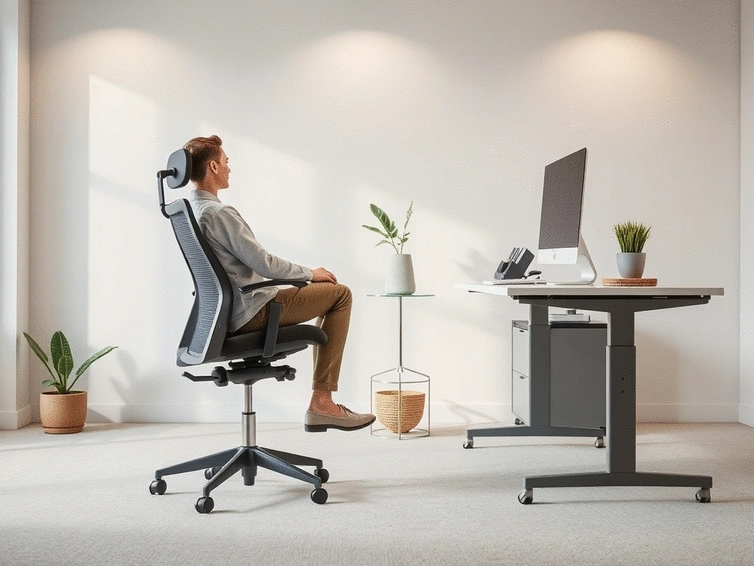
What if a simple adjustment in your workplace could alleviate your discomfort? Sciatica, often lurking beneath the surface, can be a significant barrier to productivity. Understanding its causes and implementing ergonomic solutions can lead to a more comfortable work environment and improved well-being.
The visual below illustrates key factors contributing to sciatica, potential symptoms, and effective solutions for a more comfortable work environment.
Understanding sciatica is crucial, especially if you're experiencing discomfort during your workday. Have you ever found yourself shifting in your chair, trying to find a comfortable position? Sciatica refers to pain that travels along the sciatic nerve, typically caused by compression or irritation. This nerve extends from your lower back down to your legs, and when it's affected, it can lead to a variety of symptoms, including pain, tingling, or numbness. Let's delve deeper into what sciatica is and how it affects you.

Sciatica is more than just a buzzword; it's a real condition that can significantly impact your daily life. The pain often radiates from the lower back through the buttocks and into one leg, making simple tasks like walking or sitting uncomfortable. Understanding your body is key to managing these symptoms effectively! For a deeper understanding of sciatica and its global impact, the World Health Organization (WHO) provides extensive resources on low back pain, which often includes sciatica.
Recognizing the signs of sciatica can help you take proactive steps toward relief. If you start noticing these symptoms at work, it's time to assess your environment and your habits!
In today's workplace, many factors can contribute to sciatica pain. As someone who has spent years treating musculoskeletal disorders, I've seen numerous cases where work conditions play a significant role. Here are some common triggers:
Identifying these triggers can empower you to make adjustments to your work life, improving both comfort and productivity. Have you taken a moment to observe your workspace setup? You'd be surprised at how small changes can make a big difference! For more insights on managing sciatica, Ohio State University offers valuable "dos and don'ts" for sciatica relief.
The sciatic nerve is a vital part of your body's nervous system, and its health directly influences your mobility. When the nerve gets compressed, it can lead to a cascade of issues that extend beyond pain. Understanding this connection is essential for taking control of your symptoms.
Awareness of how the sciatic nerve affects your body is the first step in managing pain and enhancing mobility. By prioritizing your spinal health, you can pave the way for a more comfortable work experience!
Did you know? Regularly changing your position and incorporating short breaks throughout your workday can greatly alleviate sciatica symptoms? Aim to stand, stretch, or walk for a few minutes every hour. This simple practice can help reduce pressure on the sciatic nerve and improve your overall comfort and productivity.
Making real changes in your workspace can seem daunting, but it’s essential for finding relief from sciatica pain. At Sciatica Solutions, we believe that taking actionable steps can empower you to take control of your comfort. Let’s dive into how you can create an ergonomic workspace that supports your health and well-being!
To start, it’s crucial to craft a plan that addresses your specific needs. Here are some key steps to consider when designing your ergonomic workspace:
By taking these steps, you’re not just adjusting your chair or desk; you’re actively working towards a healthier work environment that can significantly reduce your sciatica discomfort. For broader information on persistent low back pain, including sciatica, the World Health Organization provides comprehensive fact sheets.
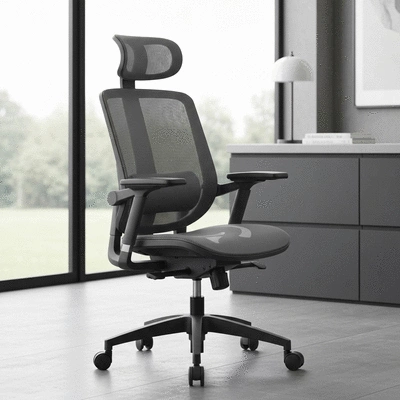
It’s not only up to you to make changes. Encouraging your employer to prioritize ergonomics can make a huge difference! Here’s how you can advocate for better ergonomic practices:
By engaging your employer in this conversation, you create a supportive culture that values employee health and comfort. Together, we can cultivate a workplace that’s designed for success!
Lastly, integrating health and wellness programs can have lasting benefits for everyone in the workplace. Consider the following ideas to foster a culture of health:
When health and wellness are prioritized, employees feel supported and motivated. Remember, at Sciatica Solutions, we’re here to help guide you through these changes, and I’m more than happy to share my knowledge and expertise to assist you in your journey!
Here is a quick recap of the important points discussed in the article:
Stress and Sciatica: Finding Relief

Have you ever noticed how stress seems to magnify your pain? It’s a reality many face, especially
Preparing for Sciatica Surgery: Essentials
What if a simple understanding of your condition could lead to a better quality of life? For those g
Aquatic Therapy for Sciatica Recovery

Have you ever experienced the soothing relief of water enveloping you, easing tension and pain? Aqua

Stress and Sciatica: Finding Relief
Preparing for Sciatica Surgery: Essentials
Aquatic Therapy for Sciatica Recovery
Exploring Sciatica Medication Options
Ergonomic Solutions for Sciatica Relief