

Chronic Sciatica: Managing Long-Term Pain
What if the key to managing your chronic pain lies in understanding the signals your body sends? Learning about sciatica can transform your approach to treatment and recovery.
What You Will Learn
- Chronic sciatica is characterized by persistent pain that lasts longer than three months and may require ongoing management.
- Common causes include herniated discs, spinal stenosis, degenerative disc disease, and injuries or trauma.
- Symptoms extend beyond pain, encompassing tingling, numbness, and muscle weakness, which can impact daily life.
- Implementing regular exercise, physiotherapy, and mindfulness can significantly improve pain management and quality of life.
- Recognizing when to consult a specialist is crucial, especially if pain intensifies or affects daily functioning.
- Engaging with a support network and exploring alternative therapies can aid in holistic recovery from chronic sciatica.
Chronic Sciatica Management: Key Strategies and When to Seek Specialist Care
This visual summarizes essential strategies for managing chronic sciatica and outlines critical indicators for seeking further specialist intervention.
Essential Management Strategies
- Regular, tailored exercise to strengthen spinal support.
- Physiotherapy sessions for personalized recovery plans.
- Mindfulness & CBT for emotional pain management.
- Effective medication management (OTC & prescription).
- Exploring alternative therapies (acupuncture, chiropractic).
When to Seek Specialist Care
- Intensifying Pain: Escalating or changing pain nature.
- Neurological Symptoms: New numbness or leg weakness.
- Impact on Daily Life: Pain interfering with daily activities.
- Failed Conservative Treatment: Little success with non-invasive therapies.
Insights into Chronic Sciatica and Its Long-Term Management
Chronic sciatica can often feel like a shadow that looms over your life, affecting not just your physical well-being but also your emotional state. It’s essential to understand what chronic sciatica is, its causes, symptoms, and how it can impact your daily routine. As a physiotherapist with over a decade of experience, I’ve seen firsthand how knowledge empowers individuals to manage their conditions effectively.
In this section, we’ll explore the key elements of chronic sciatica, including what it is and how it manifests in everyday life. This understanding will serve as a foundation for long-term management strategies that can lead to relief and improved quality of life.
Understanding Chronic Sciatica: Causes and Symptoms
Defining Chronic Sciatica: What You Need to Know
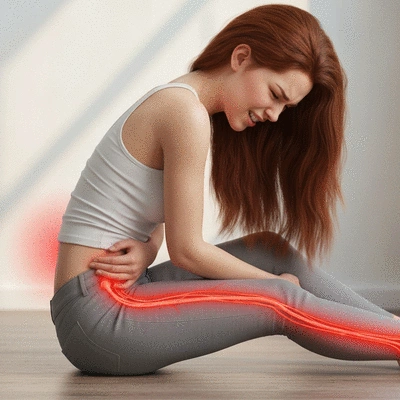
Chronic sciatica is a condition characterized by persistent pain that travels along the sciatic nerve, which extends from the lower back through the hips and buttocks down each leg. Unlike acute sciatica, which may resolve on its own, chronic sciatica lasts for more than three months and often requires ongoing management. Recognizing that this condition can significantly disrupt your daily activities is crucial. For further insights into the definition and management of sciatica, refer to the NICE guidance on sciatica.
It’s common for individuals to experience fluctuations in pain intensity, leading to days where activities feel manageable and others where the pain can be debilitating. Understanding this cycle is a key step in finding effective solutions.
Common Causes of Sciatica: Herniated Discs and More
Several factors can contribute to the development of chronic sciatica. Some of the most common causes include:
- Herniated Discs: A herniated disc occurs when the soft gel-like center of a spinal disc pushes through a crack in the tougher exterior casing, often pressing on nearby nerves.
- Spinal Stenosis: This condition involves the narrowing of the spinal canal, which can compress the sciatic nerve.
- Degenerative Disc Disease: Age-related changes in the spine can lead to decreased cushioning between vertebrae, resulting in nerve irritation.
- Injury or Trauma: Accidents, falls, or sports injuries can lead to sciatica symptoms.
Identifying the underlying cause is essential for tailored treatment approaches, so consider discussing your symptoms with a healthcare professional. Information on the pathophysiology and causes of sciatica can be found in this comprehensive review on Sciatica from NCBI Bookshelf.
Identifying Sciatica Symptoms: From Pain to Functionality
Sciatica isn’t just about pain; it encompasses a range of symptoms that can affect your functionality. Common symptoms include:
- Radiating Pain: Pain that starts in the lower back and radiates down the leg.
- Tingling or Numbness: These sensations often occur in the leg or foot.
- Muscle Weakness: Some individuals may experience weakness in their legs, impacting mobility.
As you evaluate your symptoms, consider keeping a journal of your pain levels and activities. This can help you and your healthcare team tailor a management plan that works for you.

The Impact of Chronic Sciatica on Quality of Life
How Sciatica Affects Daily Activities and Functioning
Living with chronic sciatica presents unique challenges that can affect nearly every aspect of your life. Activities once taken for granted, such as walking, sitting, or even standing for prolonged periods, can become daunting tasks. As a physiotherapist, I often hear from patients how sciatica interrupts their daily routines and limits their ability to enjoy life.
Many individuals find themselves modifying their activities to avoid pain, which can lead to a cycle of reduced physical activity and further complications. It’s important to recognize that these changes, while often necessary, can also contribute to a decline in overall health.
Addressing Pain Severity and Its Psychological Effects
The pain associated with chronic sciatica can lead to psychological effects such as anxiety and depression. When you’re in constant pain, it’s natural to feel overwhelmed. Studies indicate that the psychological impact of living with chronic pain can be just as profound as the physical symptoms themselves. The World Health Organization (WHO) offers guidelines on chronic low back pain, which often includes sciatica, emphasizing a holistic approach to care.
To navigate these challenges, consider integrating practices such as mindfulness and relaxation techniques into your routine. Engaging with a support network or seeking help from professionals can also be beneficial.
Pro Tip
Did you know that maintaining a regular stretching routine can significantly alleviate sciatica symptoms? Incorporating stretches that target your lower back and legs can improve flexibility and reduce nerve tension. Try adding gentle stretches like the piriformis stretch and hamstring stretch to your daily routine for better pain management.
Frequently Asked Questions About Chronic Sciatica
- What is chronic sciatica?
- Chronic sciatica is persistent pain along the sciatic nerve that lasts for more than three months, distinguishing it from acute sciatica which may resolve more quickly.
- What are the common causes of chronic sciatica?
- Common causes include herniated discs, spinal stenosis, degenerative disc disease, and injuries or trauma to the spine.
- What are the typical symptoms of sciatica?
- Symptoms include radiating pain from the lower back down the leg, tingling, numbness, and muscle weakness in the affected leg or foot.
- How does chronic sciatica impact daily life?
- It can significantly disrupt daily activities, making simple tasks like walking, sitting, or standing difficult, and can also lead to psychological effects such as anxiety and depression.
- When should I seek specialist care for sciatica?
- You should seek specialist care if your pain intensifies, you experience new neurological symptoms like numbness or weakness, if the pain interferes significantly with daily life, or if conservative treatments have not been successful.
Summarizing Key Approaches for Effective Sciatica Management
As we navigate the complexities of chronic sciatica, it's essential to have a clear understanding of the best strategies available to manage this condition. Through my experience at Sciatica Solutions, I've found that a multifaceted approach often yields the best results. Let’s recap the essential strategies for managing chronic sciatica effectively.
Recap of Essential Strategies for Managing Chronic Sciatica
- Engagement in Regular Exercise: Tailored exercises can help strengthen the muscles that support your spine.
- Physiotherapy Sessions: Working with a physiotherapist can provide personalized recovery plans.
- Mindfulness and Cognitive Behavioral Therapy: These techniques can help address the emotional aspects of pain.
- Medication Management: Understanding the role of both over-the-counter and prescription medications is crucial.
- Alternative Therapies: Consider exploring acupuncture or chiropractic care as adjunct therapies.
Each of these strategies addresses different aspects of sciatica, helping to create a comprehensive management plan. I often tell my patients that combining these approaches can significantly enhance their ability to cope with pain and improve their quality of life.
When to Seek Further Specialist Care or Interventions
While many individuals find relief through the strategies mentioned, there are times when additional care becomes necessary. Have you experienced persistent pain that doesn’t respond to conservative treatments? It might be time to consult a specialist. Here are some signs that you may need to seek further evaluation:
- Intensifying Pain: If your pain escalates or changes in nature, it’s crucial to seek help.
- Neurological Symptoms: Symptoms like numbness or weakness in your legs warrant immediate attention.
- Impact on Daily Life: When pain interferes with your ability to perform daily activities, intervention may be needed.
- Failed Conservative Treatment: If you've tried multiple non-invasive therapies with little success, it may be time to consider other options.
Don’t hesitate to reach out for professional assistance. Remember, understanding your body and its signals is a crucial part of the healing process.
Taking Action: Your Next Steps for Managing Chronic Sciatica
Now that you’re equipped with essential strategies, let’s focus on taking actionable steps to manage your chronic sciatica effectively. Empowering yourself with the right resources and a support network can make all the difference in your recovery journey.
Utilizing Resources: Downloadable Decision Aids and Support Tools
At Sciatica Solutions, we offer various resources to help you navigate your treatment options. Our downloadable decision aids can guide you in understanding your choices and making informed decisions about your care. Consider checking out these tools as part of your management plan!
Connecting with Healthcare Providers: Building Your Support Network
Your healthcare provider plays a vital role in your recovery. Building a robust support network can make your management journey smoother. Have you thought about reaching out to:
- Your physiotherapist for tailored exercise plans.
- A pain specialist for advanced treatment options.
- Your primary care physician for comprehensive evaluations.
Collaborating with a team of professionals can enhance your understanding of sciatica and lead to better outcomes.
Exploring Alternative Medicine and Home Remedies for Pain Relief
Don’t overlook the potential benefits of alternative medicine and home remedies in your recovery. Techniques such as acupuncture, yoga, and even simple stretches at home can provide relief. It’s essential to explore what works best for you and incorporate these practices into your daily routine.
Joining Support Groups for Chronic Pain Management
Finding a community of individuals who share similar experiences can be incredibly beneficial. Support groups offer not only emotional support but also practical tips for managing pain. Have you considered participating in a local or online support group? Sharing your journey and learning from others can empower you on your path to recovery.
Recap of Key Points
Here is a quick recap of the important points discussed in the article:
- Chronic Sciatica Definition: A persistent pain along the sciatic nerve lasting over three months, often requiring ongoing management.
- Common Causes: Conditions such as herniated discs, spinal stenosis, degenerative disc disease, and injuries can lead to chronic sciatica.
- Identifying Symptoms: Symptoms include radiating pain, tingling, numbness, and muscle weakness affecting daily activities.
- Management Strategies: Regular exercise, physiotherapy, mindfulness techniques, medication management, and alternative therapies are crucial for relief.
- When to Seek Help: Persistent or escalated pain, neurological symptoms, and failed conservative treatments may require specialist care.



Stress and Sciatica: Finding Relief
Preparing for Sciatica Surgery: Essentials
Aquatic Therapy for Sciatica Recovery
Exploring Sciatica Medication Options
Ergonomic Solutions for Sciatica Relief