
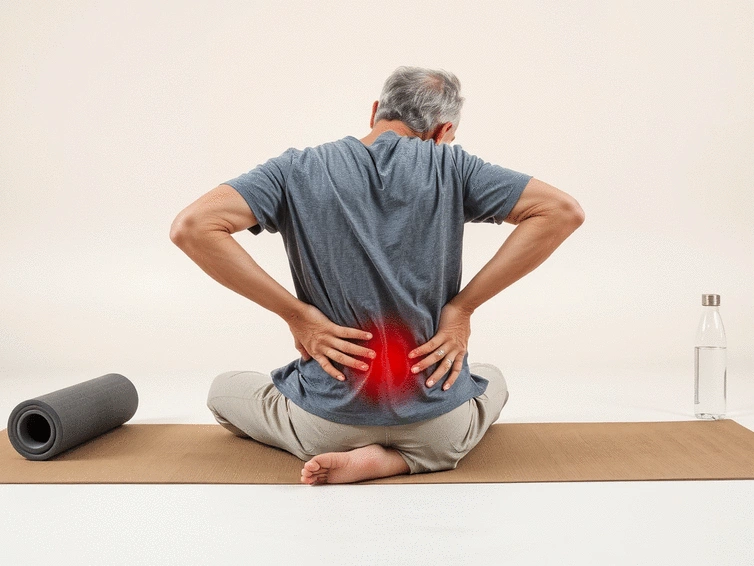
Understanding Muscle Spasms and Sciatica
When it comes to managing sciatica, understanding the condition is your first step toward relief. As Dr. Samuel N. Hartley emphasizes, knowledge about your symptoms and their underlying causes can empower you to take control of your health. Here’s what you will learn from this insightful guide.
What You Will Learn
- Sciatica is a symptom of underlying conditions, such as herniated discs or spinal stenosis, rather than a standalone diagnosis.
- Early intervention and self-care are crucial in preventing the progression of symptoms and reducing pain levels.
- Recognizing the signs and symptoms of sciatica, such as pain radiating down the leg, can lead to timely treatment.
- Implementing lifestyle changes—like maintaining good posture and staying active—can significantly improve your management of sciatica.
Sciatica: Causes and Management Flow
Understanding the common causes of sciatica and the recommended steps for recovery and prevention.
Understanding Sciatica: An Overview of Causes and Symptoms
Understanding sciatica can be a crucial step in managing your pain effectively. Have you ever felt a sharp pain shooting down your leg, or experienced a nagging discomfort in your lower back? If so, you might be facing sciatica. This condition arises when the sciatic nerve, which runs from your lower back down through your legs, gets compressed or irritated. Let's dive into what sciatica is and how it develops.
What Is Sciatica and How Does It Develop?
Sciatica is not a diagnosis in itself; rather, it’s a symptom of an underlying issue affecting the sciatic nerve. When something compresses this nerve, whether it’s a herniated disc or other spinal conditions, it can lead to various symptoms ranging from pain to numbness in the legs. Understanding the mechanics of sciatica is essential for effective management.
In my practice at Sciatica Solutions, I've seen firsthand how many individuals struggle with this condition. It’s important to recognize the signs and seek appropriate care. Identifying the root cause can pave the way for targeted treatment and relief.
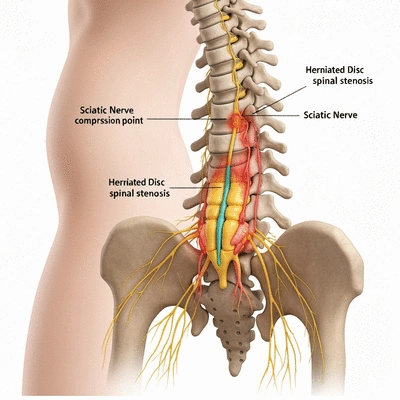
Common Causes of Sciatica Pain
There are several common culprits behind sciatica pain. Here are the primary causes:
- Herniated Disc: A prominent cause where the soft cushion between your vertebrae bulges out and presses against the sciatic nerve.
- Piriformis Syndrome: This occurs when the piriformis muscle spasms, irritating the nearby sciatic nerve.
- Spinal Stenosis: A narrowing of the spinal canal that can compress the nerves, leading to pain and discomfort.
Understanding these causes can empower you to take proactive steps in your recovery journey. By recognizing the underlying issues, you can work with a healthcare provider to develop a tailored management plan.
Herniated Disc: A Key Contributor
A herniated disc is often referred to as a key contributor to sciatica. When the disc material spills out, it can press directly on the sciatic nerve, leading to intense pain. This condition can develop due to age-related wear and tear or as a result of heavy lifting. Many of my patients have found that understanding this connection helps them feel more in control of their condition.
Piriformis Syndrome and Nerve Irritation
Piriformis syndrome can add another layer of complexity to sciatica. When the piriformis muscle in the buttocks becomes tight, it can pinch the sciatic nerve. This can happen due to prolonged sitting, muscle overuse, or a lack of stretching. Incorporating stretches for the piriformis can be beneficial for those suffering from this syndrome.
Spinal Stenosis: When Space Becomes an Issue
Spinal stenosis is another significant factor leading to sciatica. It happens when the spinal canal narrows, putting pressure on the sciatic nerve. This condition is often associated with age or degenerative changes in the spine. It’s essential to address spinal stenosis early to prevent further complications.
Recognizing Sciatica Symptoms: From Lower Back Pain to Nerve Pain
Recognizing the symptoms of sciatica can be vital for effective management. The pain may start in the lower back and radiate down one leg, often described as sharp, shooting, or burning. You might also experience tingling or numbness along the nerve pathway. These symptoms can vary significantly in intensity, making it important to monitor your pain levels and activities. For more comprehensive information on symptoms and diagnosis, you can refer to resources like Cleveland Clinic's overview of sciatica.
In my experience, keeping a pain journal can be a useful tool. It allows you to track your symptoms, identify triggers, and share this information with your healthcare provider, leading to more personalized treatment options.
Pro Tip
Incorporating regular, gentle stretching into your daily routine can significantly alleviate sciatica symptoms. Focus on stretches that target the lower back and hips, as these areas often contribute to nerve compression. Consider consulting a physiotherapist for personalized guidance on effective stretches that suit your condition.
Summarizing the Relationship Between Muscle Spasms and Sciatica
Understanding how muscle spasms interplay with sciatica can significantly impact your recovery journey. When the sciatic nerve is irritated, it can lead to muscle spasms in the back and legs, which may further exacerbate discomfort. Recognizing this connection provides insight into effective management strategies that can alleviate pain and enhance your quality of life.

As a physiotherapist, I’ve seen firsthand how addressing both sciatica and muscle spasms can lead to better outcomes for my patients. Taking proactive steps early on can make a big difference in how you feel over time!
The Importance of Early Intervention and Self-Care
Taking action early when experiencing sciatica symptoms is crucial. Here are some key reasons why early intervention and self-care matter:
- Preventing Progression: Addressing issues sooner can help prevent more severe symptoms down the line.
- Reducing Pain Levels: Early treatment often results in lower pain intensity and quicker recovery.
- Empowering Yourself: Understanding your body and implementing self-care strategies gives you more control over your recovery.
By integrating early intervention with self-care, you set yourself up for a smoother recovery. Remember, your path to relief starts with being proactive and informed!
Frequently Asked Questions About Sciatica
- What is sciatica?
- Sciatica is a symptom, not a diagnosis, characterized by pain radiating along the sciatic nerve, which runs from the lower back down each leg. It is typically caused by compression or irritation of this nerve.
- What are the most common causes of sciatica?
- The most common causes include herniated discs, piriformis syndrome, and spinal stenosis.
- How does a herniated disc contribute to sciatica?
- A herniated disc occurs when the soft cushioning between vertebrae bulges out and presses directly on the sciatic nerve, leading to pain and discomfort.
- What are the typical symptoms of sciatica?
- Symptoms often include sharp, shooting, or burning pain that starts in the lower back and radiates down one leg, along with possible tingling or numbness.
- Why is early intervention important for sciatica?
- Early intervention can prevent symptoms from worsening, reduce pain levels, and empower individuals to take control of their recovery through effective self-care strategies. The Journal of the American Medical Association highlights the benefits of early physical therapy for sciatica.
- What lifestyle changes can help manage sciatica?
- Maintaining a healthy weight, practicing good posture, staying active, and setting up an ergonomic workspace can significantly help manage sciatica symptoms long-term.
Encouraging Ongoing Management and Awareness
Sharing Your Experience: The Role of Patient Stories
Your journey with sciatica can encourage others to seek help and support. Sharing personal experiences helps foster a sense of community among those facing similar challenges. Have you found certain strategies effective? Whether it’s a specific stretching routine or a helpful technique you learned, your story might resonate with someone else!
At Sciatica Solutions, we believe in the power of shared experiences. Engaging with others through patient stories not only provides valuable insights but also builds a supportive environment where individuals can feel understood and motivated in their recovery efforts.
Next Steps: Building a Plan for Recovery and Prevention
Creating a personalized plan for recovery is essential to managing sciatica effectively. Here’s a simple approach to get started:
- Consult a Professional: Schedule a session with a physiotherapist to assess your condition and develop a tailored treatment plan.
- Set Realistic Goals: Establish achievable goals for your recovery—whether it's increasing mobility or reducing pain levels.
- Incorporate Exercises: Integrate specific exercises into your routine that strengthen and stretch the areas surrounding the sciatic nerve.
- Monitor Progress: Keep track of your symptoms and adjust your plan as needed, seeking guidance whenever necessary.
Taking these steps can significantly contribute to your recovery journey, setting the stage for long-term relief!
Implementing Lifestyle Changes for Long-Term Sciatica Management
Making small lifestyle adjustments can lead to significant improvements in managing sciatica. Consider these effective changes:
- Stay Active: Engage in regular physical activity to strengthen your muscles and improve flexibility.
- Practice Good Posture: Maintain proper posture while sitting, standing, and lifting to minimize stress on your spine.
- Maintain a Healthy Weight: Keeping your weight in check can reduce the pressure on your spine and nerves.
- Prioritize Ergonomics: Ensure your workspace is ergonomically set up to support your back and neck.
Implementing these lifestyle changes can help you manage sciatica symptoms more effectively, empowering you to regain control over your life!
Recap of Key Points
Here is a quick recap of the important points discussed in the article:
- Sciatica is a symptom of an underlying issue affecting the sciatic nerve, often caused by conditions like herniated discs and spinal stenosis.
- Common causes of sciatica include herniated discs, piriformis syndrome, and spinal stenosis, all of which can compress the sciatic nerve.
- Recognizing symptoms such as lower back pain, tingling, or numbness is crucial for effective management and treatment.
- Early intervention and self-care can prevent progression, reduce pain levels, and empower individuals in their recovery.
- Implementing lifestyle changes like staying active, practicing good posture, and maintaining a healthy weight can aid in long-term management of sciatica.


Stress and Sciatica: Finding Relief
Preparing for Sciatica Surgery: Essentials
Aquatic Therapy for Sciatica Recovery
Exploring Sciatica Medication Options
Ergonomic Solutions for Sciatica Relief