
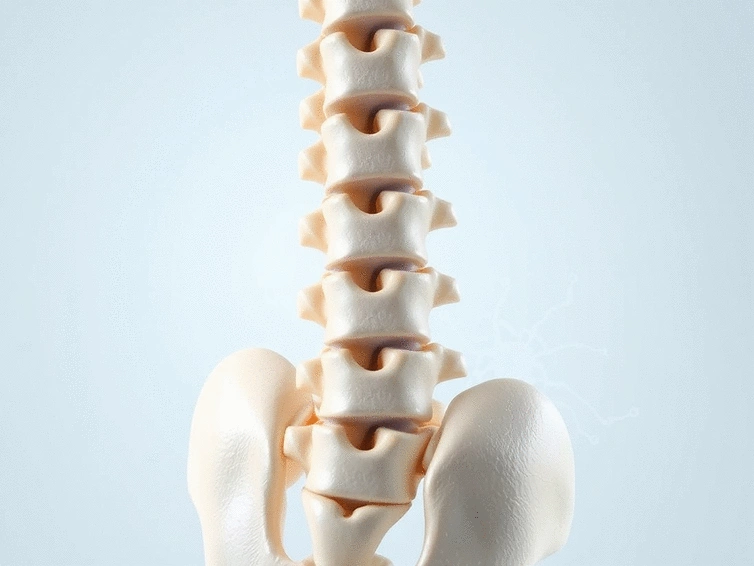
Understanding Lumbar Spinal Stenosis
What if understanding your back pain could lead to a more empowered and healthier life? The connection between lumbar spinal stenosis and sciatica is intricate but crucial for managing your symptoms effectively.
What You Will Learn
- Lumbar spinal stenosis is defined by the narrowing of the spinal canal, often caused by aging, arthritis, or congenital defects.
- Common symptoms include leg pain, numbness, and difficulty walking, which can often be misinterpreted as sciatica.
- Accurate diagnosis relies on thorough patient assessments and imaging techniques, such as MRIs.
- Treatment options vary from conservative management, like physical therapy, to surgical interventions in severe cases.
Lumbar Spinal Stenosis & Sciatica: Key Insights
This visual summarizes key aspects of Lumbar Spinal Stenosis and its connection to Sciatica, focusing on symptoms, diagnosis, treatment, and risk factors.
Symptoms & Connection to Sciatica
- • Narrowing of the spinal canal in the lower back.
- • Can pinch the sciatic nerve.
- • Causes sharp pain, tingling/numbness, muscle weakness in the leg.
Causes & Contributing Factors
- • Aging & degenerative changes.
- • Herniated discs.
- • Osteoarthritis & bone spurs.
- • Thickening of ligaments.
Diagnosis & Treatment Approaches
- • Diagnosis: Patient history, MRI imaging.
- • Treatment: Physical therapy, exercises, medication.
- • Surgical interventions for severe cases.
Risk Factors & Proactive Management
- • Increased risk with age.
- • Genetic predisposition.
- • Obesity adds strain.
- • Maintain healthy weight, regular exercise.
Understanding Lumbar Spinal Stenosis and Its Role in Sciatica
When we talk about lumbar spinal stenosis, it's essential to understand what it is and how it can impact our daily lives. Simply put, lumbar spinal stenosis occurs when the spinal canal narrows, which can lead to pressure on the spinal cord and nerves. This narrowing can be the result of various factors, including aging, arthritis, or even congenital conditions. So, how does this condition relate to sciatica? Let's delve deeper!
Understanding this condition can empower you to take control of your symptoms. At Sciatica Solutions, we believe that knowledge is key. Every patient deserves to understand what is happening in their body, making it easier to discuss treatment options with their healthcare provider.
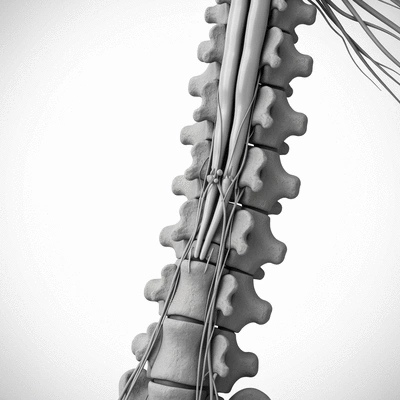
What is Lumbar Spinal Stenosis?
Lumbar spinal stenosis is a condition characterized by the narrowing of the spinal canal in the lower back. This narrowing can lead to various symptoms and complications, particularly when it affects the nerves that branch out from the spinal cord. Common causes include: The National Center for Biotechnology Information (NCBI) provides comprehensive information on lumbar spinal stenosis and its associated factors.
- Aging and degenerative changes in the spine
- Herniated discs that protrude into the spinal canal
- Osteoarthritis and bone spurs that develop over time
- Congenital spinal defects present at birth
Identifying lumbar spinal stenosis is crucial because it can lead to discomfort and pain in the lower back and legs. If you’ve experienced any of these symptoms, knowing the underlying cause can help you seek appropriate treatment!
How Does Lumbar Spinal Stenosis Lead to Sciatica?
You might wonder how lumbar spinal stenosis is connected to sciatica. The answer lies in the structure of the lumbar spine and the pathways of the nerves. When the spinal canal narrows, it can pinch the sciatic nerve, leading to symptoms like:
- Sharp pain radiating down the leg
- Tingling or numbness in the legs
- Muscle weakness in the affected leg
These symptoms occur because the nerve is compressed. The more severe the stenosis, the more pronounced these symptoms can become. This is why understanding the intricacies of your condition is so vital!
The Role of Nerve Compression in Sciatica Symptoms
Nerve compression is at the heart of what makes sciatica so uncomfortable. When the nerves in the lumbar spine are compressed by the surrounding structures, it can lead to inflammation and pain. Some key factors contributing to this compression include:
- Disc degeneration that reduces space in the spine
- Thickening of ligaments that can encroach on the nerve pathways
- Bone spurs that can form as the body attempts to stabilize the spine
Recognizing how these elements work together to cause pain can help you better manage your symptoms. As a physiotherapist, I've seen firsthand how patients who understand the mechanics of their condition experience relief and improved outcomes!
Pro Tip
Did you know? Engaging in regular physical activity can significantly help prevent the progression of lumbar spinal stenosis. Activities like walking, swimming, and specific stretching exercises can maintain flexibility and strength in your back, reducing pressure on the spinal canal. Always consult with a healthcare provider to tailor an exercise plan suited to your needs!
Frequently Asked Questions about Lumbar Spinal Stenosis and Sciatica
What is lumbar spinal stenosis?
Lumbar spinal stenosis is a condition where the spinal canal in the lower back narrows, putting pressure on the spinal cord and nerves. This narrowing can be caused by aging, arthritis, herniated discs, or congenital defects.
How does lumbar spinal stenosis cause sciatica?
When the spinal canal narrows due to lumbar spinal stenosis, it can pinch or compress the sciatic nerve. This compression leads to typical sciatica symptoms such as sharp pain radiating down the leg, tingling, numbness, and muscle weakness in the affected leg.
What are the common symptoms of lumbar spinal stenosis?
Common symptoms include leg pain, numbness, and difficulty walking. These symptoms can often be mistaken for sciatica, as both conditions involve nerve compression in the lower back.
How is lumbar spinal stenosis diagnosed?
Diagnosis typically involves a thorough patient assessment, including medical history and physical examination, along with imaging techniques such as Magnetic Resonance Imaging (MRI) to visualize the spinal canal and identify narrowing or nerve compression.
What are the treatment options for lumbar spinal stenosis and sciatica?
Treatment options vary from conservative management, such as physical therapy, exercises, and medication, to surgical interventions in more severe cases. The Mayo Clinic offers detailed information on diagnosis and treatment approaches for spinal stenosis.
What are the risk factors for developing lumbar spinal stenosis?
Key risk factors include increasing age (due to degenerative changes), genetic predisposition, and obesity, which can add extra strain on the spine. Proactive management, including maintaining a healthy weight and regular exercise, can help mitigate these risks.
Summarizing the Insights on Lumbar Spinal Stenosis and Sciatica
As we explore the complex relationship between lumbar spinal stenosis and sciatica, it's vital to distill the information into clear, actionable insights. Understanding how these two conditions interact can significantly aid in effective management and recovery. So, what are the key takeaways when it comes to symptoms, diagnosis, and treatment?
Key Takeaways Regarding Symptoms, Diagnosis, and Treatment
- Symptoms: Common signs of lumbar spinal stenosis include leg pain, numbness, and difficulty walking, which may be confused with sciatica.
- Diagnosis: A thorough assessment involving patient history and imaging techniques like MRIs is crucial for accurate diagnosis.
- Treatment: Options range from conservative management, such as physical therapy, to surgical interventions for severe cases. Guidelines from organizations like the North American Spine Society (NASS) provide evidence-based recommendations for treating spinal conditions.
By recognizing these essential points, you can better navigate your journey with lumbar spinal stenosis and sciatica. Always remember that timely diagnosis and a personalized treatment plan play a critical role in your recovery.

Encouraging Proactive Health Management and Seeking Expert Advice
One of the best strategies for managing lumbar spinal stenosis is to take a proactive approach to your health. This means not only being aware of your symptoms but also reaching out for help when needed. If you experience discomfort or pain, consider consulting with a healthcare provider who specializes in these conditions. They can guide you through the options available and help tailor a management plan that works for you!
- Keep a pain diary to track your symptoms and activities.
- Engage in regular physical activity to strengthen your back and improve flexibility.
- Don’t hesitate to ask questions during your medical appointments to ensure you understand your condition and options.
At Sciatica Solutions, I encourage my patients to stay informed and involved in their treatment process. Your health journey is unique, and understanding it helps pave the way for lasting relief!
Understanding Risk Factors: Age-related Changes and Genetics
Risk factors for lumbar spinal stenosis can significantly impact your likelihood of developing this condition. Age-related changes, such as disc degeneration and arthritis, are often at the forefront. Additionally, genetics can play a role, making it crucial to be aware of your family history regarding back issues.
- Age: The risk increases with age as the spine undergoes natural wear and tear.
- Genetic predisposition: Family history of spinal issues can elevate your risk.
- Obesity: Excess weight can put additional strain on your spine.
Recognizing these factors allows you to take preventive measures, such as maintaining a healthy weight and engaging in appropriate exercise. Remember, understanding your body is the first step towards effective management and relief from sciatica.
Recap of Key Points
Here is a quick recap of the important points discussed in the article:
- Understanding Lumbar Spinal Stenosis: It involves the narrowing of the spinal canal, leading to potential nerve compression and pain.
- Symptoms: Common symptoms include leg pain, numbness, and difficulty walking, often mistaken for sciatica.
- Diagnosis: Accurate diagnosis requires a thorough assessment, including patient history and imaging techniques like MRIs.
- Treatment Options: Ranges from conservative management like physical therapy to surgical interventions for severe cases.
- Proactive Health Management: Keeping a pain diary, engaging in regular physical activity, and asking questions during medical appointments can enhance your treatment outcomes.
- Risk Factors: Age, genetic predisposition, and obesity are significant risk factors for developing lumbar spinal stenosis.



Stress and Sciatica: Finding Relief
Preparing for Sciatica Surgery: Essentials
Aquatic Therapy for Sciatica Recovery
Exploring Sciatica Medication Options
Ergonomic Solutions for Sciatica Relief