
Degenerative Disc Disease
Discs lose hydration and elasticity, shrinking and increasing pressure on adjacent nerves.
Impact: Chronic pain, limited mobility.

Have you ever experienced discomfort that radiates from your lower back down to your legs? For many older adults, this is a reality they face as they age. Understanding the causes and symptoms of age-related sciatica can empower individuals and their caregivers to take proactive steps toward effective management and relief.
This visual outlines the primary age-related conditions that contribute to the development of sciatica in older adults, highlighting common causes and their impact.
Discs lose hydration and elasticity, shrinking and increasing pressure on adjacent nerves.
Narrowing of the spinal canal, often due to arthritic changes, compressing nerves.
Inflammation in spinal joints leads to bone spurs, encroaching on nerve space.
One vertebra slips forward over another, creating spinal instability.
Inner disc material bulges out, pressing on nearby nerves.
As we age, our bodies undergo numerous changes that can impact our health and well-being. One common issue that can arise is age-related sciatica. But what exactly is it? Sciatica refers to pain that travels along the sciatic nerve, which extends from the lower back down through the legs. Age-related sciatica generally occurs due to various degenerative changes in the spine, making older adults particularly vulnerable.

In my experience as a physiotherapist, I’ve seen how age can exacerbate conditions that contribute to sciatica. Understanding the nature of age-related sciatica is vital, not only for those experiencing it but also for their caregivers. This overview aims to clarify what age-related sciatica is and why it’s particularly prevalent among older adults.
Age-related sciatica is a term used to describe sciatic nerve pain that is notably linked to the aging process. Typically, this type of sciatica arises from conditions like degenerative disc disease, spinal stenosis, and other age-related changes in the lumbar spine. These conditions can lead to nerve irritation or compression, resulting in the characteristic pain, tingling, or numbness along the sciatic nerve pathway.
Recognizing these symptoms is crucial for timely intervention and management. If you or someone you know is experiencing these symptoms, understanding the underlying causes can empower you to seek appropriate care.
Older adults face a heightened risk of developing sciatica due to several factors. As a physiotherapist, I often explain that the natural wear and tear on the spine can significantly contribute to nerve compression. Additionally, conditions that accompany aging, such as arthritis and osteoarthritis, can further complicate spinal health.
These age-related changes can culminate in nerve irritation, making older individuals more susceptible to sciatica. It's essential to recognize these factors to better manage and prevent the onset of symptoms.
The lumbar spine plays a critical role in the development of sciatica, especially in older adults. This region of the spine—comprising the five vertebrae in the lower back—is indeed a key area where many degenerative changes occur. With time, these changes can lead to conditions like herniated discs or spinal stenosis, which can compress the sciatic nerve.
Understanding the anatomy of the lumbar spine is vital for grasping how these conditions develop. With this knowledge, you can make informed decisions about your health and seek appropriate treatment options.
Have you or a loved one experienced age-related sciatica? We’d love to know what strategies have worked for you in managing pain and improving mobility. Share your thoughts below:
Understanding the underlying causes of sciatica in older adults is essential for effective management and treatment. As we age, our bodies experience various changes that can lead to nerve compression, particularly affecting the sciatic nerve. Recognizing these causes can empower seniors and their caregivers to address and alleviate the pain associated with sciatica.
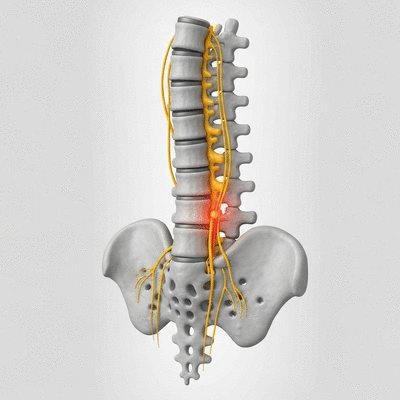
Let’s explore some of the most common age-related conditions that contribute to sciatica. By familiarizing ourselves with these conditions, we can better understand the importance of seeking timely medical advice and intervention.
Each of these conditions has its own unique implications for sciatica. For instance, degenerative disc disease is particularly common in seniors, as the natural wear and tear on the spine accumulates over the years. By understanding these conditions, we can work more effectively with healthcare providers to create a tailored management plan.
Degenerative disc disease is often a major player in age-related sciatica. As the discs lose hydration and elasticity, they can shrink and lead to increased pressure on adjacent nerves. This process can cause chronic pain and limit mobility in older adults. It’s crucial to monitor and address this condition early on for better outcomes.
For seniors experiencing symptoms, regular check-ups and imaging studies, such as MRIs, can help identify the extent of the degeneration. Knowing what to look for can lead to more effective management strategies and hopefully, a return to daily activities.
Spinal stenosis is another significant cause of sciatica in older adults. This condition occurs when the spinal canal narrows, often due to arthritic changes, leading to nerve compression. Symptoms can include tingling, numbness, and, in severe cases, leg weakness. Understanding spinal stenosis is vital, as it can significantly impact mobility and quality of life.
For many, non-surgical treatments like physical therapy and targeted exercises can provide relief and improve function. Seeking guidance from a physiotherapist can be incredibly helpful in managing this condition effectively.
Arthritis is a common condition in older adults, leading to inflammation and pain in the joints, including those in the spine. When arthritis occurs in the lumbar region, it can lead to the formation of bone spurs, which can encroach on the space around the nerves, triggering sciatica symptoms. Being aware of the relationship between arthritis and nerve pain can help in seeking timely treatment.
Regular exercise, maintaining a healthy weight, and proper posture can be beneficial strategies to mitigate the impact of arthritis on nerve health and overall mobility.
Spondylolisthesis involves one vertebra slipping forward over another, creating instability in the spine. This condition can lead to nerve compression and is often accompanied by sciatica. It’s essential for older adults to recognize the symptoms of this condition, which can include localized pain in the lower back and radiating leg pain.
Physical therapy and specific exercises can help strengthen the surrounding muscles, providing support to the spine and potentially alleviating sciatic pain.
As we age, the risk of developing herniated discs increases. A herniated disc occurs when the inner gel-like core of the disc bulges out through a tear in its outer layer, causing pressure on nearby nerves. This is a significant contributor to sciatica, leading to intense pain and discomfort.
For those experiencing symptoms, it’s important to consult with healthcare professionals for a proper diagnosis and treatment plan. Understanding the mechanics of herniated discs can empower individuals to take proactive steps in their recovery journey, whether through physical therapy or guided exercises.
In conclusion, identifying the causes of sciatica in older adults is crucial for effective management. By understanding these conditions, we can better navigate the complexities of pain management and recovery. As we delve deeper into recognizing symptoms and employing management strategies, remember that knowledge is a powerful tool in your path to relief and improved quality of life.
Here is a quick recap of the important points discussed in the article:
Stress and Sciatica: Finding Relief

Have you ever noticed how stress seems to magnify your pain? It’s a reality many face, especially
Preparing for Sciatica Surgery: Essentials
What if a simple understanding of your condition could lead to a better quality of life? For those g
Aquatic Therapy for Sciatica Recovery

Have you ever experienced the soothing relief of water enveloping you, easing tension and pain? Aqua

Stress and Sciatica: Finding Relief
Preparing for Sciatica Surgery: Essentials
Aquatic Therapy for Sciatica Recovery
Exploring Sciatica Medication Options
Ergonomic Solutions for Sciatica Relief