
Sciatica Prevalence Among Smokers
20%
of individuals with sciatica are smokers.
This significant prevalence suggests a strong link between smoking and the development or exacerbation of sciatica.

Quitting smoking can be a transformative decision for your health, especially if you're battling sciatica. As a physiotherapist, I've seen firsthand how this habit can compound pain and discomfort. Have you ever wondered how the smoke curling from a cigarette might be affecting your spinal health?
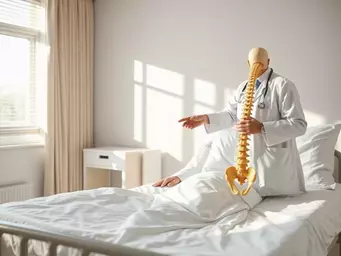
Smoking is a significant risk factor for sciatica, impacting spinal health through various mechanisms. This visual highlights key statistics and biological effects.
20%
of individuals with sciatica are smokers.
This significant prevalence suggests a strong link between smoking and the development or exacerbation of sciatica.
Nicotine's vasoconstrictive effects starve spinal tissues of vital nutrients and oxygen.
Quitting smoking is a critical step towards effective sciatica management and improving overall well-being.
At Sciatica Solutions, we often encounter questions about the relationship between smoking and sciatica. Understanding this connection is crucial, especially for those struggling with nerve pain. Sciatica, characterized by pain that radiates along the sciatic nerve, affects many individuals, and research indicates that smokers may face a higher risk of developing this condition.
Research shows that approximately 20% of individuals with sciatica are smokers. This is significant as it suggests a notable prevalence among the smoking population. But why is this the case? Let’s delve deeper into the role smoking plays in exacerbating sciatica.
Sciatica refers to pain along the sciatic nerve, which runs from the lower back down to the legs. Common symptoms include sharp pain, tingling, or numbness. For smokers, the chances of experiencing these symptoms can be amplified due to various factors associated with smoking.
Understanding these aspects can empower individuals to make informed decisions about their health. The American Journal of Medicine has highlighted the effect of smoking on the risk of sciatica, noting a significant association. Have you noticed that your sciatica symptoms worsen while smoking? This could be linked to these underlying issues, which we will explore further.

Smoking introduces a variety of harmful substances into the body, and these can have detrimental effects on spinal health. The most concerning factor is the impact of nicotine and other chemicals on circulation and nerve health.
As a physiotherapist, I’ve seen firsthand the toll that smoking can take on patients. It’s not just a habit; it can lead to serious implications for your spine and overall health. A meta-analysis published in The American Journal of Medicine confirms a direct link between smoking and an increased risk of sciatica. By recognizing these risk factors, you can take proactive steps toward a healthier lifestyle and potentially alleviate some of your pain.
Now that we’ve established the connection between smoking and sciatica, let's explore how nicotine specifically affects spinal health. Understanding these biological mechanisms can shed light on why quitting smoking can be a game-changer for those suffering from nerve pain.
In the following sections, we will discuss how nicotine leads to various complications, including issues related to blood flow, nutrient deprivation, and inflammation.
Have you ever considered how quitting smoking could change your experience with sciatica? Share your thoughts below:
As we delve into the connection between smoking and sciatica, it's crucial to understand how smoking cessation can dramatically improve your health. Quitting smoking not only benefits your lungs but also plays a significant role in relieving nerve pain and enhancing spinal health. By making this positive change, you're taking an important step toward managing your sciatica effectively.
Have you noticed how your body responds to healthier habits? Many individuals report marked improvements in their pain levels after they stop smoking. The interplay between nicotine and back health is complex, but the takeaway is clear: quitting smoking is essential for those suffering from sciatic pain.
Understanding the impact of smoking on your body is vital. For individuals dealing with sciatica, this means recognizing the adverse effects of nicotine on your spinal health. Here are some critical points to consider:
A study published in Nature Communications highlights the impact of smoking on spinal health, reinforcing the importance of cessation. By grasping these factors, you can better appreciate why making the decision to quit smoking is essential for your overall health and recovery journey from sciatica.
Now that you understand the implications of smoking on your sciatica, it's time to take action! Empowering yourself with knowledge is the first step. At Sciatica Solutions, we believe that everyone deserves to live pain-free, and quitting smoking can be a pivotal part of that journey.
So, what steps can you take to quit smoking and protect your spine? Here are some practical strategies:

Taking these steps will not only aid in your decision to quit but also enhance your overall health. Remember, the journey to quitting can be challenging, but every small step counts.
Don't hesitate to reach out to healthcare professionals for personalized advice tailored to your unique situation. They can help create a quitting plan that aligns with your current health conditions, ensuring you receive the support you need throughout your journey. With their guidance, you can navigate the challenges of smoking cessation while managing your sciatica effectively.
Finally, as you begin to experience the benefits of quitting, consider exploring alternative therapies to further alleviate your pain. Options like physical therapy, acupuncture, or guided exercise can complement your recovery from nicotine and enhance your spinal health. At Sciatica Solutions, we encourage you to take these proactive steps in your pain management journey.
What are your thoughts on quitting smoking? Have you tried any of these strategies? Sharing your experiences can help create a supportive community where we can all work toward better health together!
Here is a quick recap of the important points discussed in the article:
Stress and Sciatica: Finding Relief

Have you ever noticed how stress seems to magnify your pain? It’s a reality many face, especially
Preparing for Sciatica Surgery: Essentials
What if a simple understanding of your condition could lead to a better quality of life? For those g
Aquatic Therapy for Sciatica Recovery

Have you ever experienced the soothing relief of water enveloping you, easing tension and pain? Aqua

Stress and Sciatica: Finding Relief
Preparing for Sciatica Surgery: Essentials
Aquatic Therapy for Sciatica Recovery
Exploring Sciatica Medication Options
Ergonomic Solutions for Sciatica Relief