
How Prolonged Sitting Affects Sciatic Nerve
- • Increased pressure on the nerve
- • Tight hip flexors and glutes
- • Poor posture and spinal misalignment
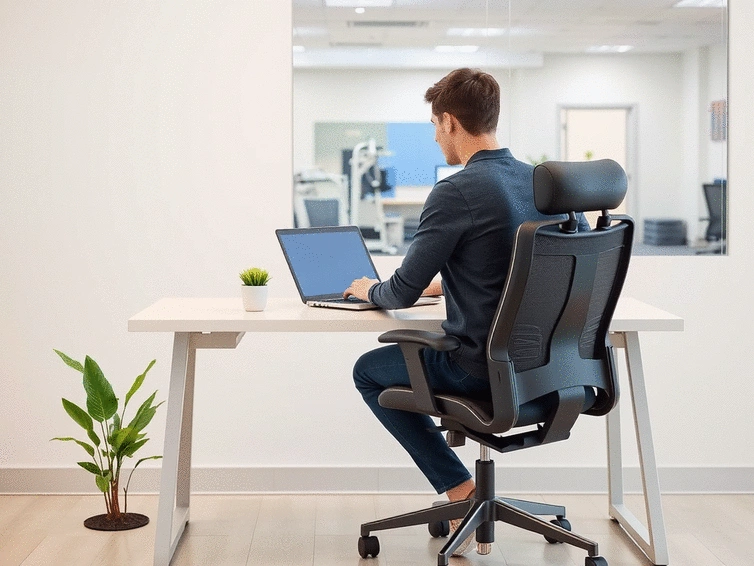
In our fast-paced, desk-bound world, many of us unknowingly contribute to our discomfort. Have you felt that sharp pain running down your leg after hours of sitting? You're alone. Understanding the link between prolonged sitting and sciatica can help you take control of your health and well-being.
Understanding the key factors contributing to sciatica from extended sitting.
Have you ever found yourself sitting at your desk for hours, only to stand up and feel a sharp pain radiating down your leg? You're not alone! Prolonged sitting can significantly impact the sciatic nerve and contribute to discomfort. As a physiotherapist, I've seen firsthand how common this issue is, especially among individuals who work in sedentary jobs. Understanding the connection between sitting and sciatica is crucial for managing and preventing pain.
When we sit for extended periods, we create an environment where our muscles and nerves can become compromised. The sciatic nerve runs from the lower back down through the legs. If this nerve gets compressed, it can lead to symptoms that range from mild to severe. So, let's explore how prolonged sitting affects this important nerve and the resulting symptoms.
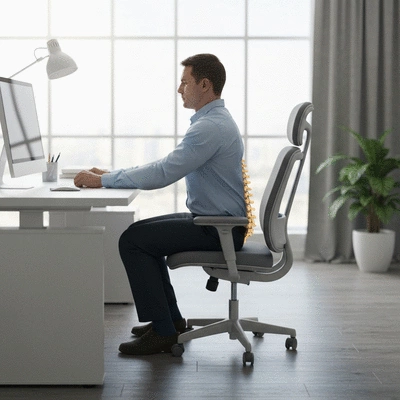
Sitting for long stretches can lead to increased pressure on the sciatic nerve due to several factors, including compression from the sitting position itself. When the body is in a seated position, especially without proper support, the weight of the upper body can press down on the lower back and pelvis, which can irritate the nerve. Moreover, tight hip flexors from prolonged sitting can pull the pelvis forward and exacerbate this compression.
It’s essential to recognize these factors so you can proactively address them, especially if you work long hours sitting at a desk or commuting.
What symptoms should you watch for if you suspect that your sitting habits are impacting your sciatic nerve? Common signs associated with sciatica, often triggered by prolonged sitting, include:
Recognizing these symptoms early can empower you to make necessary changes in your routine. If any of these resonate with you, don't hesitate to explore ways to alleviate the impact of prolonged sitting on your body!
Understanding the risks associated with prolonged sitting goes beyond just nerve compression. It's about recognizing how it can create muscle imbalances that lead to chronic pain. As someone deeply invested in helping others manage their sciatica, I often emphasize the importance of holistic approaches to pain management. Let's delve into how prolonged sitting affects our bodies in multiple ways.
Each of these factors plays a role in the development of sciatica symptoms, making it essential to address them through lifestyle changes and targeted exercises. In the next sections, we’ll explore the specifics of nerve compression and muscle imbalances, along with practical solutions to mitigate these risks while sitting.
Did you know? Incorporating short, frequent breaks into your sitting routine can greatly reduce the risk of sciatic nerve compression. Aim to stand up and stretch or walk for a few minutes every hour. This simple practice not only alleviates pressure on the sciatic nerve but also promotes better circulation and overall well-being.
Living in a world where sitting is inevitable doesn't mean you have to suffer from sciatica. Taking proactive steps can make a significant difference in managing your condition. Let's discuss how you can craft a personalized action plan that fits your lifestyle and needs.
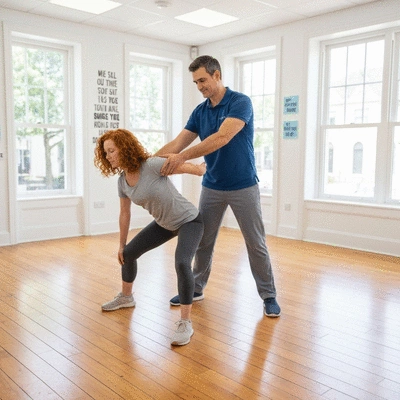
Creating a tailored action plan can empower you to tackle sciatica effectively. Here’s a simple guide to get you started:
This action plan can serve as your roadmap to recovery. Remember, every small change counts!
Sometimes, navigating your sciatica journey requires expert guidance. You might be wondering, when is the right time to reach out to a physiotherapist? Here are a few signs that it might be time:
At Sciatica Solutions, I believe that professional assistance can provide the tailored support you need to understand and manage your condition effectively. Don't hesitate to reach out!
While medication can offer temporary relief, exploring other treatment options can lead you to more sustainable solutions. Here are some effective alternatives:
Finding the right combination of treatments can help you reclaim your life from sciatic pain. Remember that every person's journey is unique, and exploring options beyond medication can lead to better long-term outcomes.
As we wrap up, it's essential to recognize that taking control of your sitting habits is pivotal in preventing and managing sciatica. By implementing the strategies discussed, you can significantly improve your comfort and quality of life.
These key takeaways can help guide your daily routines and promote a healthier approach to sitting.
Change can be challenging, but remember, you’re not alone on this journey. By taking small, gradual steps and seeking guidance when needed, you can achieve lasting relief from sciatica. I encourage you to start today and share your progress with others in our Sciatica Solutions community. Together, we can navigate this path to recovery!
Here is a quick recap of the important points discussed in the article:
Stress and Sciatica: Finding Relief
Have you ever noticed how stress seems to magnify your pain? It’s a reality many face, especially
Preparing for Sciatica Surgery: Essentials
What if a simple understanding of your condition could lead to a better quality of life? For those g
Aquatic Therapy for Sciatica Recovery

Have you ever experienced the soothing relief of water enveloping you, easing tension and pain? Aqua

Stress and Sciatica: Finding Relief
Preparing for Sciatica Surgery: Essentials
Aquatic Therapy for Sciatica Recovery
Exploring Sciatica Medication Options
Ergonomic Solutions for Sciatica Relief