Consider this: a single improper lift could lead to weeks of discomfort. Understanding the mechanisms behind sciatica can empower you to lift safely and prevent pain. Here’s what you’ll uncover about this condition and how to manage it effectively.
What You Will Learn
Heavy lifting can compress spinal discs, leading to irritation of the sciatic nerve.
Improper lifting techniques, excessive weight, and lack of breaks increase the risk of nerve compression.
Signs of sciatica include sharp pain radiating down the leg, tingling, and muscle weakness.
Weight management plays a crucial role in reducing the risk of developing sciatica.
Recognizing when to seek professional help is key to preventing long-term complications.
Implementing proper lifting techniques, including engaging your core and taking breaks, can significantly reduce sciatica risk.
How Heavy Lifting Leads to Sciatica: Mechanisms and Causes
Understanding the common causes and risk factors associated with sciatica from heavy lifting.
Mechanisms of Sciatica from Heavy Lifting
Heavy lifting often puts significant stress on the spine, leading to specific biomechanical responses that can trigger sciatica.
Spinal Disc Compression: Excessive weight bulges or herniates discs, pressing on the sciatic nerve.
Misalignments: Improper techniques can cause spinal misalignments, leading to chronic pain.
Key Contributing Factors & Symptoms
Several factors increase the risk of sciatica during heavy lifting, alongside identifiable symptoms.
Improper Lifting: Incorrect techniques, such as bending from the waist, strain the spine.
Excessive Weight: Lifting more than capable or repeatedly lifting heavy objects.
Lack of Breaks: Prolonged heavy lifting without adequate rest.
Symptoms: Sharp pain down the leg, tingling, numbness, muscle weakness.
Understanding Sciatica from Heavy Lifting: Mechanisms and Causes
Heavy lifting is often a part of our daily routines, whether at work or home. However, it can lead to a condition that many people struggle with: sciatica. Understanding how heavy lifting contributes to this pain can help us take proactive steps to avoid it. Let’s explore the mechanisms behind sciatica and what causes it.
How Heavy Lifting Leads to Sciatica: The Biomechanical Perspective
When we engage in heavy lifting, our bodies undergo significant stress, particularly on the spine. The spinal discs act as cushions between the vertebrae, allowing for movement and flexibility. However, excessive weight can lead to compression, which may irritate the sciatic nerve. When this nerve is compressed, it often results in sharp pain, tingling, or numbness that radiates down the leg.
The Role of Spinal Discs and Nerve Compression
The biomechanical forces exerted during heavy lifting can cause the spinal discs to bulge or herniate. This condition can put pressure on surrounding nerves, particularly the sciatic nerve. Understanding this relationship can help us appreciate the importance of lifting with care. Here are some factors contributing to nerve compression:
Improper lifting techniques
Excessive weight loads
Prolonged periods of heavy lifting without adequate breaks
Being mindful of these factors is crucial for preventing sciatica. The way we lift can make a significant difference in our spinal health.
Common Misalignments and Injuries from Improper Lifting
In addition to nerve compression, improper lifting techniques can lead to misalignments in the spine. These misalignments can create long-term damage and contribute to chronic pain. It’s important to recognize the signs of injury, such as:
Pain during or immediately after lifting
Difficulty moving or bending
Persistent discomfort that doesn’t subside
If you notice these signs, it’s essential to address them early. Seeking guidance from a physiotherapist can provide personalized strategies for proper lifting and recovery.
Identifying Common Sciatica Symptoms and Risk Factors
Recognizing the symptoms of sciatica is a vital step in understanding your body's signals. Many individuals may overlook these symptoms until they become debilitating. Let’s delve into the key signs that might indicate nerve compression.
Recognizing Signs of Nerve Compression and Radiculopathy
The most common symptoms associated with sciatica include:
Sharp pain that travels from the lower back down the leg
Tingling or numbness in the legs and feet
Muscle weakness in the affected leg
Identifying these symptoms early on can lead to better management and recovery. If you experience these issues, consider journaling your symptoms and activities to identify potential triggers. More information on radiculopathy, a condition often associated with sciatica, can be found through resources like the National Institutes of Health.
Understanding the Impact of Weight Management on Sciatica Risk
Weight management plays a significant role in the development of sciatica. Carrying excess weight puts additional stress on the spine, which can exacerbate any existing conditions. For example, a study published in Nature highlights the correlation between obesity and increased spinal load, contributing to conditions like sciatica. Here are some important considerations:
Maintaining a healthy body weight can reduce the risk of nerve compression.
Incorporating regular physical activity into your routine strengthens the muscles supporting the spine.
Consulting with nutritionists or fitness experts can guide you toward sustainable weight management strategies.
Taking control of your weight not only improves overall health but also significantly lowers your risk of developing sciatica. Remember, knowledge and action can empower you to manage your health effectively.
Pro Tip
When lifting heavy objects, always engage your core muscles to provide additional support to your spine. This simple adjustment can significantly reduce the risk of injury and help prevent sciatica-related pain.
Summary of Key Insights on Sciatica from Heavy Lifting
As we explore the relationship between sciatica and heavy lifting, it becomes clear that understanding prevention and early intervention is essential. Have you ever noticed how a single improper lift can lead to weeks of discomfort? It's crucial to stay informed about the mechanics of lifting and the impact it has on your body.
By recognizing the risks associated with heavy lifting, you can implement strategies that protect your spine. Whether you’re a warehouse worker or just someone who occasionally lifts heavy items at home, being proactive makes a difference. Remember, knowledge is power when it comes to managing and preventing sciatica!
Reinforcing the Importance of Prevention and Early Intervention
Preventing sciatica starts with awareness and the right techniques. Here are a few key strategies to keep in mind:
Always assess the weight of items before lifting.
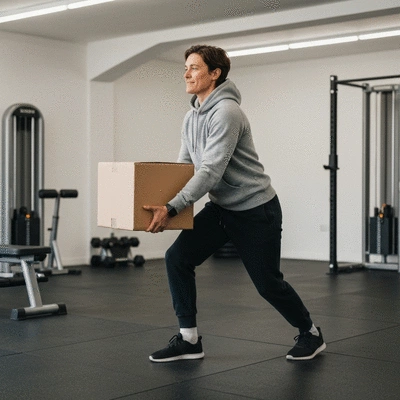
Use proper lifting techniques, keeping your back straight and bending at the knees.
Engage your core to support your spine during lifts.
Take breaks and stretch to relieve tension after heavy lifting.
These simple actions can significantly reduce your risk of developing sciatica. At Sciatica Solutions, we emphasize the importance of early intervention. If you feel any discomfort, don’t wait—address it quickly!
Knowing When to Seek Professional Help: Getting Ahead of Sciatica
It's vital to recognize when to reach out for professional assistance. Here are some signs that indicate it might be time to consult a healthcare provider:
Persistent pain that lasts more than a few days.
Symptoms that worsen over time rather than improve.
Numbness or weakness in the legs.
Difficulty controlling your bladder or bowels.
Understanding these warning signs can help you get ahead of potential complications. As a physiotherapist with over a decade of experience, I often see patients who wait too long to seek help. Don’t let discomfort linger—early intervention can lead to better outcomes! For more detailed information on sciatica symptoms and treatment options, you can refer to trusted sources like UF Health.
Frequently Asked Questions About Sciatica and Heavy Lifting
Here are some common questions about sciatica, its causes, and management, based on the information discussed in this article:
Q1: How does heavy lifting cause sciatica?
A1: Heavy lifting can cause sciatica by placing significant stress on the spine, leading to spinal disc compression or herniation. This pressure on the sciatic nerve can result in pain, tingling, and numbness.
Q2: What are the main risk factors for developing sciatica from lifting?
A2: Key risk factors include improper lifting techniques (e.g., bending from the waist), attempting to lift excessive weight, and prolonged periods of heavy lifting without adequate rest.
Q3: What are the common symptoms of sciatica?
A3: Common symptoms include a sharp pain radiating from the lower back down the leg, tingling or numbness in the legs and feet, and muscle weakness in the affected leg.
Q4: How does weight management impact the risk of sciatica?
A4: Carrying excess weight puts additional stress on the spine, increasing the risk of nerve compression and exacerbating existing conditions. Maintaining a healthy weight helps reduce this stress and strengthens supporting muscles.
Q5: When should I seek professional help for sciatica?
A5: You should seek professional help if you experience persistent pain lasting more than a few days, worsening symptoms, numbness or weakness in the legs, or difficulty controlling your bladder or bowels.
Q6: What are some effective prevention strategies for sciatica when lifting?
A6: Prevention strategies include assessing weight before lifting, using proper techniques (bending knees, keeping back straight), engaging core muscles, and taking breaks with stretches.
Call to Action: Engaging with Resources and Support Networks
Now that you have a better understanding of sciatica, it’s time to take proactive steps towards your health. Engaging with the right resources can make all the difference in your recovery journey!
Utilizing Online Tools for Risk Assessments and Ergonomic Evaluations
Have you considered using online tools to assess your lifting techniques? They can help identify risks and improve your posture. Here are some resources to explore:
Interactive lifting technique tutorials.
Online risk assessment questionnaires.
Guides on ergonomic workspaces.
These tools can empower you to make informed decisions about your lifting practices.
Connecting with Health Professionals for Personalized Guidance
If you’re feeling uncertain about your symptoms or treatment options, don’t hesitate to connect with health professionals. Here’s how:
Schedule a consultation with a physiotherapist.
Ask about tailored exercise plans for your specific needs.
Inquire about pain management strategies that fit your lifestyle.
At Sciatica Solutions, we're dedicated to providing personalized guidance, helping you navigate your recovery effectively.
Participating in Support Groups for Chronic Pain Management
Lastly, consider joining support groups where you can share experiences and gain insights from others facing similar challenges. Benefits of these groups include:
Building a community of support.
Learning coping strategies from peers.
Receiving encouragement during tough times.
Connecting with others can be incredibly healing! Remember, you don’t have to face sciatica alone—there’s a community ready to support you. Together, we can strive towards effective management and recovery!
Recap of Key Points
Here is a quick recap of the important points discussed in the article:
Heavy lifting can lead to sciatica by causing compression of the sciatic nerve.
Improper lifting techniques, excessive weight, and prolonged lifting without breaks can contribute to nerve compression.
Signs of sciatica include sharp pain down the leg, tingling, and muscle weakness.
Maintaining a healthy weight and engaging in regular physical activity can reduce sciatica risk.
Using proper lifting techniques and taking breaks are essential for prevention.
Consulting with healthcare professionals early can lead to better management of symptoms.
At Sciatica Solutions, we empower individuals suffering from sciatica. Our mission is to provide clear, accessible, and physiotherapist-reviewed information to help you understand your condition and discover effective relief strategies. We aim to equip you with the knowledge to regain your quality of life.






Stress and Sciatica: Finding Relief
Preparing for Sciatica Surgery: Essentials
Aquatic Therapy for Sciatica Recovery
Exploring Sciatica Medication Options
Ergonomic Solutions for Sciatica Relief