
Increased Mechanical Load
Excess weight strains the lumbar spine, leading to spinal misalignments and accelerated disc degeneration, increasing the risk of herniation.
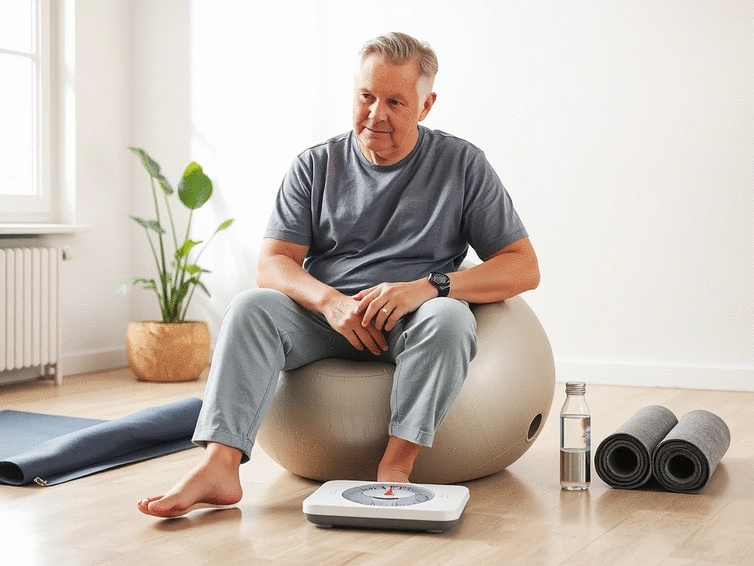
Statistics show that over 40% of adults in the U.S. are affected by obesity, a condition that can significantly impact spinal health and contribute to sciatica. Understanding this connection is crucial for managing pain effectively.
This visual highlights the three primary ways obesity contributes to sciatica, covering mechanical stress, inflammation, and nerve compression.
Excess weight strains the lumbar spine, leading to spinal misalignments and accelerated disc degeneration, increasing the risk of herniation.
Adipose tissue releases inflammatory cytokines, irritating nerves and exacerbating pain levels associated with sciatica.
Increased pressure on the spinal column from excess weight can lead to herniated discs or spinal stenosis, compressing the sciatic nerve.
As a physiotherapist with over a decade of experience, I often see the profound impact that obesity can have on conditions like sciatica. It's not just a matter of extra weight; the mechanics of how your body functions can be significantly compromised. The increased mechanical load on the spine due to excess weight can put you at a higher risk for developing sciatic pain. Understanding this connection is vital for anyone dealing with sciatica.
When extra weight is carried, it can strain your spine and the surrounding structures. This can lead to chronic discomfort and nerve pain, making it essential to explore effective weight management strategies. The Centers for Disease Control and Prevention (CDC) reports that over 40% of U.S. adults live with obesity, highlighting the widespread nature of this health challenge. In my practice at Sciatica Solutions, I encourage patients to be aware of how their body weight affects their condition as part of their recovery journey.

The relationship between obesity and sciatica is multifaceted. As the body's weight increases, so does the pressure placed on the lumbar spine, leading to increased risk of injury or nerve impingement. Here are some key points to consider:
By understanding how excess weight impacts your spine, you can take proactive steps to manage your health. This knowledge empowers patients to make informed decisions about weight loss and sciatica management.
Another critical aspect to consider is the role of chronic inflammation. Adipose tissue, or fat, is not just a passive storage area; it is a hormonally active tissue that can contribute to ongoing inflammation in the body. This inflammation can exacerbate nerve pain associated with sciatica. Studies published in the American Journal of Epidemiology have explored the link between obesity and chronic low back pain, often related to inflammatory processes. Here’s how:
By recognizing the role of chronic inflammation, we can better understand the importance of managing body weight as a critical component in alleviating sciatica symptoms.
Excess weight can also lead to nerve compression, which is a significant factor in sciatica. When there is increased pressure on the spinal column, it can lead to herniated discs or spinal stenosis, both of which can irritate the sciatic nerve. Research, such as that published by the National Center for Biotechnology Information (NCBI), highlights the impact of increased mechanical stress from obesity on spinal structures. Here are some key points to consider:
Recognizing how nerve compression contributes to sciatica is vital. By managing weight effectively, we can alleviate pressure on the nerves and promote better spinal health.
Taking control of your weight is crucial when it comes to managing sciatica. With the right strategies and commitment, you can make significant improvements to your condition!

Did you know? Regular physical activity not only aids in weight management but also promotes better spinal health. Incorporating low-impact exercises, such as swimming or walking, can significantly reduce the strain on your back and alleviate sciatica symptoms. Aim for at least 150 minutes of moderate aerobic activity each week to improve your overall well-being!
Understanding the connection between obesity and sciatica is crucial for anyone dealing with nerve pain. Excess weight not only increases mechanical stress on the spine but also contributes to chronic inflammation, which can exacerbate symptoms. By recognizing these links, we empower ourselves to take action towards better health.
Here are some key takeaways regarding how obesity impacts sciatica:
Addressing weight issues can enhance the overall quality of life for those suffering from sciatica. Remember, every small step counts in the journey toward relief!
Now that we’ve explored the impact of obesity on sciatica, it’s time to take action! Implementing effective strategies can lead to meaningful improvements in your health. Consulting with healthcare providers is essential for personalized advice tailored to your unique situation.
Consider these actionable steps to get started:
By taking these steps, you can pave the way for better management of your sciatica and overall health. Remember, you’re not alone on this journey. We at Sciatica Solutions are here to support you every step of the way!
As you embark on this journey toward weight management and sciatica relief, it’s important to know that resources are available to assist you. Engaging with community support can provide motivation and accountability. Here are some great resources to consider:
Connecting with these resources can be a game-changer. Together, we can foster a community of support and empowerment as we navigate the path to relief from sciatica. Don’t hesitate to reach out for help—you deserve it!
Here is a quick recap of the important points discussed in the article:
Stress and Sciatica: Finding Relief

Have you ever noticed how stress seems to magnify your pain? It’s a reality many face, especially
Preparing for Sciatica Surgery: Essentials
What if a simple understanding of your condition could lead to a better quality of life? For those g
Aquatic Therapy for Sciatica Recovery

Have you ever experienced the soothing relief of water enveloping you, easing tension and pain? Aqua

Stress and Sciatica: Finding Relief
Preparing for Sciatica Surgery: Essentials
Aquatic Therapy for Sciatica Recovery
Exploring Sciatica Medication Options
Ergonomic Solutions for Sciatica Relief